A fast-moving offer can make a house feel like a sure thing. Then the inspection reveals an active roof leak, an aging electrical panel, concealed moisture below a bathroom, or an HVAC system near the end of its service life. A St Louis buyer home inspection gives you the information needed to see beyond clean staging, fresh paint, and a favorable first impression before you make one of the largest financial commitments of your life.
The purpose is not to make a home look perfect. Few properties are perfect, including recently built homes. The purpose is to identify visible concerns, explain their likely significance, document the condition clearly, and help you distinguish routine ownership items from issues that may affect your budget, safety, or willingness to proceed.
What a St Louis Buyer Home Inspection Covers
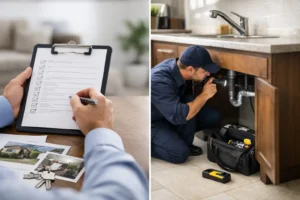
A comprehensive buyer inspection evaluates the home’s readily accessible systems and components on the day of the appointment. The inspector examines the roof covering, exterior surfaces, drainage conditions, attic, interior rooms, plumbing fixtures, electrical components, heating and cooling equipment, fireplaces where applicable, visible foundation areas, and more.
The value is in how those observations are connected. A stained ceiling may be old discoloration, but it may also point to an unresolved roof or plumbing leak. Cracking near openings can be cosmetic, or it may warrant closer evaluation when paired with doors that bind, uneven floors, or signs of ongoing movement. A qualified inspector does not guess from one isolated detail. They evaluate patterns, accessible evidence, and the condition of related components.
Missouri homes often require particular attention to water management. Seasonal rain, clay soils, freeze-thaw cycles, and older construction can all contribute to drainage concerns, moisture intrusion, basement dampness, and deterioration around exterior materials. That does not mean every older home has a serious problem. It does mean the exterior grade, gutters, downspout discharge, roof drainage, and lower-level conditions deserve careful review.
A buyer inspection is visual and noninvasive. Walls, ceilings, floors, and finished surfaces are not opened, and inspectors do not move furniture, stored belongings, or personal property. This limitation is honest and necessary. Even so, advanced methods such as thermal imaging and moisture detection can help identify conditions that are not obvious at a glance, including temperature irregularities and elevated moisture in accessible areas.
The Findings That Matter Most Before Closing
Inspection reports can contain a mix of maintenance recommendations, deferred repairs, safety concerns, and conditions that call for further evaluation. The number of items on a report is less important than their potential impact.
Safety concerns should receive prompt attention. Examples can include exposed wiring, missing protective features at electrical outlets, improper combustion venting, damaged steps or handrails, or a water heater installation with unsafe conditions. These findings are not simply report language. They may affect how safely the home can be occupied from day one.
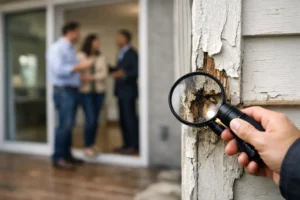
Water is another priority because small leaks can become expensive when left unresolved. An inspector may identify active plumbing leaks, evidence of past moisture, deteriorated sealant around exterior openings, poor drainage, or roof conditions that increase the likelihood of water entry. The report should explain where the concern was observed and provide useful visual documentation, not merely label it as a problem.
Major system age and condition also matter. A furnace or air conditioner can still operate during an inspection while being near the end of its expected service life. The same is true of water heaters, roof coverings, and electrical equipment. A buyer needs context: Is the item functioning now? Are there visible defects? Is replacement planning reasonable in the near term? Clear reporting helps turn that information into a realistic ownership budget.
Why Experience and Documentation Change the Outcome
A good inspection is more than a walkthrough and a checklist. It requires methodical observation, sound judgment, and reporting that supports a real decision. The inspector should be able to separate a minor maintenance item from a condition that could justify obtaining repair estimates, requesting additional evaluation, or reconsidering the purchase.
High-resolution photographs are especially valuable after the inspection. Buyers cannot retain every detail from a two- or three-hour appointment, particularly when they are also processing financing, moving plans, and contract deadlines. Photos allow you to revisit the condition, discuss it with your agent, and communicate accurately with contractors when estimates are needed.
Report timing matters, too. Inspection contingencies are often short, and delays can leave buyers with little time to evaluate findings. Archer Professional Inspections provides detailed reports within 24 hours, giving buyers organized documentation while their negotiation and due-diligence windows are still active. A timely report should remain thorough, with clear descriptions, images, and practical recommendations rather than vague statements that create more uncertainty.
Using the Inspection Report Without Overreacting
No inspection report should be treated as a repair demand list. Every home, including a well-maintained one, will have maintenance needs. Caulk ages, filters need replacing, grading may need adjustment, and older components eventually require attention. Those items are part of ownership, not necessarily a reason to abandon a sound purchase.
The more useful approach is to sort findings by urgency, cost exposure, and the need for additional expertise. Immediate safety issues and active water entry usually rise to the top. Conditions involving major systems, repeated moisture indicators, or evidence of significant movement may justify a specialist’s opinion or contractor estimate before the inspection period ends. Smaller maintenance items can often become part of your first-year home care plan.
Your real estate agent can help you understand contract options, but the inspection itself should remain an objective assessment of the property’s visible condition. A precise report gives you a factual basis for conversations about repairs, credits, pricing, or timing. It also protects you from making decisions based solely on verbal assurances that a concern is “probably nothing.”
There is a trade-off in every negotiation. Asking a seller to address every minor item can distract from the conditions that truly affect safety, performance, and long-term cost. On the other hand, overlooking a documented defect because the house otherwise feels right can leave you facing an avoidable expense soon after closing. The inspection report helps keep that balance grounded in evidence.
How to Prepare for the Inspection Appointment
If possible, attend the inspection. Being present allows you to see conditions in context and ask questions while the inspector is at the relevant area of the home. You do not need technical knowledge. Ask which findings should be handled first, what regular maintenance would help prevent future issues, and whether any condition needs further evaluation before closing.
Bring the listing information, seller disclosures, and any known repair records if they are available. These documents do not replace an inspection, but they can provide useful background. If the seller reports a prior roof repair, plumbing issue, or water event, the inspector can pay close attention to the related accessible areas.
Avoid expecting a seller to have every closet, attic access point, electrical panel, or utility area perfectly clear. However, access limitations should be documented because an obscured component cannot be fully evaluated. If a key area is inaccessible, ask whether a return visit or additional review is appropriate once access is available.
A Clearer Way to Make a High-Stakes Decision
The best buyer inspection does not tell you whether to buy a home. That decision depends on the property’s condition, your budget, your plans for the home, and your tolerance for repairs or renovation. What it should do is replace uncertainty with usable information.
Before you remove an inspection contingency or finalize negotiations, give the report the attention it deserves. Read the findings, review the photographs, ask for clarification where needed, and focus first on the conditions that could affect safety, moisture control, major system costs, or your ability to enjoy the home as planned. Confidence at closing is not about finding a house with no defects. It is about understanding the home you are choosing and moving forward with your eyes open.