After a fire, the visible damage is only part of the story. A fire loss investigation provides an organized record of what the property experienced, what conditions may affect repair decisions, and what evidence should be preserved before cleanup changes the scene.
For homeowners, building owners, insurers, attorneys, and property managers, the stakes can be significant. Fire, heat, smoke, water, and firefighting activity can affect materials far beyond the room where flames were first seen. A careful investigation turns a confusing loss event into documented findings that support informed next steps.
Why Fire Damage Requires More Than a Visual Walk-Through
A fire-damaged property can look straightforward at first glance: charred finishes, smoke staining, wet materials, and damaged contents. Yet similar visible conditions can result from very different fire behaviors. Heat may travel through concealed cavities, smoke can migrate through mechanical systems, and water used during suppression can create secondary moisture concerns well after the fire is out.
An initial walk-through may identify obvious safety concerns, but it does not necessarily establish the full scope of damage. Materials that appear intact can have been exposed to heat, soot, corrosive residues, or moisture. Conversely, not every discolored surface requires the same repair approach. The purpose of an investigation is to distinguish observed conditions from assumptions and document the basis for each conclusion.
That distinction matters when repair budgets, insurance claims, ownership disputes, or legal questions are involved. Clear evidence gives decision-makers something more reliable than estimates based only on surface appearance.
What a Fire Loss Investigation Examines
The scope of a fire loss investigation depends on the property, the extent of the loss, the questions being asked, and whether the site remains safe to enter. A thorough assessment typically considers the fire-affected area as well as adjacent and connected spaces that may have been exposed to heat, smoke, water, or fire suppression chemicals.
Burn Patterns and Heat Effects
Investigators document areas of charring, melting, spalling, soot deposition, and heat-related distortion. These conditions can help establish the direction and intensity of fire effects within accessible areas. Burn patterns must be interpreted carefully, however. Ventilation changes, firefighting activity, collapsed materials, and post-fire cleanup can alter the scene.
For that reason, conclusions should be tied to documented observations, photographs, measurements, and the known history of the event. A credible report explains what was observed and identifies where further specialty testing or analysis may be appropriate.
Smoke and Soot Migration
Smoke does not remain neatly contained. It can move through open doors, wall cavities, ductwork, attic spaces, and gaps around piping or wiring. Fine soot particles may be present in rooms that show little obvious fire damage, particularly where air movement carried combustion byproducts.
Documenting the extent of smoke impact can support cleaning and restoration planning. It also helps property owners understand why affected materials may need closer evaluation even when they were not directly burned.
Water Intrusion and Moisture Conditions
Fire suppression often introduces substantial water into a building within a short period. Standing water may be obvious, but moisture can also remain in wall assemblies, floor systems, insulation, cabinetry, and finish materials. If those conditions are not identified early, drying delays can increase the extent of secondary damage.
Moisture detection tools, thermal imaging, and visual documentation can help identify areas that warrant further review. Thermal imaging is not a moisture meter and should not be treated as one, but it can help reveal temperature differences that guide targeted moisture testing.
Material Condition and Repair Scope
A fire loss investigation may document the condition of framing, finishes, roofing components, electrical equipment, plumbing systems, mechanical equipment, and other accessible building elements. The goal is not simply to label items as damaged or undamaged. It is to describe the observed condition, explain the likely significance, and provide practical direction for repair planning or additional evaluation.
Some materials may be cleaned or restored. Others may require removal because of charring, heat exposure, persistent odor, moisture deterioration, or contamination. The appropriate path depends on the material, its location, the severity of exposure, applicable requirements, and the recommendations of qualified restoration professionals.
Documentation Is Often the Most Valuable Deliverable
Conditions change quickly after a fire. Debris removal, emergency drying, demolition, weather exposure, and repairs can eliminate evidence that was present on the first day. That is why timely, high-quality documentation matters.
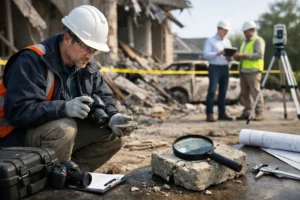
A useful report should organize observations in a way that allows a reader to understand the property without having been there. High-resolution photographs should be tied to locations and descriptions. Findings should distinguish between confirmed conditions, reported history, and items that could not be evaluated because of safety concerns, restricted access, or damaged components.
For insurance and legal matters, precision is especially important. Overstated conclusions can create as many problems as vague ones. A well-prepared investigation report stays within the evidence, identifies limitations plainly, and notes where laboratory analysis, code review, electrical examination, or other specialty expertise is needed.
When to Request a Fire Loss Investigation
The best time to arrange an investigation is generally before extensive cleanup or demolition begins, once the site is safe and access is authorized. In practice, emergency mitigation cannot always wait. When drying or debris removal must begin immediately, detailed photographs, inventories, and condition records should be created first whenever possible.
A formal investigation can be particularly helpful when the loss involves a disputed scope of damage, a significant commercial property, multiple affected units, uncertain smoke migration, recurring moisture concerns, or questions about the condition of building components after exposure. It may also support owners who need a clear basis for repair planning before committing to a contractor’s proposed scope.
For a residential property, the need may be simpler but no less important. A homeowner may need to know whether smoke reached the attic, whether water affected lower-level finishes, or whether damaged systems should be evaluated before the home is occupied again. The right scope should match the decisions at hand.
What Property Owners Should Do Before Cleanup Begins
Safety comes first. Do not enter a fire-damaged building until the appropriate authorities or qualified professionals have confirmed that entry is permitted. Avoid moving debris, operating affected equipment, or disturbing suspected origin areas unless necessary to prevent further loss or address an immediate hazard.
If access is allowed, preserve records. Save fire reports, photographs taken immediately after the event, repair proposals, mitigation records, and communications regarding the loss. Make note of timelines: when the fire was discovered, when suppression occurred, when utilities were shut off, and when drying or cleanup began. These details can become meaningful when evaluating conditions later.
It is also wise to clarify the purpose of the investigation at the outset. Are you seeking documentation for an insurance claim, repair planning, a dispute, future sale disclosure, or litigation support? The question determines the needed scope, level of detail, and specialists who may need to be involved.
Choosing an Investigation Professional
Fire damage assessments require methodical field work and disciplined reporting. Look for a professional who explains the inspection scope before work begins, uses appropriate diagnostic tools, documents limitations, and provides findings in language that both technical and non-technical readers can use.
Fast reporting is valuable, but speed should not replace accuracy. The strongest reports connect photographs, observations, and recommendations in a logical format, allowing owners, insurers, contractors, and counsel to evaluate the same facts from a common record.
Archer Professional Inspections approaches damage-related property evaluations with that focus: careful on-site observation, high-resolution documentation, and practical reporting designed to support the next decision rather than add uncertainty.
A fire can force difficult choices quickly. Preserving the evidence and obtaining a clear assessment early gives those choices a firmer foundation – whether the next step is emergency mitigation, repair planning, an insurance discussion, or protecting the long-term value of the property.