A buyer is ready to close, an investor wants a clearer picture of future repair costs, or an owner needs documentation before budgeting capital work. That is usually when the question comes up: property condition report vs inspection. The two are related, but they are not interchangeable, and choosing the wrong one can leave major gaps in the information you need.
For residential buyers, a standard property inspection is often the right fit because it is built around identifying visible defects, safety concerns, and performance issues at the time of the visit. For commercial owners, investors, lenders, and managers, a property condition report often serves a different purpose. It is designed to evaluate the current condition of a building in a way that supports due diligence, repair forecasting, negotiations, and ongoing planning.
The difference matters because the report you order shapes the decisions you can make afterward. If your goal is to understand whether a home has immediate problems, an inspection may be enough. If your goal is to understand short-term and long-term building needs, likely capital expenses, and documentation for stakeholders, a property condition report is usually the stronger tool.
Property condition report vs inspection: the core difference
The simplest way to understand property condition report vs inspection is to look at the outcome each service is meant to deliver.
An inspection is typically a condition snapshot focused on observed issues. It tells you what appears to be wrong, what may need repair, and where further evaluation may be warranted. In a residential transaction, that can be exactly what a buyer or seller needs. The inspection is practical, immediate, and centered on helping a client make a near-term decision.
A property condition report goes further into documentation and planning. It still involves an on-site assessment, but the final report is usually broader in scope and more decision-oriented for commercial use. It may include observations about major building systems, deferred maintenance, expected replacement timing, and cost considerations that help owners or investors prepare for what comes next.
That does not mean one is better than the other in every case. It means each one answers a different business question.
What a standard property inspection is meant to do
A property inspection is generally used when someone wants a professional, objective evaluation of the visible condition of a property at the time of the visit. In residential settings, this often happens during a purchase, before listing a home for sale, or when a homeowner wants to identify problems before they become more expensive.
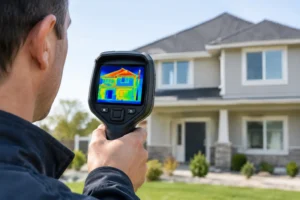
The inspection process usually focuses on readily accessible components and systems. That includes roofing, exterior elements, interior areas, plumbing, electrical, HVAC, insulation, ventilation, and signs of moisture intrusion or material deterioration. Advanced tools such as thermal imaging or moisture detection may be used when conditions warrant and when they can provide better insight into hidden concerns.
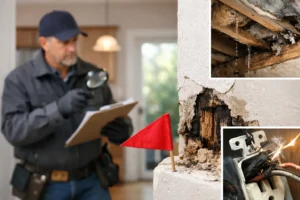
The report that follows is typically written for action. It identifies defects, explains why they matter, and helps the client prioritize repairs or negotiate next steps. For a homebuyer, that can mean understanding whether a property has water damage, aging equipment, drainage issues, or installation defects that were not obvious during a showing.
This type of inspection is especially valuable when timing matters and the decision is straightforward: proceed, renegotiate, request repairs, or walk away.
What a property condition report is meant to do
A property condition report is often used in commercial real estate, portfolio review, facility planning, and higher-level due diligence. The goal is not only to identify current deficiencies, but also to document overall building condition in a format that supports budgeting, ownership decisions, and risk management.
That broader purpose changes both the scope and the reporting style. A property condition report may review site features, exterior envelopes, roofing, life-safety elements, mechanical systems, electrical distribution, plumbing, interiors, and general maintenance conditions with a stronger emphasis on remaining useful life and anticipated repair or replacement needs.
For an investor evaluating a retail center, office building, warehouse, or multifamily asset, that context is essential. Knowing that an HVAC unit is operational today is helpful. Knowing that several units are near the end of their expected service life and may require significant capital spending in the next few years is far more useful for underwriting and negotiation.
That is why commercial clients often prefer a property condition report when they need a document that can be shared with partners, lenders, asset managers, or legal and insurance teams. It is less about a punch-list mentality and more about creating an informed decision framework.
The biggest differences in scope and reporting
The overlap between these services can make them sound almost identical, but the reporting depth and intended use are usually where the separation becomes clear.
A standard inspection is often narrower and more immediate. It documents observed conditions and defects in a way that helps a client respond quickly. A property condition report is usually more formalized and may include repair tables, probable cost opinions, and timelines for near-term and longer-term improvements.
Audience also matters. Residential inspections are commonly written for buyers, sellers, and homeowners who need clear explanations without excessive technical language. Property condition reports are often prepared for business stakeholders who need plain language, but also require a higher level of asset-focused detail.
There is also a practical difference in how the findings are used. Inspection findings often drive repair requests or maintenance priorities. Property condition reports often support acquisition analysis, reserve planning, lease considerations, insurance documentation, or internal capital planning.
When an inspection is the better choice
If you are buying a home, listing one, or maintaining a property you already own, a standard inspection is usually the right starting point. It gives you a focused review of visible conditions and helps you spot concerns that could affect safety, function, or cost.
It is also the better fit when you need quick clarity instead of a long-range asset management document. Many clients do not need projected replacement schedules or cost forecasting. They need to know what is wrong now, what needs prompt attention, and what deserves monitoring.
This is also true for many smaller buildings where the decision path is simple. If the purpose is to understand condition before a transaction or repair decision, a well-executed inspection with thorough documentation can provide exactly the right level of detail.
When a property condition report makes more sense
A property condition report is usually the stronger choice when the property is commercial, the stakeholders are multiple, or the financial planning horizon extends beyond the next repair. Investors, property managers, institutions, and business owners often need more than defect identification. They need context.
That context includes the overall condition of major systems, evidence of deferred maintenance, likely future expenditures, and organized reporting that can support board review, underwriting, or portfolio management. In these cases, the extra detail is not a luxury. It is part of responsible due diligence.
It can also be the right option when the property is operationally complex. A larger building with multiple systems, extensive site improvements, or tenant-related concerns often requires a report format that does more than document deficiencies. It needs to help decision-makers understand financial exposure and timing.
Why the wrong choice creates problems
Ordering an inspection when you really need a property condition report can leave you with information that is accurate, but incomplete for your purpose. You may know what defects exist without having the cost framework or planning detail needed to evaluate the asset properly.
The reverse can also happen. Some clients request a more extensive report when a standard inspection would have answered the real question faster and more efficiently. That can add time, cost, and unnecessary complexity.
The best choice starts with the decision you are trying to make. Are you trying to evaluate a purchase, document current issues, estimate future capital needs, or create a record for multiple stakeholders? Once that purpose is clear, the right service usually becomes clear too.
How to choose with confidence
If you are still weighing property condition report vs inspection, start by defining the property type, the transaction stage, and who will rely on the report. A homebuyer under contract needs something different from a commercial investor reviewing a nationwide acquisition. A homeowner planning maintenance needs something different from a property manager building next year’s capital budget.
The strongest inspection firms will not force every client into the same service. They will ask what decision you need to make, explain the scope in plain language, and recommend the reporting format that fits the job. That clarity matters just as much as technical skill.
At Archer Professional Inspections, that approach is central to the process: thorough fieldwork, clear reporting, and practical recommendations that help clients move forward without guesswork.
When the stakes involve real money, long-term ownership, or transaction risk, the best report is the one built for the decision in front of you.