A roof can look fine from the ground and still be one storm away from a costly problem. That is why a roof condition assessment guide matters. Whether you are buying a home, managing a facility, planning capital repairs, or documenting damage for insurance review, the goal is the same – understand the roof’s actual condition before small issues become expensive ones.
A reliable assessment is not just a glance at shingles or a note about age. It is a documented evaluation of materials, installation quality, visible deterioration, moisture risk, drainage performance, and signs that the roof system may be nearing the end of its useful life. For residential owners, that supports smarter negotiations and maintenance planning. For commercial stakeholders, it supports budgeting, due diligence, and risk control.
What a roof condition assessment guide should help you answer
The best roof condition assessment guide is built around decisions, not checkboxes. You want clear answers to practical questions. Is the roof performing as intended today? Are there active leaks or evidence of moisture intrusion? Are defects isolated and repairable, or do they point to broader wear? Is replacement urgent, likely in the near term, or still years away with proper maintenance?
Those answers depend on more than roofing material alone. A newer roof can still have serious issues if flashing was installed poorly or drainage was overlooked. An older roof may continue to perform adequately if it has been maintained well and defects are limited. Age matters, but condition matters more.
How a roof assessment is typically performed
A sound evaluation starts with observation and documentation. The inspector reviews the roof covering, penetrations, flashings, drainage components, visible surface wear, and any evidence of patching or prior repairs. Interior clues are also important. Water staining, active leaks, damp insulation, or elevated moisture readings can reveal problems that are not obvious on the exterior.
For many properties, especially larger or more complex buildings, the assessment also considers the full context of the roof system. That includes slope, ponding tendencies, rooftop equipment, traffic wear, edge details, and transitions between materials. On residential properties, attention often centers on shingles, vents, chimneys, valleys, gutters, and attic moisture patterns.
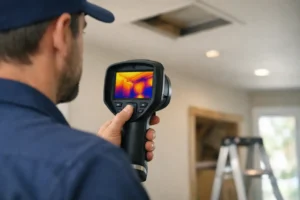
Advanced tools can make a significant difference. Thermal imaging may help identify temperature anomalies associated with trapped moisture. Moisture detection tools can help confirm whether staining is old or part of an active issue. High-resolution photographs support accurate reporting and give owners a visual record they can use for planning, claims, or contractor discussions.
Key signs of roof deterioration
Most roof problems do not begin with dramatic failure. They begin with manageable conditions that are easy to miss if no one is looking closely. On steep-slope roofs, common signs include curling, cracking, granule loss, exposed fasteners, damaged flashing, displaced shingles, and soft areas caused by prolonged moisture exposure. Sealant failure around penetrations can also allow water entry long before a leak becomes visible indoors.
On low-slope commercial roofs, the warning signs are different but just as important. Membrane punctures, open seams, blisters, surface erosion, failed terminations, clogged drains, and standing water all deserve attention. Repeated patching in multiple locations may suggest the roof is moving from repair stage into replacement planning.
Drainage deserves special focus in any roof condition assessment guide. Water that does not leave the roof efficiently will shorten service life. Even durable roofing materials can deteriorate faster when ponding water, debris buildup, or blocked drainage creates ongoing exposure.
Why leaks are only part of the story
Many owners wait to act until there is an active leak. That is understandable, but it is rarely the most cost-effective approach. By the time water reaches an interior ceiling, damage may already involve insulation, decking, interior finishes, or mechanical areas. In commercial settings, leaks can also disrupt operations, inventory, tenant spaces, or sensitive equipment.
A roof assessment looks beyond obvious water entry. It identifies vulnerable conditions before they become interior damage. That is especially valuable during real estate transactions or annual maintenance reviews, when the goal is to avoid unpleasant surprises after closing or during budget season.
Roof age versus remaining service life
One of the most common questions owners ask is simple: How much life is left? The honest answer is that it depends. Roofing materials have typical life ranges, but actual performance is shaped by installation quality, weather exposure, maintenance history, ventilation, foot traffic, drainage, and previous repairs.
That is why a professional assessment should avoid giving false precision. A roof is not a machine with a predictable expiration date. It is a weather-exposed system with many variables. The more useful approach is to estimate current condition, identify risk level, and outline whether routine maintenance, targeted repair, major repair, or replacement is the most reasonable next step.
A roof condition assessment guide for buyers and investors
If you are purchasing property, the roof deserves close scrutiny because it can affect both immediate costs and long-term risk. A visually acceptable roof may still have deferred maintenance, concealed moisture concerns, or workmanship issues that change the economics of the deal. That does not always mean walk away. It may mean negotiate repairs, request credits, adjust reserves, or plan replacement sooner than expected.
For commercial buyers and portfolio investors, documentation matters as much as the observation itself. Clear reports, photo evidence, and practical recommendations allow acquisition teams and asset managers to make decisions quickly. They also provide support when comparing contractor bids or prioritizing post-close work.
When repair makes sense and when replacement is the smarter call
Not every defect requires replacement. If issues are limited, the roofing material still has useful life, and moisture intrusion has not spread widely, repair can be the right move. Targeted flashing corrections, localized membrane repairs, sealant renewal, or replacement of damaged sections may restore performance at a reasonable cost.
Replacement becomes more likely when defects are widespread, recurring leaks continue despite repairs, the roof covering has advanced wear, or patchwork has become the norm. At that point, spending more on isolated fixes may only delay a larger project while increasing risk. A careful assessment helps separate roofs that need attention from roofs that are truly at the end of practical service.
What good reporting should include
A roof assessment is only as useful as the report that follows. Owners and decision-makers need more than a list of defects. They need organized findings, clear photographs, risk context, and recommendations they can act on.
A strong report should explain what was observed, where it was observed, how serious it appears, and what the likely next step should be. It should distinguish between maintenance items, repair needs, and conditions that warrant prompt action. If the roof could not be fully viewed because of access or safety limitations, that should be stated clearly. Precision builds trust.
This is where firms such as Archer Professional Inspections stand out for many clients. Technical depth matters, but so does the ability to turn field observations into practical, decision-ready reporting without burying the reader in jargon.
When to schedule an assessment
Timing can change the value of the assessment. Before purchase is an obvious one, but not the only one. It also makes sense after major storms, before warranty periods expire, when leaks begin recurring, before listing a property for sale, or when building owners need budget forecasting for the next few years.
For commercial properties, periodic assessments can support maintenance plans and capital planning. For homeowners, an evaluation every few years – or sooner after severe weather – can catch developing issues while they are still manageable. Waiting until damage is visible indoors usually means fewer options and higher cost.
The value of a measured, evidence-based approach
Roof decisions often come with pressure. Buyers want answers before closing. Owners want to avoid overspending. Property managers need documentation they can defend. A measured assessment helps remove guesswork from that process.
The right roof condition assessment guide does not promise a one-size-fits-all answer. It gives you a framework for understanding condition, recognizing risk, and choosing the next step based on evidence. When the roof protects everything beneath it, clarity is not a luxury. It is part of responsible property ownership.
If you are facing a roof question and the stakes are high, the most useful next move is not a quick opinion from the ground. It is a documented assessment that tells you what is happening now, what may happen next, and what to do about it.