A property inspection vs walkthrough comparison often comes down to one critical question: are you trying to understand the building’s condition, or confirm that agreed-upon items are complete? Both visits matter, but they serve different purposes, happen at different points in a transaction, and produce very different evidence for decision-making.
Confusing the two can leave a buyer, seller, investor, or property manager with the wrong expectations. A walkthrough is generally a final visual check. A professional inspection is a systematic evaluation designed to identify visible concerns, document conditions, and help stakeholders understand where further attention, repair, maintenance, or investigation may be needed.
Property Inspection vs Walkthrough: The Core Difference
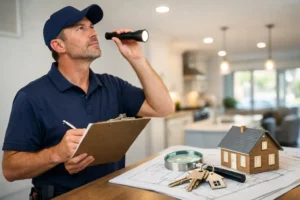
A property inspection is a detailed, professional assessment of a property’s accessible systems and components. The inspector evaluates observable conditions using professional methods, documents relevant findings, and delivers a report that explains what was found and why it may matter. Depending on the scope of work, this may include roofing, exterior components, interiors, electrical systems, plumbing, heating and cooling equipment, insulation, moisture indicators, site conditions, and more.
A walkthrough, often called a final walkthrough in a real estate transaction, is typically completed shortly before closing. It is not intended to be a new inspection. Instead, it gives the buyer an opportunity to verify that the property is in the expected condition, that included items remain in place, and that negotiated repairs or seller obligations appear to have been addressed.
The distinction matters because a walkthrough is usually brief and visual. It does not involve the same testing, documentation, diagnostic tools, or professional analysis as an inspection. A property can look clean and move-in ready during a walkthrough while still having moisture concerns, aging equipment, electrical issues, or other conditions that deserve closer review.
What a Professional Property Inspection Is Designed to Do
A professional inspection helps reduce uncertainty before a purchase, sale, maintenance decision, or commercial acquisition. The purpose is not to predict every future repair or guarantee that no issue exists. It is to provide a thorough assessment of conditions visible and accessible on the inspection date, with clear documentation that supports an informed next step.
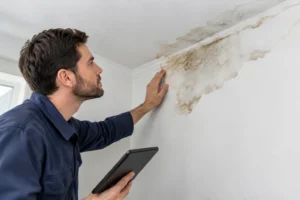
For a homebuyer, that may mean understanding whether a roof is near the end of its useful life, whether water staining warrants further evaluation, or whether an electrical panel has safety concerns. For a seller, an inspection can identify issues early enough to address them before listing or to set realistic expectations. For a commercial client, an evaluation can support due diligence, budgeting, maintenance planning, insurance discussions, or lease and acquisition decisions.
A strong inspection report does more than list defects. It organizes findings by significance, includes high-resolution photographs, and uses plain language to explain practical implications. When appropriate, it can also identify where a qualified specialist should evaluate a concern further. That clarity is particularly valuable when decisions involve deadlines, large investments, or multiple stakeholders.
Inspection methods go beyond a visual pass-through
An inspector may use tools and methods that are not part of a standard walkthrough. Thermal imaging can help identify temperature anomalies that may point to insulation gaps, moisture patterns, or equipment concerns. Moisture detection tools can help evaluate suspicious staining or materials that appear damp. Operational testing of accessible fixtures, outlets, appliances, and equipment can reveal conditions that are not obvious from appearance alone.
These methods do not make a building problem-free, and they are not a substitute for specialized testing when it is needed. They do, however, provide a more informed starting point than a quick visual review. The result is documented evidence that helps clients prioritize questions, negotiations, repairs, and future planning.
What Happens During a Final Walkthrough
The final walkthrough usually occurs within 24 hours of closing, although the timing depends on the contract. Buyers commonly attend with their real estate agent. The goal is to confirm that the property has not materially changed since the offer and that the seller has met applicable obligations.
During a walkthrough, buyers may check that agreed-upon appliances are present, personal property has been removed, and repair receipts or invoices are available if requested. They may turn on lights, run faucets, flush toilets, open doors and windows, and confirm that major equipment appears to be in place. If the home was vacant for several days, they may also look for new leaks, damage, or signs that utilities were disconnected.
This is useful, but it has limits. A final walkthrough is not the time to evaluate the age and condition of every system or to discover issues that should have been investigated during the inspection period. It is best viewed as a confirmation step, not a replacement for due diligence.
When a Walkthrough Reveals Something New
A buyer should take a new concern seriously if the property is damaged, a negotiated repair appears incomplete, included property is missing, or conditions have changed since the inspection. Examples include a new water leak, an inoperable heating or cooling system, fresh damage from a move-out, or evidence that a repair was performed poorly.
The appropriate response depends on the transaction terms and the nature of the concern. The buyer’s agent, attorney, lender, and other relevant professionals can help determine the next step. In some cases, the best action is to request documentation, obtain a repair estimate, or delay closing until a material issue is resolved.
If the concern is technical or difficult to evaluate visually, a focused professional assessment may be warranted. A walkthrough can identify that something appears wrong. An inspection or targeted evaluation is what helps clarify the condition, supporting evidence, and potential implications.
Why Timing Changes the Value of Each Service
A property inspection is most valuable early enough to influence a decision. For buyers, that generally means scheduling it promptly after a contract is accepted, while inspection contingencies and negotiation windows remain open. Commercial investors should build adequate assessment time into their due diligence period, especially for larger or older properties where repair planning can affect pricing and capital reserves.
A walkthrough takes place later, when the transaction is near completion. By then, the primary question is not usually, “What condition is this property in?” It is, “Is this property being delivered as expected?” That narrower purpose is why a walkthrough should not be relied upon to identify hidden or developing concerns.
For owners who are not buying or selling, the same principle applies. A routine walkthrough of a building can help spot obvious changes, such as staining, damaged finishes, or equipment that is no longer operating normally. Periodic professional inspections add a deeper level of assessment and documentation for maintenance planning, insurance files, and asset management.
How to Use Both Without Duplicating Effort
The most effective approach is to treat the inspection and walkthrough as connected but separate steps. First, obtain a thorough inspection report. Read it carefully, review the photos, and ask questions while there is time to act. If repairs are negotiated, request clear information about what will be completed and retain related documentation.
At the final walkthrough, bring the inspection report and repair agreement. Focus on the items that were supposed to be addressed, along with any visible changes since your last visit. Check that the property is vacant or otherwise delivered according to the agreement, and verify that the systems and items you can reasonably test are functioning as expected.
For complex properties or high-value transactions, it may make sense to schedule a reinspection of specific negotiated repairs. This is more focused than repeating the entire inspection and can provide useful confirmation when work quality, safety, or documentation is a concern.
The Documentation Difference Matters
One of the clearest differences between a property inspection and a walkthrough is the record created afterward. A walkthrough may result in personal notes, photos, or a conversation with an agent. A professional inspection produces organized reporting intended to support decisions and provide a reliable record of observed conditions.
That record can be useful well beyond a transaction. It can help a new owner prioritize maintenance, explain concerns to contractors, establish a baseline condition, or support conversations involving insurers and other professionals. For commercial stakeholders, detailed reporting also helps translate field observations into capital planning and operational decisions.
Archer Professional Inspections approaches this work with the level of detail high-stakes property decisions require: careful on-site assessment, visual documentation, and clear reporting designed to make the next step easier to understand.
A final walkthrough can give you confidence that the property is being delivered as agreed. A professional inspection gives you a clearer picture of what you are actually taking on. Use each at the right time, and you will be far better prepared to move forward with confidence.