A property inspection can go smoothly or get bogged down by simple access problems, missing documentation, and preventable delays. If you are wondering how to prepare for inspection, the goal is not to make the property look perfect. It is to make the property fully accessible, clearly documented, and safe for a thorough evaluation.
That distinction matters. An inspection is not a housekeeping test, and it is not a pass-fail event based on cosmetic appearance. Whether you are a home seller, buyer, homeowner, investor, or property manager, preparation helps the inspector see the property as it actually is. Better visibility leads to better reporting, fewer follow-up questions, and faster decision-making.
What preparation actually does
Good preparation removes barriers. Locked utility rooms, blocked attic hatches, stored items piled against panels, and missing maintenance records can all slow the process and limit what can be observed. In residential work, that can create stress during a transaction. In commercial settings, it can affect planning, budgeting, and timelines for repairs or negotiations.
Preparation also improves the quality of the final report. When an inspector can access all major systems and document conditions clearly, the findings are more complete and more useful. That is especially important when the inspection will inform a purchase decision, maintenance planning, insurance matters, or a dispute over property conditions.
How to prepare for inspection before the appointment
Start with access. The inspector should be able to reach all major areas of the property without delay. That includes electrical panels, HVAC equipment, water heaters, sinks, crawl spaces, attics, roof access points where applicable, garages, utility rooms, and outbuildings included in the scope. If furniture, storage, inventory, or equipment blocks these areas, move it before the appointment.
Utilities should be on unless the inspection company has advised otherwise. Water, electricity, and fuel services allow systems and fixtures to be operated and observed under normal conditions. If a property is vacant, verify service status in advance instead of assuming everything is active.
Pets should be secured. This is partly about safety and partly about efficiency. Even friendly animals can interfere with the inspection process, distract occupants, or restrict room-to-room movement.
If the property has gates, lockboxes, alarm systems, or restricted access areas, provide the necessary codes or instructions ahead of time. On commercial properties, notify on-site staff and tenants if common areas, mechanical spaces, or suites need to be entered. A well-coordinated visit saves time and avoids partial access.
Clean matters less than clear access
Many owners over-focus on presentation. A clean property is helpful, but the inspector is there to evaluate condition, not decor. What matters more is clear access and visible components.
For example, a spotless garage with boxes stacked in front of the electrical panel is less helpful than an ordinary garage with the panel fully accessible. The same goes for under-sink areas, furnace closets, attic entries, and basement walls. If an area can be opened, reached, and viewed safely, the inspection is more productive.
That said, basic tidiness still helps. It reduces trip hazards, speeds up movement through the property, and makes it easier to document findings with clear photos. In a commercial setting, orderly access can also reduce disruption to daily operations.
Documents worth gathering
If you have records, make them available. This is one of the most overlooked ways to prepare for inspection, and it can add real value.
Useful documents may include recent repair invoices, maintenance logs, roof work records, HVAC service receipts, appliance installation dates, warranty information, prior inspection reports, permits, and any documentation related to water intrusion, fire damage, or major upgrades. For commercial properties, capital improvement histories, service contracts, tenant responsibility details, and known issue logs can also be relevant.
These records do not replace the inspection. They provide context. An inspector still evaluates current visible conditions, but documentation can clarify timelines, confirm reported work, and support more informed recommendations.
If you do not have records, that is not unusual. Simply be honest about what is known and unknown. Accurate information is always better than assumptions.
Preparing occupied homes and active buildings
Occupied properties require a little more coordination. If you live in the home, plan for the inspector to open doors, test fixtures, operate windows, run appliances within scope, and move through every accessible room. If you work on-site at a commercial property, expect a similar need for uninterrupted access to key building components.
Try to avoid overlapping the inspection with other service appointments, contractor visits, or moving-day activity. Too many people on-site can create delays and make it harder to document conditions carefully.
For sellers, it helps to communicate clearly with your agent and occupants about timing and access expectations. For property managers, it helps to notify tenants or staff in advance so there are no surprises when inspection personnel need entry to specific areas. Small coordination steps often prevent the biggest day-of problems.
What not to do before an inspection
Do not try to hide defects with quick cosmetic fixes. Fresh paint over a stain, strategically placed storage, or temporary odor masking may raise more questions, not fewer. A professional inspection is meant to identify conditions accurately, and surface-level coverups rarely help.
Do not shut off utilities because the property is vacant or to reduce short-term costs. If systems cannot be operated, the inspection may be limited, delayed, or require a return visit.
Do not assume new construction, recent renovations, or newer equipment eliminate the need for preparation. Newer properties can still have installation issues, moisture concerns, incomplete work, or areas that need closer review. Access and documentation still matter.
Finally, do not wait until the inspector arrives to mention known concerns that affect safety or access. If there has been a leak, electrical issue, fire event, or area that requires special entry procedures, disclose that beforehand.
A practical checklist for inspection day
On the day of the inspection, keep the process simple. Make sure doors, gates, and access points can be opened. Confirm utilities are active. Replace any burnt-out bulbs in key areas if practical, since lighting can affect visibility. Unlock electrical panels, attics, crawl space entries, garages, and utility rooms. Clear sinks, tubs, and appliances that need to be operated. Secure pets and share alarm or entry instructions.
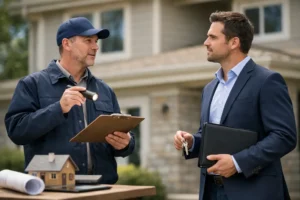
If someone will be meeting the inspector, be on time. If no one will be present, confirm access details in writing beforehand. In larger commercial buildings, identify a point of contact who can answer operational questions and help with restricted spaces if needed.
These are not complicated steps, but they directly affect how efficiently the inspection can be completed.
If you are the buyer rather than the owner
Buyers often ask what they can do when the property is not theirs to prepare. The answer is coordination. Confirm with your agent or the seller that all utilities will be on and that the inspector will have access to every part of the property included in the inspection. If there are detached buildings, roof access considerations, or tenant-occupied spaces, raise those questions early.
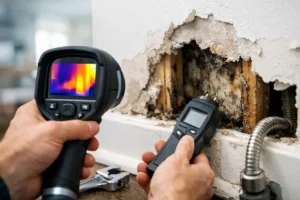
It also helps to think ahead about your priorities. If you have specific concerns about moisture, prior damage, deferred maintenance, or building performance, mention them when scheduling. A detailed inspection process, especially one supported by tools such as thermal imaging or moisture detection when appropriate, is most effective when known concerns are shared in advance.
Preparation reduces uncertainty, not findings
One important point is worth keeping in mind. Good preparation does not guarantee a shorter report or fewer issues. It increases the accuracy of what is found. That is a benefit, even when the findings are not what you hoped for.
A complete inspection gives you usable information. It helps buyers make informed decisions, helps sellers avoid surprises late in a transaction, helps owners plan repairs more intelligently, and helps commercial stakeholders evaluate costs and risk with better documentation. Firms such as Archer Professional Inspections build their process around that kind of clarity because the report is only as useful as the access and evidence behind it.
If you approach preparation with that mindset, the process becomes much less stressful. You are not trying to stage perfection. You are making it easier to see the property clearly, and that is what supports confident next steps.