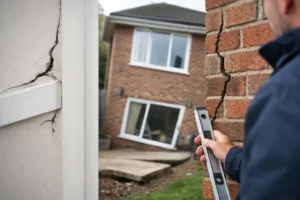
A property can look well maintained while critical systems are nearing the end of their useful life. A polished lobby, fresh paint, or recently staged home does not reveal a concealed plumbing leak, aging electrical components, roof drainage failures, or an HVAC unit operating beyond its expected service window. This building systems evaluation guide explains how a disciplined assessment turns those unknowns into documented, decision-ready information.
For a buyer, that information can influence negotiations and contingency decisions. For an owner or property manager, it provides a clearer basis for maintenance budgets and repair priorities. For investors, lenders, insurers, and legal teams, it creates a reliable record of observed conditions at a particular point in time.
What a Building Systems Evaluation Should Accomplish
A building systems evaluation is more than a walk-through and a list of visible defects. Its purpose is to assess the condition, apparent performance, and risk profile of the major components that allow a property to function safely and reliably.
The scope should match the decision at hand. A residential buyer may need a comprehensive pre-purchase inspection that identifies material defects and safety concerns. A commercial acquisition may call for a more extensive property condition assessment with estimated repair horizons, deferred maintenance observations, and documentation suited to due diligence. A moisture intrusion claim or recurring damage concern may require targeted investigation using diagnostic tools.
The strongest evaluations answer practical questions: What is wrong now? What requires prompt attention? What can be planned for later? What evidence supports the finding? And where should a qualified trade professional provide further review or repair?
A report that merely labels items “good” or “bad” leaves too much interpretation to the client. Useful reporting distinguishes between immediate concerns, maintenance needs, observed limitations, and items that should be monitored as conditions change.
Start With a Clear Scope and Property History
No two properties have identical risks. Before the site visit, an evaluator should establish the building type, age, occupancy, recent renovations, known repair history, and the client’s intended use of the report. A 1920s residence, a newly renovated retail space, and a multi-tenant office building require different levels of attention and documentation.
Available records can be valuable context. Maintenance logs, prior inspection reports, repair invoices, permits, warranty information, utility data, and roof service records may reveal recurring concerns or recent improvements. Records do not replace field observation, but they can help separate an isolated issue from a pattern of deferred care.
Scope also sets realistic expectations. An evaluation is generally visual and noninvasive unless the assignment specifically calls for additional testing or investigation. Finished walls, inaccessible attic areas, locked rooms, underground lines, and concealed components can limit what can be observed. A precise report states those limitations clearly rather than implying certainty where none exists.
Evaluate the Systems That Drive Property Risk
A sound evaluation considers how systems perform individually and how one issue can affect another. For example, poor site drainage can contribute to moisture conditions at lower-level walls. A roof drainage problem may damage exterior finishes, insulation, ceilings, and electrical fixtures below. The goal is not to create alarm. It is to identify the source, extent, and likely consequences of observed conditions.
Exterior, Roof, and Water Management
Water is one of the most common sources of expensive property damage. The evaluation should examine roof coverings where safely accessible or visible, flashing, penetrations, gutters, downspouts, drainage paths, exterior cladding, windows, doors, sealants, and grading near the building.
Age alone does not determine whether a roof or exterior assembly needs replacement. Installation quality, exposure, maintenance history, drainage performance, and prior repairs matter. Still, signs such as missing materials, open seams, deteriorated sealant, staining, damaged finishes, or water entry at interior areas warrant careful documentation.
Thermal imaging and moisture detection can add value when conditions support their use. These tools can help identify temperature anomalies or elevated moisture patterns that may not be apparent to the eye. They are diagnostic aids, not stand-alone proof of a specific defect, so findings should be correlated with visual observations and, when appropriate, further evaluation.
Plumbing and Interior Moisture Conditions
Plumbing observations should address visible supply piping, drain lines, fixtures, water heating equipment, shutoff access, signs of leakage, corrosion, inadequate support, and moisture damage around wet areas. Water pressure, fixture operation, and drainage performance can also provide useful clues.
Small leaks deserve attention because they rarely remain small indefinitely. Cabinet staining, softened finishes, deteriorated caulk, musty odors, and discoloration around ceilings or baseboards may indicate active or previous moisture exposure. The evaluator should document whether the condition appears active, historic, or undetermined based on available evidence.
For commercial properties, the review may also include visible plumbing serving tenant spaces, restrooms, mechanical rooms, kitchens, and common areas. Access matters. A responsible report identifies which areas were available for inspection and which were not.
Electrical Systems and Safety Indicators
Electrical findings require careful, plain-language reporting because the stakes can be high. An assessment commonly considers service equipment, panel labeling, visible conductor conditions, grounding and bonding indicators, protective devices, receptacles, lighting, and accessible junction boxes.
The report should avoid overstating what a visual assessment can determine. It can identify observed safety concerns, apparent installation deficiencies, damage, and conditions that warrant correction by a licensed electrician. It cannot certify every concealed connection or predict future failures.
Older properties often contain components that remain in service but may not align with current expectations for safety, capacity, or convenience. The relevant question is not simply whether a system is old. It is whether observed conditions create a current concern, limit the property’s intended use, or justify upgrades during planned work.
Heating, Cooling, and Ventilation
Heating and cooling equipment should be evaluated for visible condition, accessible installation features, apparent operation at the time of inspection, distribution components, condensate management, and age-related planning considerations. The assessment should also note conditions that can affect comfort and equipment longevity, such as dirty filters, damaged insulation, restricted airflow, or improper drainage.
A system can operate during an inspection and still be approaching replacement. Conversely, a newer unit may have installation or maintenance issues. This is why equipment age, observed performance, service history, and visible condition should be considered together.
Ventilation is equally relevant. Inadequate exhaust at bathrooms, kitchens, attics, or equipment areas can contribute to moisture accumulation, odor concerns, and material deterioration. The appropriate remedy depends on the building design and the source of the issue.
Turn Observations Into Repair Priorities
The best report is organized around decisions, not just defects. Prioritization helps clients act without treating every observation as equally urgent.
Items requiring prompt action typically involve active water entry, exposed electrical hazards, significant safety concerns, failed essential equipment, or conditions likely to worsen quickly. Near-term repairs may not require an emergency response but should be addressed before they cause broader damage or disrupt occupancy. Maintenance items can often be planned as part of normal ownership, while monitoring items should be revisited at regular intervals or after severe weather.
Cost estimates require caution. Repair pricing varies by market, access, material availability, building use, permits, and the extent of concealed damage. When a repair could be substantial, the most reliable next step is usually obtaining proposals from qualified contractors who can inspect the affected area in greater detail.
For commercial stakeholders, a useful evaluation may group needs by immediate, short-term, and longer-range capital planning windows. That framework supports budgeting without creating false precision around costs or remaining service life.
Documentation Is Part of the Evaluation
A clear report protects the value of the inspection. High-resolution photographs, concise descriptions, locations, observed limitations, and practical recommendations allow clients to understand the issue without being present during every part of the assessment.
Good documentation also reduces confusion after the fact. A photo of staining is more useful when it identifies the room, surface, likely source area, and whether moisture was detected at the time of inspection. A note about an electrical concern is more actionable when it identifies the panel or device location and explains why professional correction is recommended.
Timely delivery matters, especially during a real estate transaction or active due diligence period. Fast reporting should never mean rushed reporting. The objective is a complete, readable record that gives decision-makers time to ask informed questions and obtain appropriate repair input.
When a Standard Evaluation Needs More Investigation
Some conditions cannot be resolved through a visual assessment alone. Recurrent leaks, unexplained staining, odors, settlement symptoms, disputed damage, repeated equipment failures, or hidden moisture concerns may justify a more focused investigation.
This is where advanced methods and a carefully defined scope are especially valuable. Moisture meters, thermal imaging, targeted testing, detailed photo documentation, and a review of repair history can help narrow the cause and document the condition. The level of investigation should be proportional to the stakes. A minor cosmetic issue does not always justify extensive testing, while an active water problem in an occupied commercial property may require prompt, documented follow-up.
Archer Professional Inspections approaches these evaluations with the same goal clients bring to the property decision: clear evidence, practical priorities, and reporting that supports the next step. Whether the property is a home, retail space, office, or larger commercial asset, the right assessment replaces assumptions with a usable plan.
A careful evaluation does not promise that a property will never need repairs. It gives you something more useful: a well-documented view of what deserves attention now, what can be planned responsibly, and what questions should be answered before you commit.