A commercial building can look stable on a tour and still carry expensive problems behind finished walls, above ceilings, or inside aging systems. That is why a commercial property assessment guide matters before a purchase, lease commitment, capital plan, or major repair decision. The right assessment does more than point out defects. It helps owners, investors, and managers understand condition, timing, cost exposure, and what deserves attention now versus later.
For commercial real estate, surface impressions are rarely enough. A clean lobby does not tell you whether the roof is near the end of its service life. A recently painted corridor does not confirm moisture issues have been resolved. A seller’s maintenance file may be helpful, but it does not replace an independent, on-site evaluation with clear documentation.
What a commercial property assessment actually covers
A commercial property assessment is a professional evaluation of a building’s visible condition and performance, focused on helping decision-makers understand risk and plan intelligently. The scope can vary depending on property type, age, occupancy, and the reason for the inspection, but the goal is consistent: provide reliable information that supports action.
In most cases, the assessment looks at major building components and how they are functioning at the time of the inspection. That often includes roofing, exterior elements, site drainage, parking areas, doors and windows, interior finishes, electrical systems, plumbing, heating and cooling equipment, life-safety features, and signs of water intrusion or deferred maintenance. Depending on the assignment, the work may also include thermal imaging, moisture detection, or more focused investigation of areas showing distress.
The best reports do not overwhelm clients with raw observations. They organize findings by priority, explain why an issue matters, and give practical direction on what should be repaired, monitored, budgeted, or reviewed further.
When to use this commercial property assessment guide
Most people think about an assessment only during a sale, but that is just one use case. Buyers need independent information before closing. Investors may need condition data to validate underwriting assumptions. Property managers often use assessments to support reserve planning and maintenance timing. Lenders, insurers, and legal teams may also need documented findings when condition, damage, or responsibility is in question.
There is also a major difference between a property that is occupied and performing well today, and a property that will remain cost-effective over the next three to five years. A thorough assessment helps bridge that gap. It shows not only what is wrong now, but what may be aging out, undermaintained, or likely to create budget pressure soon.
That forward-looking value is often where the inspection pays for itself. A buyer may negotiate repairs or pricing. An owner may avoid reactive emergency work. A manager may be able to phase improvements instead of being forced into rushed replacements.
What to expect during the assessment process
A strong assessment starts before anyone steps on site. The inspector should understand the property type, size, occupancy, known concerns, and the client’s reason for ordering the evaluation. A retail center, industrial facility, office building, and multi-tenant mixed-use property each create different priorities. The inspection process should reflect that.
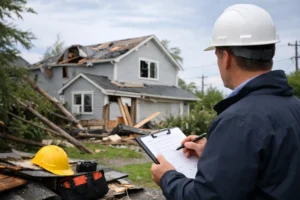
On site, the work is systematic. Common areas, accessible building systems, exterior conditions, roofs, utility spaces, and representative interior areas are reviewed in an organized sequence. The inspector is not there to generate drama or fill pages with technical jargon. The goal is accurate fieldwork, careful documentation, and useful interpretation.
This is also where experience matters. A knowledgeable inspector knows the difference between cosmetic wear and a pattern that points to active moisture entry, improper drainage, electrical concerns, or equipment nearing failure. Tools such as thermal imaging and moisture detection can add important context, especially when conditions are not obvious to the naked eye.
After the site visit, the report should translate field observations into decisions. That means photographs that clearly show conditions, explanations in plain language, and findings grouped in a way that helps owners and stakeholders respond efficiently. Fast delivery matters, but speed only helps if the report is organized and dependable.
The biggest issues a commercial property assessment guide should help you catch
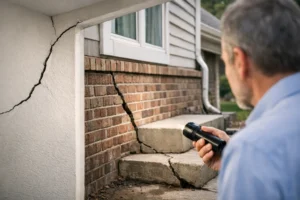
Deferred maintenance is one of the most common and costly patterns in commercial buildings. It often starts small – damaged sealant, minor leaks, poor drainage, worn roofing details, or aging equipment that still runs but no longer performs efficiently. Left alone, these conditions tend to expand into wider damage, tenant disruption, and more expensive repair scopes.
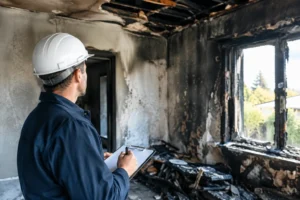
Moisture is another major concern. Water intrusion does not always announce itself with a ceiling stain in the middle of a room. It may show up as subtle finish damage, odor, insulation issues, hidden deterioration, or recurring repairs that never seem to solve the real source. This is one reason advanced diagnostic methods can be so valuable in commercial inspections.
Electrical and mechanical systems also deserve close attention. A system can be operating during the inspection and still raise planning concerns based on age, condition, installation quality, or signs of inconsistent maintenance. For owners and investors, that distinction matters. Operational today does not necessarily mean low-risk tomorrow.
Life-safety items, accessibility concerns, and site conditions should not be treated as side notes. Parking lot deterioration, trip hazards, door issues, lighting concerns, and drainage problems can all affect tenant experience, liability exposure, and maintenance costs.
How to read the report without getting lost in the details
A good report should help you prioritize, not paralyze you. Start with the items that affect safety, active water entry, major system reliability, or immediate business interruption risk. Then review conditions that may not require urgent correction but should be planned into upcoming budgets.
It also helps to separate three categories in your mind. First are immediate concerns that need prompt action. Second are short-term capital items that may not be failing today but are approaching the point where replacement or substantial repair should be expected. Third are monitor-and-maintain items, where the right response is observation and routine service rather than immediate spending.
Context is everything. A twenty-year-old roof on a warehouse may be a larger financial factor than worn finishes in office suites. An older rooftop unit serving a critical tenant area may deserve more attention than cosmetic exterior wear. The report should help you weigh those realities in the order they actually affect operations and cost.
Choosing the right scope for your property
Not every commercial assessment needs the same level of investigation. A limited inspection for a small owner-occupied building is different from a property condition report for a multi-site investor or a damage-focused evaluation tied to an insurance or legal matter. The right scope depends on the decision being made.
If you are acquiring a property, broad condition visibility is usually the priority. If you already own the building and are dealing with recurring leaks, interior damage, or disputed causes, a more targeted investigative approach may be appropriate. If you manage several locations, consistency in reporting format can be just as important as technical depth because it makes budgeting and portfolio comparison much easier.
This is where experienced firms stand apart. They do not force every assignment into the same checklist. They adjust the level of detail to the client’s risk, timeline, and use case while keeping reporting clear enough for both technical and non-technical stakeholders.
Why independence and clarity matter as much as technical skill
Commercial property decisions often involve multiple parties with different incentives. Sellers want deals to move. Tenants want disruptions minimized. Contractors may focus on the repair they were hired to perform, not the bigger condition picture. An independent assessment gives clients a neutral baseline.
Clarity matters just as much. If a report is technically correct but difficult to interpret, it slows decisions and creates room for confusion. The most effective commercial inspection reporting combines precise observations with direct language, strong visual documentation, and practical recommendations. That is what allows an investor, property manager, attorney, or lender to use the information with confidence.
For many clients, the ideal assessment is one that reduces uncertainty quickly. Firms such as Archer Professional Inspections build value by combining thorough fieldwork, advanced diagnostic methods, and reporting that tells clients what was found, why it matters, and what to do next.
A commercial property assessment guide is most useful when it changes how you approach risk. Instead of asking whether a building looks acceptable, ask whether its current condition supports your timeline, your budget, and your obligations. That is the question that leads to better property decisions.