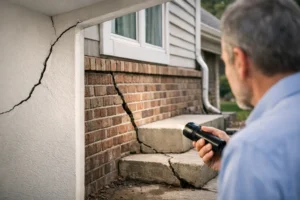
A home inspection is not a pass-or-fail test, and it should never leave you with a vague list of concerns and no sense of what to do next. It is a professional evaluation of the property’s visible, accessible condition at a specific point in time. For a buyer, that information can shape negotiations and future repair planning. For a seller or homeowner, it can reveal issues worth addressing before they become more expensive or disruptive.
The real value is not simply finding defects. It is understanding which findings need prompt attention, which items require monitoring, and which are normal maintenance matters. A useful inspection report puts every observation in context so you can make decisions based on evidence rather than assumptions.
What a Home Inspection Covers
A thorough inspection generally examines the home’s major visible and accessible components. This commonly includes the roof covering, exterior, foundation, grading, attic, interior rooms, plumbing, electrical system, heating and cooling equipment, insulation, ventilation, fireplaces, and built-in appliances where applicable.
The inspector assesses condition, looks for signs of active or past moisture intrusion, notes safety concerns, and identifies components that appear to be near the end of their typical service life. Advanced tools can add clarity when conditions warrant them. Thermal imaging may reveal temperature patterns associated with missing insulation, moisture, or electrical concerns, while moisture detection can help distinguish a cosmetic stain from an area that may need further evaluation.
Scope matters. An inspection is visual and noninvasive. Inspectors do not open finished walls, move heavy furniture, dismantle equipment, or predict exactly when a component will fail. They also do not replace specialty evaluations for items outside the inspection scope, such as environmental testing, sewer-line evaluation, or detailed analysis by a qualified trade professional. A careful report makes those boundaries clear instead of implying certainty where none exists.
Why the Report Matters as Much as the Visit
The inspection appointment provides an opportunity to see the property through a trained, objective lens. The report is what allows that information to guide the next conversation with an agent, seller, contractor, lender, insurer, or property manager.
A decision-ready report should be organized, readable, and supported by high-resolution photographs. Each finding should identify the location, describe the observed condition, explain why it matters, and recommend an appropriate next step. “Repair as needed” is rarely enough. A stronger recommendation identifies whether the issue calls for prompt correction, routine maintenance, monitoring, or evaluation by a qualified specialist.
Speed is valuable, but clarity is more valuable. Receiving a detailed report within 24 hours can keep a transaction moving without forcing you to sort through unclear language under deadline pressure. Archer Professional Inspections focuses on this practical balance: comprehensive documentation, plain-language explanations, and recommendations designed to support real property decisions.
How to Read Home Inspection Findings
Not every item in an inspection report deserves the same level of urgency. Homes, including newly built homes, have imperfections. The goal is to separate meaningful risk from ordinary upkeep.
Safety concerns and active damage
Items involving electrical hazards, combustion concerns, unsafe stairs or railings, active leaks, or significant water intrusion should receive early attention. These conditions can affect occupant safety, lead to ongoing damage, or create complications during a sale. Depending on the issue, prompt repair or evaluation may be appropriate before closing.
Major systems nearing the end of service life
An aging roof, HVAC system, water heater, or electrical panel is not automatically a deal breaker. Age alone does not establish failure. However, when age, visible wear, limited performance, or repair history point in the same direction, the report should help you plan for likely replacement costs and timing.
This is where context changes the decision. A well-maintained older system may be reasonable to live with for several years. A newer system showing poor installation, moisture exposure, or repeated repairs may deserve more immediate attention.
Maintenance and deferred care
Many reports identify conditions that are manageable but should not be ignored: deteriorated exterior sealant, clogged gutters, missing caulk, loose fixtures, insufficient grading, or filters that need replacement. Individually, these items may be modest. Left unattended, they can contribute to moisture problems, reduced efficiency, or premature wear.
A good report does not treat every maintenance item as an emergency. It gives owners a sensible work list and helps buyers see where the home may need time and investment after closing.
Questions Worth Asking After the Inspection
A report should prompt useful questions, not create confusion. Start by asking what needs action first, what can wait, and what conditions require further evaluation before a deadline expires. If a recommendation is unclear, ask the inspector to explain the observation in plain language and describe the potential consequence of doing nothing.
When obtaining repair estimates, give contractors the relevant report pages and photographs. They can provide more informed feedback when they understand the observed condition and location. Still, remember that an inspector’s role and a contractor’s role are different. The inspection identifies visible conditions and risks; the contractor determines repair methods, pricing, and whether concealed conditions become apparent during the work.
For buyers, it also helps to consider the property as a whole. A long report does not necessarily mean a poor home. Larger or older properties naturally have more components, more maintenance needs, and more documented observations. The more important question is whether the findings reveal a pattern of neglect, immediate safety concerns, or expenses that no longer fit your budget or plans.
When Sellers and Homeowners Should Schedule an Inspection
Home inspections are often associated with buyers, but they can be just as useful before listing a property or planning major maintenance. A pre-listing inspection lets sellers identify surprises early, gather repair documentation, and make informed decisions about what to correct before prospective buyers see the home.
For homeowners, an inspection can be a practical planning tool after severe weather, before a renovation, at the end of a builder warranty period, or when recurring moisture, comfort, or performance issues have no obvious explanation. It creates a documented baseline for future maintenance and helps prioritize spending.
Commercial owners and investors use a similar approach at a larger scale. A property condition assessment can support acquisition decisions, capital planning, lease discussions, maintenance budgeting, and documentation for insurance or legal matters. The same principle applies: reliable information is most valuable before a commitment is made or a small issue becomes a costly project.
Choosing the Right Inspection Professional
Price matters, but it should not be the only comparison point. An inspection fee is small relative to the financial consequences of missing a roof leak, electrical concern, drainage problem, or failing mechanical component. Look beyond the quoted price and ask about credentials, experience, inspection methods, report turnaround, photo documentation, and availability for questions after the report is delivered.
The right professional should be methodical without being alarmist. They should explain limitations honestly, document observations carefully, and distinguish between a defect, a maintenance recommendation, and a condition that needs additional expertise. That balance protects clients from both costly oversights and unnecessary panic.
A property will rarely be perfect. What you need is a clear, well-supported picture of its current condition and a practical path forward. With the right home inspection report in hand, the next decision can be made with greater confidence and far fewer unanswered questions.