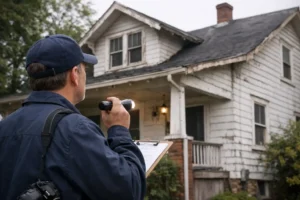
The worst time to learn about a roof leak, unsafe wiring, or hidden moisture is after your home is under contract. At that point, the buyer is emotionally invested but also looking for leverage, and small issues can turn into price cuts, repair demands, or a delayed closing. A smart home seller inspection guide starts before the listing goes live, when you still control the timeline, the contractors, and the conversation.
For many sellers, a pre-listing inspection feels optional until a deal starts to wobble. In practice, it can be one of the clearest ways to reduce uncertainty. You are not trying to prove that a home is flawless. You are trying to understand its current condition, address meaningful concerns early, and present the property with fewer unknowns.
What a home seller inspection guide should help you do
A useful seller inspection process does three things. First, it helps uncover defects that could affect value, financing, or buyer confidence. Second, it gives you time to make repairs on your terms instead of racing to respond during escrow. Third, it helps you price and market the home more accurately.
That last point matters. Sellers sometimes assume an inspection is only about fixing problems. It is also about clarity. If a home is in strong condition, documented findings can support the asking price and reduce buyer hesitation. If the home needs work, knowing that before listing allows for a more realistic strategy instead of a surprise negotiation later.
Why sellers benefit from inspecting before the buyer does
When the buyer orders the first inspection, you are reacting. When you inspect before listing, you are planning. That difference affects everything from repair costs to negotiation posture.
A pre-listing inspection can identify common trouble spots such as roofing wear, plumbing leaks, electrical defects, HVAC performance issues, drainage concerns, and moisture intrusion. Some of these are minor. Others can raise red flags for buyers, lenders, or insurers. Finding them early gives you room to decide whether to repair, disclose, adjust price, or document the issue clearly.
It also helps reduce emotional friction. Buyers tend to interpret inspection findings in the most cautious way possible, especially when the report arrives after they have made an offer. Sellers who already understand the home’s condition are better prepared to respond with facts instead of guesswork.
Home seller inspection guide: what gets evaluated
A seller inspection generally looks at the same major systems and visible components a buyer’s inspection would cover. That includes roofing, exterior surfaces, grading and drainage, attic areas, insulation, foundation movement indicators, plumbing fixtures and supply lines, electrical panels and visible wiring, heating and cooling equipment, windows, doors, walls, ceilings, floors, and installed appliances.
The goal is not cosmetic criticism. The focus is on condition, performance, safety concerns, and signs of active or developing problems. A thorough inspector will document findings clearly and explain which issues are routine maintenance, which are more significant, and which warrant prompt attention.
This is where the quality of the report matters. A technical inspection has to be understandable to sellers, buyers, agents, and contractors. Clear photos, concise descriptions, and practical recommendations make the report useful as a decision-making tool instead of a stack of vague cautions.
Decide what to repair and what to disclose
Not every finding should trigger immediate repairs. Some should. Others are better handled through transparent disclosure and realistic pricing. The right path depends on the nature of the issue, your budget, market conditions, and how close you are to listing.
Safety-related concerns and active leaks usually deserve prompt action because they can create larger damage or derail financing. Defects involving electrical hazards, plumbing leaks, roof penetrations, or moisture conditions tend to be more expensive when ignored. Addressing them before listing often protects both value and timeline.
Older components are a different category. If an air conditioning unit is functioning but near the end of its expected service life, replacement may not be necessary before sale. In that case, accurate disclosure and sensible pricing may be the better move. Buyers generally respond better to known, documented conditions than to unpleasant surprises.
Cosmetic issues also need perspective. Chipped trim or worn caulk may appear in an inspection report, but they do not usually carry the same weight as moisture damage, unsafe wiring, or drainage problems. A good inspection helps separate nuisance items from findings that can materially affect the transaction.
Prepare the house before the inspection
A pre-listing inspection works best when the inspector can see and access the home’s major components. That means simple preparation matters.
Make sure utilities are on, pilot lights are lit where appropriate, and service panels, attic entries, crawlspace access points, and mechanical equipment are unobstructed. Replace burned-out bulbs where they affect inspection of fixtures. Clean up storage piled around furnaces, water heaters, or electrical panels. If you know there has been a past leak or repair, gather any invoices or documentation so the condition can be understood in context.
This is not about staging. It is about access and accuracy. An inspector cannot evaluate what cannot be reached or operated, and limited access can lead to avoidable uncertainty in the report.
How the report helps with pricing and negotiations
One of the biggest advantages of a seller-side inspection is that it gives you leverage through information. If you have already repaired major defects and can show documentation, buyers have less room to assume the worst. If you choose not to repair certain items, you can account for them in price instead of absorbing a rushed credit request later.
This does not eliminate negotiation. It improves it. There is a big difference between discussing a known roof condition that was already reflected in the asking price and reacting to a buyer’s report that frames the issue as a new discovery.
It can also help your real estate agent position the property more effectively. Listings backed by recent, credible condition information tend to create more confidence, especially when buyers are comparing similar homes and trying to estimate future repair costs.
What sellers often miss without a pre-listing inspection
Many sellers live with a home long enough that gradual changes stop standing out. A slow leak under a sink, condensation in the attic, missing GFCI protection, or exterior grading that pushes water toward the house can go unnoticed because daily life adapts around it.
That is why independent evaluation matters. Trained inspectors are looking for patterns, not just isolated defects. Moisture staining may be old or active. A crack may be cosmetic or related to movement over time. An HVAC system may be operating but showing signs of deferred maintenance. The point is not alarm. The point is to replace assumptions with evidence.
Advanced tools can make that process more precise. Thermal imaging and moisture detection, when used appropriately, can help identify hidden concerns that are not obvious during a basic visual walkthrough. For sellers, that can mean fewer unpleasant discoveries after a buyer has already started their due diligence.
Timing matters more than most sellers realize
If possible, schedule a pre-listing inspection before photos, marketing, and showings begin. That gives you the widest range of options. You can complete repairs, collect contractor receipts, update disclosures, and avoid listing a home that may immediately run into preventable objections.
If you are already on a faster timeline, an inspection can still be worthwhile. Even when there is not enough time to repair everything, understanding the condition of the home helps you set expectations and plan your next move. Some sellers choose to fix only the higher-priority issues and disclose the rest. Others sell as-is but use the report to support a realistic asking price from day one.
There is no single rule that fits every property. A newer home in excellent condition may need only minor touch-ups. An older home with deferred maintenance may benefit from more targeted repairs before hitting the market. The right decision depends on the findings, the market, and your goals.
Choosing the right inspection partner
For sellers, speed and clarity matter almost as much as technical accuracy. You need a report that arrives quickly, explains findings in plain language, and helps you decide what to do next. That is why many property owners look for inspectors who combine thorough on-site evaluation with organized reporting, clear images, and practical recommendations.
Archer Professional Inspections approaches pre-listing inspections with that standard in mind. Detailed reporting, strong visual documentation, and responsive turnaround help sellers move from uncertainty to action without adding confusion to an already busy transaction.
Selling a home always involves decisions, but it should not involve avoidable surprises. The earlier you understand the property’s true condition, the more control you keep over pricing, repairs, negotiations, and timing. A careful inspection does not create problems – it gives you the chance to solve them before they become someone else’s objection.