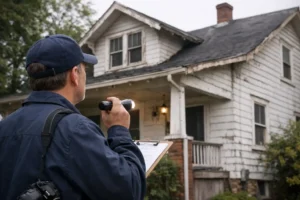
A showing can go well, the finishes can look clean, and the seller disclosure can seem reassuring. Then the inspection reveals active moisture at a window line, aging electrical components, or roof wear that was not obvious during a walk-through. That is why a st louis property inspection matters – not as a formality, but as a decision tool that gives you a clearer picture of what you are really buying, selling, or maintaining.
In a market where timing matters, people often worry that an inspection will slow things down or create unnecessary friction. In practice, a thorough inspection does the opposite. It replaces guesswork with documented findings, clear photos, and practical recommendations so you can move forward with confidence instead of assumptions.
What a St Louis Property Inspection Should Actually Deliver
A quality inspection is not just a checklist with a few notes attached. It should be a careful evaluation of the property as it exists on the day of the inspection, backed by organized reporting that helps you understand severity, likely causes, and sensible next steps.
For a homebuyer, that means identifying conditions that may affect safety, function, or future repair costs. For a seller, it means understanding what a buyer is likely to flag before the listing process turns into a negotiation over surprises. For a property owner, it means catching developing problems early enough to avoid larger damage and more expensive repairs.
The strongest reports do two things well. First, they document what was observed with enough detail to support smart decisions. Second, they translate those findings into plain language so non-experts can understand what matters now, what should be monitored, and what may simply reflect normal aging.
Why Hidden Issues Are Easy to Miss
Properties rarely fail in dramatic, obvious ways. More often, problems build gradually behind finishes, in less-traveled areas, or in systems the average buyer only sees for a few minutes. A stained ceiling may have been painted over. A foundation wall may look dry on the day of a showing while moisture intrusion has been active over time. An HVAC system may operate during a brief test but still show signs of deferred maintenance or shortened remaining life.
That is where inspection experience matters. A trained inspector is not just looking for defects. They are looking for patterns – moisture where it should not be, inconsistent repairs, installation issues, ventilation concerns, drainage problems, and signs that one defect may be contributing to another.
Advanced tools can add another layer of clarity. Thermal imaging and moisture detection, when used correctly, can help confirm conditions that are not visible at the surface. These tools are not magic, and they do not replace inspection judgment, but they can help distinguish between a cosmetic concern and a condition that deserves immediate attention.
The Most Common Areas of Concern
Every property is different, and no two reports should read the same. Still, certain systems and components deserve close attention during a st louis property inspection because they are common sources of cost, disruption, and negotiation.
Roofing is one of the big ones. Even when there is no active leak, inspectors often find aging materials, flashing issues, drainage concerns, or wear that suggests the roof may need maintenance or replacement sooner than expected. Buyers do not just need to know if a roof is leaking today. They need to understand its current condition and likely near-term demands.
Moisture is another major issue. It can show up in basements, crawlspaces, around windows and doors, beneath sinks, or near exterior transitions. Left unchecked, moisture can damage finishes, affect indoor conditions, and lead to broader repair needs. Sometimes the source is obvious. Sometimes it takes a more careful evaluation to connect interior signs with exterior grading, drainage, or sealing deficiencies.
Electrical concerns also matter because they affect both function and safety. That can include outdated components, improper wiring practices, missing protection devices, overloaded panels, or amateur modifications. Not every electrical finding means a system is failing, but some conditions should be addressed promptly by a qualified contractor.
Heating and cooling equipment often raises practical questions rather than simple pass-or-fail answers. A unit may be operating at the time of inspection but still show signs of age, poor maintenance, or reduced efficiency. That is useful information for budgeting, especially when buyers are already stretching to make a purchase work.
Plumbing issues tend to range from minor leaks to larger concerns involving drainage, water heating, fixture performance, or signs of long-term wear. In many cases, what looks small during a walkthrough becomes more significant once documented and traced to a broader pattern.
Buyers Need More Than a Repair List
For buyers, the real value of an inspection is perspective. Not every defect should trigger alarm, and not every older component needs to be replaced immediately. The point is to understand the property in context.
That context helps with negotiation, but it also helps with planning. A buyer may decide to move forward because the major concerns are manageable and well documented. Another buyer may renegotiate based on repair costs or ask for specific corrections before closing. In some cases, the inspection reveals a concentration of issues that changes the deal entirely.
This is where report quality makes a difference. If findings are vague, poorly organized, or light on visual documentation, buyers are left to interpret too much on their own. A strong report gives them a usable record – one that supports conversations with agents, contractors, and lenders and reduces the chance of confusion after the inspection is over.
Sellers Can Benefit More Than They Expect
Some sellers hesitate to order a pre-listing inspection because they worry about uncovering problems they would rather not deal with. That concern is understandable, but waiting does not make conditions disappear. It usually means the buyer discovers them later, when the timing is worse and the leverage is not in the seller’s favor.
A pre-listing inspection can help sellers decide what to repair, what to disclose, and how to price more accurately. It can also reduce the risk of last-minute contract stress. When known issues are addressed early or documented clearly, transactions tend to move with fewer surprises.
There is a trade-off, of course. Some sellers may prefer not to spend money upfront on an inspection or repairs before the property hits the market. Whether that approach makes sense depends on the age of the property, its maintenance history, and how competitive the market is. But for many sellers, clarity before listing is cheaper than chaos during escrow.
Commercial Properties Require a Different Level of Analysis
Commercial clients are usually not looking for general reassurance. They need information they can use for acquisition decisions, capital planning, lease negotiations, maintenance forecasting, insurance matters, or risk review. That means the inspection process must be more than observational. It needs to be organized in a way that supports business decisions.
A commercial property inspection often involves a wider scope, more complex building systems, and more stakeholders. Investors may care about deferred maintenance and near-term capital exposure. Property managers may need documentation to prioritize repairs. Owners may need evidence for budgeting or claims support. In those situations, speed matters, but clarity matters more.
That is why decision-support reporting is so valuable. High-resolution visuals, concise narratives, and actionable recommendations help commercial clients move from inspection findings to next steps without sorting through unnecessary noise.
How to Judge Inspection Quality Before You Schedule
Not all inspection services deliver the same level of depth. Before scheduling, it is worth looking past price alone and asking how the inspection is actually performed and reported.
Start with the report itself. A serious inspection firm should provide reports that are organized, readable, and supported by photos that clearly show the condition being described. Fast turnaround matters too, especially in active transactions, but speed should not come at the expense of accuracy.
It also helps to ask whether advanced diagnostic tools are used when appropriate. Thermal imaging and moisture detection can add meaningful insight when there are signs that a hidden condition may be present. What matters is not the tool itself but whether it is used by someone who understands how to interpret the findings properly.
For clients who need both technical depth and plain-language communication, Archer Professional Inspections stands out by pairing detailed on-site assessments with clear reporting that arrives quickly and helps clients act on what they learn.
What Happens After the Inspection Matters Too
The best inspection is not the one that produces the longest report. It is the one that helps you make the next decision with less uncertainty. Sometimes that means requesting repairs. Sometimes it means adjusting your budget, planning future maintenance, or simply moving forward with a better understanding of the property.
A good inspector does not create panic. They create clarity. That distinction matters when the property decision in front of you carries real financial weight.
If you are scheduling a st louis property inspection, look for thoroughness, accurate documentation, and reporting that respects both the technical details and the practical decisions you need to make. When the process is done well, you are not left with more questions. You are left with a clearer path forward.