A signed purchase contract starts a countdown. The buyer inspection timeline is often short, and the decisions made during that window can affect the purchase price, repair terms, insurance planning, and whether you move forward at all. A well-timed inspection gives you documented facts early enough to use them.
For most buyers, the goal is not to find a flawless property. It is to understand the property’s present condition, identify material concerns, and decide what level of risk and future cost is acceptable before inspection deadlines pass.
The Buyer Inspection Timeline at a Glance
The exact schedule depends on the purchase agreement, local practice, property type, and seller availability. In many residential transactions, buyers have roughly seven to 14 days after contract acceptance to complete inspections and respond. Some contracts allow less time, especially in competitive markets. Commercial due-diligence periods are often longer, but larger or more complex properties can require more coordination and additional evaluations.
The key is to read the contract immediately. Do not assume the inspection period begins when you schedule an inspection or receive a report. It generally begins on a defined contract date, and missing a notice or objection deadline can limit your options.
Days 1-2: Review deadlines and schedule promptly
As soon as the contract is accepted, confirm three dates: the last day to perform inspections, the deadline for submitting repair requests or objections, and the deadline for resolving those requests. Your real estate agent can help interpret the transaction schedule, while your inspector can help secure an appointment that fits within it.
Schedule early rather than aiming for the final day. Sellers may need notice to provide access, and properties with added features – such as pools, outbuildings, multiple HVAC systems, or extensive acreage – may require more inspection time. An early appointment also preserves room for follow-up specialists if the inspection identifies a concern that needs further evaluation.
When comparing inspectors, report timing matters. A thorough on-site assessment is only useful if you receive clear documentation in time to make a decision. Archer Professional Inspections provides detailed reports within 24 hours, helping clients review findings while their contract deadlines are still working for them.
Days 3-5: Attend the inspection when possible
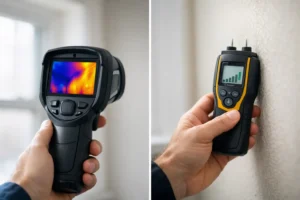
A typical home inspection may take several hours, depending on the age, size, occupancy, and condition of the property. The inspector evaluates accessible and visible components, documents observed conditions, and explains significant findings in practical terms. Thermal imaging and moisture detection can add useful context where conditions support their use, particularly when there are signs of water intrusion or concealed performance issues.
Being present is valuable, but it is not required. Buyers who attend can see conditions firsthand, ask focused questions, and better understand which items are immediate concerns versus maintenance items to plan for. If you cannot attend, a detailed visual report and a post-inspection conversation can still give you a clear basis for next steps.
The inspection is not a code compliance certification, a warranty, or a prediction that no future problem will occur. It is a professional assessment of conditions that were accessible at the time of the visit. Weather, furnishings, locked areas, and active utilities can affect what can be evaluated, which is why the report should clearly identify limitations as well as findings.
How to Use the Inspection Report Before Your Deadline
The report is where the buyer inspection timeline becomes a decision process. High-resolution photos, plain-language descriptions, and prioritized recommendations make it easier to distinguish between a manageable maintenance task and an issue that may justify further investigation, repair negotiations, or a change in plans.
Days 4-7: Read for decisions, not perfection
A good inspection report can be extensive. Do not treat every note as equally urgent. Most properties, including well-maintained homes, have deferred maintenance, aging components, minor defects, and cosmetic wear. Those items still matter for budgeting, but they do not automatically indicate a poor purchase.
Focus first on conditions that affect safety, water management, major building systems, habitability, or the likelihood of substantial near-term expense. Then consider how those findings fit the property’s age, price, disclosed condition, and your own tolerance for repairs. A 30-year-old home should not be judged by the same baseline as new construction, and a lower purchase price may reasonably reflect visible updating needs.
If a finding needs a more specialized opinion, arrange it quickly. The first inspection may reveal symptoms that call for a licensed contractor, electrician, plumber, roofing professional, pest professional, or other qualified evaluator. Waiting until the end of the contingency period can leave too little time to obtain quotes or understand the scope of work.
Days 6-10: Decide what to request
Buyers typically have several paths after reviewing the report. You may proceed as written, request specific repairs, ask for a credit or price adjustment, seek additional inspections, or exercise a contract right to withdraw if an agreement cannot be reached. What is available depends entirely on the terms of your contract.
Repair requests are strongest when they are specific, reasonable, and tied to documented conditions. Asking a seller to address every minor item can create friction and distract from the issues that most affect the property decision. A more effective approach is to prioritize material concerns and state the desired outcome clearly.
A seller credit can be useful when you prefer to control the repair after closing. However, credits may be limited by loan rules or closing-cost caps, and they do not eliminate the need to budget for the work. Seller-performed repairs may resolve an immediate issue, but buyers should request appropriate documentation and consider whether a reinspection is warranted before closing.
Days 10-14: Negotiate, verify, and preserve records
Once the buyer submits requests, the seller may agree, decline, counter, or offer another form of concession. Keep the conversation grounded in the report and avoid relying on verbal assurances. Any agreement should be documented through the transaction process.
If repairs are completed before closing, obtain invoices, receipts, warranties, and any required permits. For material work, a return visit or reinspection can verify whether the visible concern was addressed. A reinspection is not a guarantee of all workmanship, but it can provide valuable confirmation that the agreed item was completed before funds change hands.
Keep the original report, repair addenda, specialist evaluations, and repair records in one place. These documents can support maintenance planning after closing and provide a useful baseline for future work on the property.
Timing Mistakes That Put Buyers at a Disadvantage
The most common mistake is scheduling the inspection late because the property appears well maintained. Clean finishes and fresh paint do not replace a professional evaluation. Another mistake is treating the report as a seller punch list rather than a risk-management tool. The report exists to help you make an informed purchase decision, not to guarantee that every imperfection will be corrected.
Buyers can also lose time by waiting for the full report before discussing obvious on-site concerns with the inspector. Ask what requires prompt follow-up before the appointment ends. That conversation may allow you to line up a specialist while the report is being finalized.
For commercial acquisitions, the same principle applies at a larger scale. Access coordination, tenant occupancy, roof access, utility records, and document review can extend the process. Begin early, define the scope clearly, and leave adequate time to evaluate findings before the due-diligence period closes.
A Clear Timeline Creates Better Leverage
Inspection timing is not just an administrative step between contract and closing. It is the period when buyers turn a promising property into a documented decision. Schedule early, read the contract carefully, use the report to prioritize real risks, and give yourself enough time to investigate questions before you are committed.
The right property does not need to be perfect. It needs to be a decision you can make with clear evidence, realistic expectations, and a plan for what comes next.