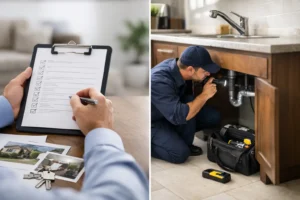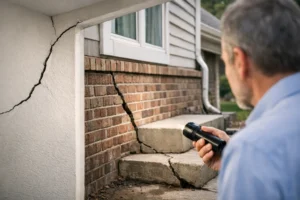
If you are trying to line up closing dates, utility transfers, and the rest of a moving schedule, one practical question tends to come up fast: how long does a home inspection take? In most cases, a standard home inspection takes about 2 to 4 hours on site. That said, the real answer depends on the size of the home, its age, its condition, and whether there are extra systems or concerns that require closer review.
For buyers, sellers, and homeowners, the timing matters for more than convenience. The length of the inspection often tells you something about the level of care involved. A rushed inspection may feel efficient in the moment, but it can leave major questions unanswered. A careful inspection gives you clearer information, better documentation, and more confidence in what comes next.
How long does a home inspection take for most properties?
For an average single-family home, expect the inspection itself to last roughly 2 to 4 hours. Smaller homes or newer properties with straightforward access may land near the lower end of that range. Larger, older, or more complex homes often take longer.
Condos can sometimes be completed in closer to 1.5 to 3 hours, especially when exterior components are managed by an association and there are fewer systems to review. On the other hand, a large home with multiple HVAC units, several electrical panels, an attic with limited access, and signs of moisture issues may require 4 hours or more.
The report writing happens after the site visit. Many inspection firms, including Archer Professional Inspections, deliver detailed reports within 24 hours. That means the appointment itself is only one part of the process. The value comes from both the fieldwork and the organized reporting that follows.
What affects how long a home inspection takes?
Square footage is the most obvious factor, but it is far from the only one. A 1,400-square-foot home in good condition is usually quicker to inspect than a 1,400-square-foot home with deferred maintenance, older systems, and hard-to-reach areas.
Age plays a major role. Older homes often have more layers of repairs, updates, and wear. That does not automatically mean something is wrong, but it does mean the inspector may need more time to evaluate conditions, document findings, and distinguish between aging materials and active concerns.
Accessibility matters too. If the attic hatch is blocked, the crawlspace is tight, the electrical panel is difficult to reach, or mechanical systems are hidden behind stored items, progress slows down. Inspectors cannot properly evaluate what they cannot safely access.
Weather can also affect timing. Heavy rain, snow, or icy conditions may limit how quickly roof, exterior, drainage, and site features can be reviewed. The inspection can still move forward in many cases, but certain components may require more time or additional notes about limitations.
Then there are added services. Thermal imaging, moisture detection, detached buildings, pools, irrigation systems, and outbuildings can all increase the time needed on site. These additions are often worthwhile because they can reveal conditions that a visual review alone may not fully clarify.
Typical time ranges by property type
A condo or small home may take 1.5 to 3 hours. A standard single-family home usually takes 2 to 4 hours. A larger or older property may take 4 to 6 hours. Multi-unit or mixed-use properties can take longer depending on the number of systems, units, and accessible areas.
These are practical estimates, not guarantees. The condition of the property usually matters as much as the category it falls into.
Why a thorough inspection should not feel rushed
Home inspections are not simple walkthroughs. A qualified inspector is evaluating roofing, exterior elements, grading and drainage, garages, interior rooms, windows and doors, insulation, ventilation, plumbing, electrical components, HVAC equipment, and visible signs of moisture intrusion or material deterioration. That takes time, especially when the goal is accuracy rather than speed.
A thorough inspection also involves documentation. Inspectors are not just spotting concerns. They are taking photos, testing representative components, organizing observations, and building the basis for a report that clients can actually use during negotiations, repair planning, or general decision-making.
This is where trade-offs matter. Faster is not always better. Buyers often want quick answers, and that is understandable. But if an inspection is too fast for the size and condition of the home, it is reasonable to ask whether enough attention was given to the details that matter.
Should buyers attend the inspection?
In most cases, yes. Buyers do not need to follow the inspector step by step for several hours, but being present for at least part of the appointment can be very helpful. It gives you a chance to ask questions, see major findings firsthand, and better understand how the home’s systems function.
Many clients find it most useful to arrive toward the end of the inspection for a verbal overview. That approach gives the inspector time to work efficiently while still allowing for a focused conversation about key concerns, maintenance items, and next steps.
If you are a seller or homeowner ordering a pre-listing or maintenance inspection, attendance can still be valuable. It helps you connect report comments to real conditions in the house, which makes repair planning easier.
What happens during the inspection time?
The onsite appointment usually starts with an exterior review and then moves through the interior, garage, attic, and accessible under-floor areas. The inspector tests and observes a broad range of visible components and systems, looking for defects, safety concerns, signs of damage, and conditions that may affect performance.
Some parts move quickly. Others require more attention. An inspector may spend extra time around moisture-prone areas, electrical equipment, roofing transitions, or HVAC components if something appears irregular or if there are visible signs of prior repairs.
This is another reason timing varies so much from house to house. Two homes of similar size can produce very different inspection timelines based on what is found and how much documentation is needed.
Does a longer inspection mean bad news?
Not necessarily. A longer inspection can simply mean the home is larger, older, or more feature-rich. It can also mean the inspector is being methodical, which is usually a good thing.
That said, a property with several issues often does take longer because more conditions need to be verified, photographed, and clearly explained. More findings generally mean more report detail. The extra time is not the problem. It is part of getting useful information before you commit to repairs, negotiations, or a purchase.
The better question is not whether the inspection was long. It is whether the time spent produced clear, organized, decision-ready reporting.
How to keep the inspection moving efficiently
If you want the appointment to stay on schedule, a little preparation helps. Utilities should be on, access points should be clear, and major systems should not be blocked by storage or furniture. Pets should be secured, and someone should make sure all necessary areas can be entered.
For sellers, replacing burned-out bulbs, changing HVAC filters, and handling small maintenance issues before the inspection can reduce confusion. For buyers, confirming the property will be inspection-ready with your agent can help avoid delays.
If the property has extras such as detached garages, workshops, guest houses, or specialty equipment, mention that ahead of time. The inspection company can then schedule enough time rather than forcing everything into a rushed window.
How long does a home inspection take compared with the report turnaround?
This is where many people underestimate the process. The onsite inspection may take a few hours, but the report requires additional time for photo review, narrative writing, and quality control. A strong report is not a checklist with a few boxes marked. It should explain what was observed, why it matters, and what action may be appropriate.
For clients making major property decisions, fast reporting matters, but clarity matters more. A same-day report is helpful only if it is complete and easy to understand. Detailed delivery within 24 hours is often the best balance between speed and accuracy.
The timeframe that matters most
If you are asking how long does a home inspection take, the practical answer is usually 2 to 4 hours on site, with longer timelines for larger, older, or more complex properties. But the more useful answer is this: the right inspection takes as long as needed to evaluate the property carefully and explain the findings clearly.
When you are making a decision that affects your finances, safety, and future maintenance costs, a little more time spent upfront is usually time well spent. The goal is not to get through the inspection as fast as possible. The goal is to move forward with fewer unknowns.