A home can look perfectly solid during a showing and still hide moisture intrusion, aging systems, unsafe wiring, or roof damage that only becomes obvious after move-in. That is why so many buyers, sellers, and homeowners ask the same question: when should you get a home inspection? The short answer is before a major decision, not after a costly surprise.
For most people, the clearest time to schedule an inspection is during a real estate transaction. But that is not the only useful moment. A home inspection can also help before listing a property, after a severe weather event, at the end of a builder warranty period, or when you simply want a clearer picture of your home’s condition. The right timing depends on what decision you are trying to make and how much risk you want to carry without verified information.
When should you get a home inspection during a purchase?
If you are buying a home, the best time is after your offer is accepted and before contingencies expire. This is the window when the inspection gives you the most leverage. You can confirm the property’s overall condition, identify defects that were not visible during a walkthrough, and make decisions while you still have options.
A good inspection does more than point out obvious wear. It helps you understand the condition of major systems, current safety concerns, moisture-related issues, and deferred maintenance that may affect your budget in the first year of ownership. Even homes that appear updated can have hidden problems behind cosmetic improvements.
Timing matters here. If you wait too long, you may lose the ability to negotiate repairs, request credits, or reconsider the purchase. If you schedule too early without a contract in place, you may spend money on a property you cannot secure. The practical answer is to book the inspection as soon as your contract allows and leave enough time to review the report carefully.
For buyers in competitive markets, there is often pressure to waive protections to make an offer more attractive. That can be tempting, especially on newer homes or properties that look move-in ready. But newer does not always mean issue-free, and clean finishes do not tell you what is happening in attics, crawl spaces, electrical panels, or around moisture-prone areas. If you are taking on a mortgage, closing costs, and future maintenance, reliable information is not a luxury. It is part of responsible due diligence.
When should you get a home inspection if you are selling?
If you are the seller, the best time is before you put the home on the market or as early in the listing process as possible. A pre-listing inspection gives you a chance to identify issues before a buyer does. That changes the conversation.
Instead of reacting under deadline pressure, you can choose whether to make repairs, gather estimates, adjust pricing, or disclose known conditions clearly. This often leads to smoother negotiations because fewer discoveries happen late in the transaction. It also reduces the chance that a buyer will be surprised by repair items and use them to reopen price discussions after the home is already under contract.
There is a trade-off. A pre-listing inspection may uncover defects you would rather not deal with. But those issues usually exist whether you know about them or not. Finding them early gives you control over timing, contractors, and budget. For many sellers, that control is worth far more than the inspection cost.
This is especially helpful if the home is older, has not been evaluated in several years, or has had piecemeal updates over time. A seller who understands the property’s actual condition is in a stronger position than one who is relying on assumptions.
Homeowners should not wait for a transaction
A home inspection is also useful when you are not buying or selling. Many homeowners wait until a leak, electrical problem, or expensive system failure forces action. By then, the issue may have spread or become more costly to correct.
If you plan to stay in your home long term, a periodic inspection can help you build a smarter maintenance plan. It gives you a documented view of aging components, early signs of water intrusion, ventilation concerns, roofing wear, and other conditions that tend to worsen quietly over time. That kind of information helps you prioritize repairs instead of guessing.
A practical rule is to consider an inspection when the home is older, when you have not had a full assessment in years, or when you are seeing small warning signs such as musty odors, staining, uneven temperatures, sticking doors, or recurring moisture around windows and bathrooms. These symptoms do not always indicate severe problems, but they do justify a closer look.
For homeowners managing multiple repair needs, an inspection can also bring order to the process. Rather than responding to the loudest problem first, you get a clearer picture of which items are cosmetic, which are maintenance-related, and which deserve faster attention.
Specific moments when an inspection makes the most sense
Some timing decisions are tied to specific events rather than transactions. One common example is the end of a builder warranty. If you purchased a newly built home, scheduling an inspection before the warranty period expires can be valuable. This is your opportunity to identify issues while the builder may still be responsible for correcting them.
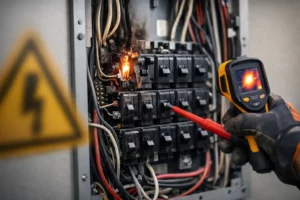
Another strong reason is severe weather. After hail, wind, heavy rain, freezing conditions, or localized flooding, visible damage is only part of the story. Water can travel behind finishes, roofing materials can be compromised without obvious signs from the ground, and moisture can remain trapped in areas you do not regularly inspect. An evaluation using tools such as thermal imaging and moisture detection can help confirm whether there is damage that needs attention.
Renovation planning is another smart time. If you are preparing for a major kitchen remodel, addition, or system upgrade, an inspection can reveal existing issues that may affect the scope of work. It is far better to know about active leaks, electrical concerns, or ventilation problems before walls are opened and budgets are finalized.
You may also want an inspection after a significant repair. If a roof leak, plumbing failure, or moisture issue was recently addressed, an independent assessment can help verify that the affected areas are performing as expected and that no secondary damage was overlooked.
What a home inspection can and cannot do
Part of good timing is having the right expectations. A home inspection is a visual, non-invasive evaluation of the property’s accessible systems and components at the time of the inspection. It is designed to identify material defects, safety concerns, and maintenance issues that could affect your decision-making.
It is not a guarantee that every hidden condition will be discovered, and it is not a prediction of the exact remaining life of every component. Houses are complex, and some problems develop after the inspection date. But that does not reduce the value of the process. A thorough inspection, paired with clear reporting and high-resolution documentation, gives you a much stronger factual basis than a quick walkthrough or seller disclosure alone.
That is where quality matters. A rushed inspection that produces a vague checklist is not the same as a detailed assessment that explains findings in plain language, documents them clearly, and helps you understand what needs immediate attention versus future planning.
How to decide when the timing is right for you
If the decision in front of you carries financial risk, legal responsibility, repair exposure, or long-term maintenance costs, the timing is probably right. That includes buying, selling, preparing for major work, evaluating possible weather damage, or checking the condition of a home you have not assessed in years.
The more uncertainty you have, the more useful an inspection becomes. Some clients need negotiation leverage. Others need a maintenance roadmap. Others simply want to know whether a concern is minor or the start of a more expensive problem. In each case, the value comes from getting dependable information before you commit to the next step.
At Archer Professional Inspections, that is the real purpose of the inspection process: not just identifying defects, but helping clients make clear, informed property decisions with less guesswork and fewer surprises.
If you are wondering whether now is the right time, ask yourself a simpler question: would better information change what you do next? If the answer is yes, it is probably time to schedule the inspection.