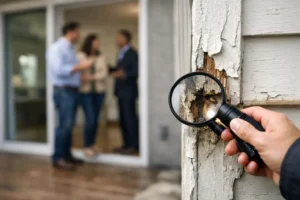
A small roof leak, a slow plumbing drip, or a blocked exterior drain rarely starts as a major expense. What turns minor defects into costly repairs is usually time. A good home maintenance inspection checklist gives homeowners a practical way to catch wear, moisture, safety concerns, and aging components before they affect livability or budget.
For many property owners, the challenge is not caring about maintenance. It is knowing what to look at, how often to check it, and which findings deserve prompt action. The goal is not to turn every homeowner into an inspector. The goal is to create a clear, repeatable process that helps you notice changes early and make better decisions about repair timing, contractor calls, and long-term upkeep.
Why a home maintenance inspection checklist matters
A house is a system of interconnected parts. Roofing, drainage, HVAC equipment, plumbing, electrical components, insulation, windows, and exterior surfaces all affect each other. When one area starts to fail, the impact often shows up somewhere else. Poor grading can lead to moisture at the foundation. An unsealed window can increase energy loss and allow water intrusion. A neglected HVAC filter can reduce efficiency and put more strain on the equipment.
That is why routine observation matters. A checklist creates consistency. Instead of reacting only when something breaks, you build a maintenance record that shows patterns over time. This is especially useful if you are preparing to sell, evaluating repair priorities after a purchase, or managing an older property with multiple aging systems.
The other benefit is financial clarity. Not every issue is urgent, and not every stain or crack means a serious problem. A checklist helps separate routine upkeep from items that need further evaluation. That distinction protects both your budget and your peace of mind.
How to use this home maintenance inspection checklist
Use the checklist as a visual inspection tool, not as a substitute for a professional inspection when you need expert documentation or advanced diagnostics. Walk the property in daylight, take clear photos, and keep notes by date. If possible, compare current conditions to prior photos. That simple habit makes it easier to spot subtle deterioration.
A practical schedule works better than an ambitious one you will not follow. Most homeowners do well with a seasonal review in spring and fall, plus quick monthly checks of high-risk areas such as plumbing fixtures, HVAC filters, and visible moisture-prone spaces. After major weather events, it is also smart to review the roofline, gutters, siding, and drainage.
Exterior areas to inspect first
Start outside because many interior problems begin there. Walk the perimeter and look at the roof from the ground. Watch for missing or damaged shingles, sagging gutters, loose downspouts, debris buildup, and areas where water may not be directing away from the home. You are not trying to diagnose every defect from the yard. You are looking for signs that drainage or weather protection may be compromised.
Next, review siding, trim, and exterior penetrations. Gaps around utility lines, cracked caulking, peeling paint, and soft or deteriorated trim can all allow moisture intrusion. Pay close attention to window and door perimeters, especially on elevations that get the most wind and rain exposure.
Ground conditions matter just as much. The soil should slope away from the house, and downspouts should discharge far enough away to avoid water collecting near the foundation. Look for standing water, eroded mulch beds, and sunken areas that suggest poor drainage. Fencing, decks, steps, and handrails should also be checked for looseness, rot, and fastener corrosion.
If the property has mature trees, inspect limbs that overhang the roof and watch for root patterns that may affect walkways or drainage. Trees add value, but deferred trimming can increase the risk of roof wear and storm damage.
Interior checks that reveal hidden problems
Inside the home, start with ceilings, walls, and floors. You are looking for stains, discoloration, cracked finishes, uneven flooring, or doors that suddenly stop latching properly. None of these signs should be judged in isolation, but they can indicate moisture movement, material expansion, or settling that deserves closer attention.
In kitchens and bathrooms, open the sink cabinets and inspect supply lines, drain connections, and cabinet bases. A slow leak under a sink often goes unnoticed until the cabinet floor is damaged or mold begins to develop. Check around tubs, showers, and toilets for loose sealant, soft flooring, and signs of recurring moisture.
Basements, crawlspaces, and utility rooms deserve extra attention because they often reveal developing issues first. Musty odors, rust on metal components, staining on walls, or damp insulation can all point to moisture conditions that should not be ignored. If the home has a sump pump, test it according to manufacturer guidance and make sure the discharge path is functioning properly.
Attics are another high-value inspection area. Look for signs of roof leaks, dark staining, compressed insulation, and poor ventilation. Even without visible water entry, excess heat and moisture in the attic can shorten the life of roofing materials and affect indoor comfort.
Systems to review during routine maintenance
Mechanical systems need both observation and service. For HVAC equipment, replace filters on schedule, confirm vents are not blocked, and note unusual noises, short cycling, or inconsistent temperatures between rooms. These are not always signs of imminent failure, but they are worth addressing before peak heating or cooling season.
For plumbing, check visible pipes for corrosion, active drips, and staining at joints. Test faucets for pressure consistency and slow drainage. Water heaters should be reviewed for age, rust, leaks, and signs of sediment-related performance issues. If the unit is nearing the end of its expected service life, planning ahead is better than waiting for a failure.
Electrical maintenance is often overlooked because problems are less visible. Test GFCI outlets where installed, verify that switches and receptacles function properly, and note any warm outlets, flickering lights, or repeatedly tripped breakers. Those conditions do not always indicate a major defect, but they should be evaluated rather than dismissed.
Safety devices belong on every checklist. Test smoke alarms and carbon monoxide alarms, confirm extinguisher locations are accessible, and review garage door auto-reverse features. These are quick checks with high value.
What changes with the age and type of home
A newer home and a 75-year-old home do not need the same checklist emphasis. Newer homes may have fewer worn components, but they still benefit from regular review of drainage, sealants, roof conditions, and mechanical system performance. Construction defects and installation issues can still surface in the first several years of ownership.
Older homes often require a more watchful approach. Materials may have reached the later part of their service life, prior repairs may vary in quality, and maintenance history may be incomplete. In those homes, documenting active leaks, recurring moisture, aging windows, exterior wear, and system performance becomes even more important.
The same principle applies to occupancy and use. A primary residence occupied daily may reveal problems quickly. A vacant property, rental home, or seasonal residence needs more intentional monitoring because issues can go unnoticed for weeks or months.
When a checklist is not enough
There is a point where observation should give way to expert evaluation. If you find recurring moisture, roof concerns, electrical irregularities, HVAC performance problems, or visible movement that appears to be worsening, a professional inspection can help clarify the condition and the next step. This is especially useful when you need clear reporting for a real estate transaction, maintenance planning, insurance support, or repair scoping.
That is where a firm such as Archer Professional Inspections provides added value. A professional inspection brings trained observation, high-resolution documentation, and tools such as thermal imaging and moisture detection that can identify concerns not visible during a routine homeowner walkthrough.
Building a checklist you will actually use
The best checklist is the one you can maintain over time. Keep it simple enough to repeat and specific enough to be useful. Organize it by exterior, interior, plumbing, electrical, HVAC, attic, and safety items. Add a space for condition notes, photos, and whether the item should be monitored, serviced, or repaired.
It also helps to think in terms of priority. Some findings are maintenance tasks, such as cleaning gutters or replacing weatherstripping. Others justify scheduling service soon, such as an active plumbing drip or missing roofing material. A smaller group needs prompt attention because delaying them increases the chance of property damage or safety risk.
A home does not need to be perfect to be well maintained. It needs regular observation, timely action, and documentation that helps you make decisions with confidence. A careful checklist will not prevent every repair, but it will make surprises less frequent and far easier to manage.
The smartest maintenance habit is not checking more boxes. It is paying attention before small warning signs become expensive facts.