A home can look solid during a showing and still hide moisture intrusion, aging systems, unsafe wiring, or deferred maintenance behind finished surfaces. That is why knowing how to choose a home inspector matters before you sign off on one of the biggest financial decisions you will make. The right inspector does more than point out defects – they give you clear, usable information that helps you decide what to accept, what to negotiate, and what to address next.
Most buyers start with a referral from an agent, a quick online search, or whoever can fit them in fastest. Speed matters in a real estate transaction, but inspection quality matters more. A rushed or superficial inspection can leave you with a clean-looking report that does very little when real questions come up after closing.
How to choose a home inspector without guesswork
Start by treating the inspection as a professional service, not a scheduling checkbox. You are hiring someone to evaluate visible and accessible components, identify current concerns, and explain where conditions may require repair, monitoring, or further review. That means the best choice is rarely the cheapest one, and not always the first available one.
A strong inspector should be able to explain their process plainly. Ask what is included, how long the inspection usually takes, whether the report includes photos, and when you will receive it. If the answers are vague, rushed, or overly sales-driven, that is useful information.
Credentials are a good starting point, but they are not the whole decision. Training, certification, and continuing education show commitment to the profession. Experience matters too, especially experience with homes similar to the one you are buying. A 1950s ranch, a newer suburban build, and a mixed-use property all present different patterns of wear and different inspection challenges.
What to look for in a qualified inspector
A qualified home inspector should combine technical knowledge with strong communication. You need both. It is not enough for an inspector to recognize a problem if the final report leaves you unsure about the seriousness of the issue, the likely impact, or the next step.
Look closely at how the company presents its findings. A well-organized report should separate major concerns from routine maintenance items, include high-resolution images, and use straightforward language. This is especially important if the report will be reviewed by buyers, sellers, agents, lenders, or contractors. Clear reporting reduces confusion and helps everyone work from the same set of facts.
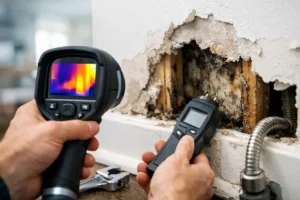
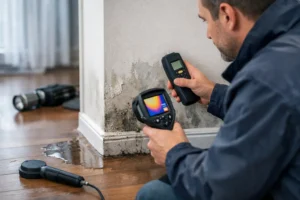
It also helps to ask what tools are used during the inspection. Basic visual assessment is standard, but advanced methods can provide added value in the right situations. Thermal imaging and moisture detection, for example, can help identify hidden conditions that may not be obvious during a standard walk-through. These tools do not replace experience, but in capable hands they can add meaningful insight.
Availability matters, but responsiveness matters more. If you call with a pre-booking question, pay attention to how the company answers. Do they explain the scope clearly? Do they sound organized? Do they make room for questions? The inspection process should reduce uncertainty, not create more of it.
Ask for a sample report
One of the best ways to evaluate an inspector before hiring them is to review a sample report. This tells you far more than a marketing page or a list of credentials.
A useful report is detailed without becoming unreadable. It should show what was inspected, what was observed, and why a finding matters. It should also distinguish between conditions that are common for a home’s age and conditions that may need prompt attention. If every item sounds equally urgent, the report may create confusion instead of clarity. If everything looks brief and generic, it may not give you enough support for real decision-making.
Ask how findings are explained
Some clients want the full technical picture. Others want the plain-language version first and the details second. A good inspector can do both. They should be able to explain whether an issue is primarily a maintenance concern, a repair issue, a safety concern, or a sign that additional evaluation is warranted.
This is especially important for first-time buyers, but experienced investors benefit from it too. Clear explanation saves time, sharpens negotiations, and helps you plan realistically after the inspection is complete.
Red flags to watch for when choosing a home inspector
If you are figuring out how to choose a home inspector, it helps to know what should make you pause.
Very low pricing can be one warning sign. Price alone does not tell you whether an inspector is good or bad, but unusually cheap inspections often mean reduced scope, less time on site, or lighter reporting. Saving a small amount upfront can cost much more if major issues go undocumented.
Another red flag is an inspector who cannot clearly define what is included. You should know whether the roof, attic, electrical, plumbing, HVAC, interior, exterior, and moisture-prone areas will be reviewed, along with any important limitations. No inspection covers everything, and honest professionals are clear about scope.
Be cautious if someone promises a house is problem-free. No credible inspector can guarantee that. Even well-maintained homes have defects, aging components, or maintenance items. The job is not to reassure you with blanket statements. It is to document conditions carefully and help you understand them.
Poor communication before the inspection often carries into the report. If calls are not returned, questions are brushed aside, or scheduling details are disorganized, that may reflect the overall service experience.
Experience should match the property
Not every inspection requires the same background. If you are purchasing an older home, experience with aging materials, moisture patterns, ventilation issues, and long-term wear becomes especially valuable. If you are buying a larger or more complex property, you need an inspector who is comfortable documenting multiple systems thoroughly and efficiently.
This is where broad inspection experience can make a real difference. Firms that handle both standard residential inspections and more complex property assessments often bring a more disciplined approach to documentation, evidence, and reporting. Archer Professional Inspections, for example, emphasizes decision-support reporting and advanced diagnostic methods because the goal is not just to observe a property, but to help clients move forward with confidence.
That said, the best fit depends on your situation. A condo buyer may prioritize turnaround speed and clear reporting. A homeowner evaluating a recurring moisture concern may care more about investigative skill and photo documentation. An investor may want a report organized around immediate repairs, near-term maintenance, and budgeting implications. The key is choosing a provider whose strengths match your risk profile.
Questions worth asking before you book
A short conversation can tell you a lot. Ask how long the inspection will take, when the report will be delivered, whether images are included, and whether you can attend the inspection. Ask how the company handles follow-up questions after the report is sent. These are practical details, but they directly affect how useful the inspection will be.
You should also ask about the inspector’s familiarity with the type and age of the property. A good answer will sound specific, not generic. They should be able to describe common issues they tend to watch for and how they document them.
If timing is tight, ask whether fast scheduling affects report quality. Reliable firms have systems for both responsiveness and thoroughness. You should not have to choose one or the other.
Price matters, but value matters more
Every buyer has a budget, and inspection fees are part of the transaction math. Still, the real comparison is not inspector A versus inspector B on price alone. It is what you receive for that fee.
A more comprehensive inspection with clearer documentation may save you money in negotiations, help you avoid an expensive surprise, or give you a better repair plan after closing. A cheaper inspection that misses visible warning signs is expensive in a different way.
Think of the report as a decision tool. If it helps you understand condition, prioritize action, and communicate clearly with everyone involved in the transaction, it has done its job well.
Choosing carefully at the front end gives you something every property decision needs – facts you can trust when the stakes are real.