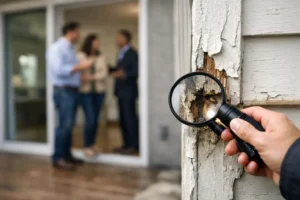
When a purchase decision hinges on a few hours inside a house, the right question is not just whether an inspection happens – it is what does a home inspection cover, and how much clarity it actually gives you before closing.
A professional home inspection is a visual, non-invasive evaluation of a property’s accessible systems and components. Its purpose is to identify material defects, safety concerns, deferred maintenance, and signs that a home may need repair or further specialist review. For buyers, that means fewer surprises after move-in. For sellers and current homeowners, it means a clearer understanding of condition, risk, and next steps.
What does a home inspection cover in a standard inspection?
A standard home inspection covers the home’s major structural elements, core systems, and readily accessible components. The inspection is broad by design. It is meant to give you a reliable condition overview, not a narrow look at only one issue.
In most cases, the inspector evaluates the roof, attic, exterior, grading and drainage, foundation, basement or crawl space, structure, electrical system, plumbing system, heating and cooling equipment, insulation, ventilation, walls, ceilings, floors, windows, and doors. Built-in appliances may also be inspected, depending on the scope of service.
Just as important, an experienced inspector is not only checking whether something works at that moment. The inspection also looks for patterns – moisture intrusion, movement, improper installation, aging materials, amateur repairs, or conditions that could shorten the life of a system. That is where a thorough inspection becomes a decision tool rather than a checklist.
Structural components and the building shell
The structure is one of the most important parts of any inspection because defects here can affect safety, value, and long-term repair costs. Inspectors typically examine the foundation, framing, floor structure, walls, ceilings, and visible signs of settlement or movement.
Not every crack is a structural emergency, and not every sloping floor means the house is failing. Older homes often show normal aging, while newer homes can still have serious installation issues. The inspector’s job is to distinguish between typical wear and signs that warrant concern or further evaluation.
The building shell also matters. Siding, trim, soffits, fascia, exterior penetrations, and visible flashing details can reveal whether the home is managing weather properly. Water is often the most expensive problem in a house, and many major defects begin with small exterior failures.
Roof, attic, and moisture-prone areas
Roof coverings, flashing, penetrations, gutters, and visible drainage conditions are standard inspection items. Inspectors look for missing or damaged materials, signs of active leaks, poor repairs, ponding, and wear consistent with age.
The attic often tells the fuller story. Inside that space, an inspector may identify water staining, inadequate ventilation, improper exhaust termination, damaged framing, or insulation deficiencies. If moisture has been entering for a while, attic evidence is often more revealing than the roof surface alone.
Bathrooms, laundry areas, kitchens, basements, and crawl spaces receive close attention for the same reason. These are common trouble spots for active leaks, hidden deterioration, elevated humidity, and mold-friendly conditions. Advanced tools such as thermal imaging and moisture detection can help confirm anomalies that are not obvious to the naked eye.
Electrical system evaluation
A home inspection typically includes a review of the main electrical panel, visible branch wiring, receptacles, switches, fixtures, and grounding and bonding where accessible. The inspector is looking for defects that affect safety and function, such as double-tapped breakers, improper wiring methods, missing knockouts, overheated conductors, reverse polarity, or lack of required protection in certain areas.
This part of the inspection matters because electrical issues are not always visible during a casual walkthrough. A home can appear clean and updated while still containing unsafe panel conditions, outdated wiring practices, or improperly completed modifications.
That said, a home inspection is not the same as a full electrical engineering analysis. Inspectors do not open every wall or test every conductor under load. They assess visible conditions and operating performance within the limits of a non-invasive inspection.
Plumbing, heating, and cooling systems
Plumbing inspection usually includes visible supply lines, drain and waste lines, fixtures, faucets, water heaters, and functional drainage observations. Inspectors watch for leaks, corrosion, inadequate water pressure, poor drainage, missing safety components, and signs of past plumbing failures.
Heating and cooling systems are also central to what a home inspection covers. The inspector typically operates the furnace, air conditioner, heat pump, or other permanently installed equipment using normal controls when conditions allow. The goal is to assess basic performance, visible condition, and apparent deficiencies.
There are practical limits here too. Inspectors are not performing a full HVAC design review, dismantling equipment, or predicting exact remaining service life. A system may be operational on inspection day and still be near the end of its useful life. That is why strong reporting should separate what is defective now from what is aging and likely to require budgeting soon.
Interior components and livability concerns
Inside the home, inspectors evaluate walls, ceilings, floors, stairways, railings, windows, and doors. They check for signs of damage, improper operation, trip hazards, missing safety features, and evidence that interior finishes may be concealing a larger issue.
For example, a stained ceiling is not just a cosmetic note. It may point to an active roof leak, a plumbing issue, or a past repair that deserves confirmation. A sticking door may be minor seasonal movement, or it could be related to settlement. Good inspection reporting connects symptoms to likely causes when possible.
Built-in kitchen appliances are commonly tested for basic operation, including dishwashers, ranges, garbage disposals, and exhaust fans. These checks are useful, but they are limited to visible condition and normal function at the time of inspection.
What is usually not included
Understanding exclusions is just as important as understanding coverage. A standard home inspection is not a code compliance inspection, warranty, insurance policy, or guarantee against future failure. It also does not usually include destructive testing or concealed conditions behind finished surfaces.
Specialized services may be needed for sewer lines, septic systems, wells, pools, sprinkler systems, detached outbuildings, mold sampling, asbestos, lead-based paint, pests, radon, or detailed structural engineering analysis. Some of these services can be added, while others require separate specialists.
This is where expectations matter. If a property has a steep roof that cannot be safely accessed, limited crawl space access, stored belongings blocking walls, or utilities turned off, the inspection will reflect those limitations. Thorough reporting should clearly document what was inspected, what was not, and why.
Why the report matters as much as the inspection
Two inspections are not equal just because both happened on the same day. The real value comes from the quality of the findings, the clarity of the documentation, and how well the report helps you make a decision.
A useful report should include plain-language explanations, high-resolution photos, and a clear distinction between major defects, safety concerns, maintenance items, and monitor-only conditions. That helps buyers prioritize negotiations, helps sellers address meaningful issues before listing, and helps homeowners plan repairs intelligently.
For high-stakes transactions, speed matters too. A detailed report delivered within 24 hours can keep negotiations moving without forcing clients to make decisions in the dark. That combination of technical depth and practical clarity is what turns inspection information into action.
When a home inspection reveals more than expected
Some properties are straightforward. Others raise questions that call for deeper investigation. A roof leak may lead to hidden insulation damage. An uneven floor may suggest structural movement. A stained basement wall may point to exterior drainage failure rather than a simple interior repair.
That does not always mean the deal should stop. Often, it means the decision should become more informed. You may negotiate repairs, request credits, bring in a specialist, or move forward with a clearer maintenance budget. The inspection is there to reduce uncertainty, not create unnecessary alarm.
For buyers, sellers, and homeowners in Missouri, Archer Professional Inspections approaches that process with the level of thoroughness these decisions deserve – combining detailed fieldwork, advanced diagnostics, and reporting that makes the next step easier to see.
If you are asking what does a home inspection cover, the short answer is the home’s major systems, structure, and visible condition. The better answer is this: a quality inspection gives you evidence, context, and a practical path forward when the property decision matters most.