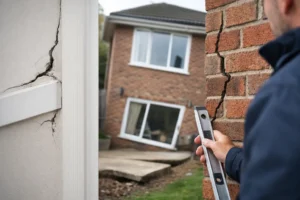
A property can look well maintained during a walkthrough and still carry expensive deferred maintenance, moisture concerns, aging equipment, or code-related issues. For a buyer or investor, the question is not simply whether a report is required. It is whether the decision can withstand the cost of being wrong. Are property condition reports required? Often, no. But in many commercial transactions, they are required by a lender, investor, lease agreement, acquisition policy, or the practical need to quantify risk before closing.
What Is a Property Condition Report?
A property condition report, often called a PCR or property condition assessment, is a documented evaluation of a building’s observable condition. It is commonly used for commercial properties, including office buildings, retail centers, multifamily properties, industrial facilities, healthcare spaces, and institutional assets.
The report generally identifies visible deficiencies, assesses major building components and systems, documents conditions with photographs, and estimates expected repair or replacement needs. It can also include a prioritized repair table and projected capital costs over a defined planning period.
A PCR is not the same as a residential home inspection, although both serve a similar purpose: helping a client understand the property’s condition before making a significant decision. A residential inspection usually focuses on a homebuyer, seller, or homeowner’s immediate concerns. A commercial PCR is more often designed to support acquisition due diligence, lending decisions, asset planning, and ownership-level risk management.
Are Property Condition Reports Required by Law?
In most cases, there is no broad federal law requiring every buyer or owner to obtain a property condition report. Requirements vary by property type, transaction terms, jurisdiction, financing source, and the parties involved.
For example, a private cash buyer may be able to purchase a commercial building without ordering a PCR. That does not mean proceeding without one is wise. The buyer may be accepting unknown repair exposure, limited documentation for future planning, and less leverage if major issues are discovered after closing.
Some local rules may require inspections, certifications, disclosures, or evaluations for particular conditions or occupancy types. Those obligations are separate from a standard PCR and should be reviewed with the appropriate legal, lending, and local code professionals. A qualified inspection firm can document the building’s condition, but it does not replace legal advice or regulatory review.
When a PCR Becomes a Transaction Requirement
Although a law may not demand a report, another party in the transaction often will. The most common source of a PCR requirement is the lender. Commercial lenders want reliable information about the asset securing a loan. They may require a report as part of their due-diligence package before approving or funding financing.
A lender’s requirements can be specific. They may request a report prepared to an established industry scope, expect a defined level of documentation, or require a repair-cost analysis. If notable deficiencies are found, the lender may require repairs before closing, establish a reserve, adjust loan terms, or request additional specialized evaluation.
Investors and acquisition teams frequently require PCRs as well. A purchase price is only one part of an investment decision. Roof replacement timing, façade deterioration, mechanical equipment age, water intrusion, pavement condition, and life-safety concerns can materially affect operating costs and projected returns. A clear report turns these concerns into documented information that can be priced, negotiated, and planned.
A PCR may also be required by a buyer’s internal policy, a lease arrangement, a portfolio manager, an insurer, or a governing board. In these cases, the report provides a consistent record that supports approval decisions and demonstrates that reasonable due diligence occurred.
Situations Where a Report Is Strongly Recommended
A report has value even when no one formally requires it. It is especially useful when a building is older, has changed ownership several times, has incomplete maintenance records, or will be repurposed after purchase. It is also valuable when a property has been vacant, shows evidence of water entry, or includes multiple systems that are nearing the end of their expected service life.
For a single commercial asset, a PCR can identify near-term costs that should shape negotiations. For a portfolio, consistent reports help an owner compare properties, prioritize capital projects, and avoid allocating funds based on assumptions or incomplete maintenance histories.
The same principle applies to residential decisions. A home inspection may not be required for a typical purchase, but waiving it can leave a buyer without a professional assessment of visible conditions. In competitive markets, some buyers choose to limit contingencies. That is a business decision, but it should be made with a clear understanding of the risk being accepted.
What a High-Quality Property Condition Report Should Provide
Not all reports offer the same level of usefulness. A brief checklist may document that an inspection occurred, but it may not give a buyer, lender, or property manager enough information to act. The report should be clear enough for a nontechnical decision-maker while retaining the detail experienced real estate and facilities professionals need.
A dependable PCR typically includes an explanation of the inspection scope, observations of accessible and visible conditions, high-resolution photographs, descriptions of significant deficiencies, and practical recommendations. When capital planning is part of the assignment, it should distinguish between immediate repair needs and anticipated future expenditures.
The best reports also explain limitations. A visual inspection has boundaries. Concealed conditions, inaccessible areas, underground utilities, and components that require destructive testing may fall outside the scope unless separately arranged. Clear limitations protect all parties from treating a visual assessment as a guarantee.
Timing matters, too. A report delivered quickly can keep a transaction moving, but speed should not reduce fieldwork quality or documentation. Archer Professional Inspections combines detailed on-site observations, visual evidence, and plain-language reporting so clients can evaluate findings without losing momentum in a transaction.
PCRs, Specialty Reviews, and the Right Scope
A property condition report is often the starting point, not the final answer. If the assessment identifies active moisture, cracking, drainage failures, equipment concerns, environmental questions, or unusual damage patterns, a more focused review may be necessary. That additional work should be based on evidence from the site, not ordered automatically.
This is where scope matters. Ordering too little information can leave material risks unresolved. Ordering every possible specialty service before there is a reason can add unnecessary cost and delay. A careful initial assessment helps the client target further investigation where it will provide meaningful decision support.
For lenders and investors, confirm the required scope before scheduling the inspection. Ask whether the report must follow a particular standard, include a repair-cost table, address a specific planning horizon, or use lender-provided forms. Clarifying those expectations early prevents a report from being technically sound but unsuitable for the transaction.
How to Decide Whether You Need One
Start with the decision you need to make. If you are acquiring, financing, leasing, managing, or planning capital improvements for a commercial property, a PCR is usually a prudent part of due diligence. If a lender or investor is involved, assume documentation requirements may apply and verify them early.
Then consider the consequence of an undiscovered condition. A minor cosmetic issue may be manageable. An unplanned building-system replacement, chronic water entry, or significant site repair can change the economics of the deal. The greater the potential financial exposure, the stronger the case for a detailed, professionally prepared report.
Before you commit to a property, obtain the level of information needed to make your next decision with confidence. A clear condition report does more than identify defects. It gives you a practical basis to negotiate, budget, plan repairs, or move forward knowing what questions still need answers.