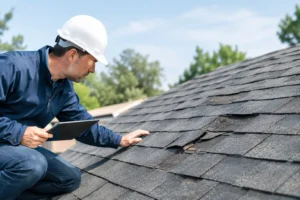
A listing can look market-ready until a buyer’s inspection reveals an active leak, an aging electrical concern, or moisture where no one expected it. This seller prelisting inspection guide explains how an inspection completed before listing can help you identify issues on your timetable, make informed repair decisions, and present the property with greater clarity.
A prelisting inspection is not a promise that a buyer will waive their own inspection or that no future concerns will arise. It is a practical risk-management step. Sellers gain a clearer picture of visible and accessible conditions before negotiations begin, while buyers receive evidence that the seller has approached the transaction thoughtfully.
What a Seller Prelisting Inspection Covers
A professional prelisting inspection evaluates the home’s readily accessible systems and components as they appear on the inspection day. The process commonly includes the roof covering, exterior surfaces, interior rooms, attic areas, foundation, heating and cooling equipment, plumbing fixtures, electrical panels and outlets, insulation, ventilation, and major built-in appliances.
The objective is not to create a repair list for its own sake. A thorough report distinguishes between safety concerns, active defects, maintenance items, and conditions that may require further evaluation by a qualified trade professional. Clear photographs and plain-language descriptions make it easier to understand what was observed and why it matters.
Conditions can change with weather, occupancy, and normal use. An inspection is also noninvasive, meaning walls, finishes, and concealed areas are not opened. Still, advanced tools such as thermal imaging and moisture detection can help identify patterns that are not obvious during a visual review, such as elevated moisture near a plumbing line or temperature differences around an exterior opening.
Why Inspect Before You List?
The strongest reason is control. When a buyer identifies an issue after submitting an offer, the seller is often working against contractual deadlines. That can lead to rushed contractor scheduling, broad repair requests, price reductions, or credits that exceed the likely cost of the work.
A prelisting inspection shifts the timing. You can obtain estimates, compare repair approaches, complete work before photography and showings, or decide to disclose the condition and price the home accordingly. Not every finding needs to be repaired. The right choice depends on the home’s age, the local market, the severity of the concern, and whether the issue affects safety, function, financing, or buyer confidence.
For example, a loose handrail or missing cover plate is usually inexpensive to correct and can prevent a small issue from becoming a negotiation point. A roof near the end of its service life presents a different decision. A seller may choose targeted maintenance, replacement, an adjustment in asking price, or transparent disclosure. A good inspection report supports that conversation with specific observations rather than guesses.
How to Prepare for the Inspection
Preparation helps the inspector assess the property efficiently and reduces avoidable report limitations. The goal is access, not cosmetic perfection. Do not try to hide defects or make temporary fixes that prevent a proper evaluation. Accurate information is more useful than a clean-looking surprise later.
Before the appointment, make sure the inspector can reach the electrical panel, furnace or air handler, water heater, attic access, crawlspace access, garage, and exterior areas. Remove stored items from in front of equipment, unlock gates and sheds, and ensure utilities are on whenever possible. If a system is shut down, clearly communicate that fact.
It is also helpful to gather invoices for recent work, permits when applicable, warranties, and service records for major systems. These documents do not replace an inspection, but they provide useful context. If the roof was serviced last year or the HVAC equipment received seasonal maintenance, records can help answer reasonable buyer questions later.
Read the Report by Priority, Not by Page Count
Detailed reports are meant to document conditions thoroughly. They may include numerous maintenance recommendations, even in well-kept homes. Sellers should avoid treating every note as equally urgent.
Start with items that involve immediate safety concerns, active water intrusion, malfunctioning major systems, or conditions likely to affect ordinary use of the property. Next, consider repairs that are relatively straightforward but highly visible to buyers, such as damaged trim, leaking fixtures, nonfunctioning outlets, or deteriorated caulking.
Then separate routine maintenance from material decisions. Peeling paint on an older fence, a worn weatherstrip, or a slow-draining sink may deserve attention, but these items should be evaluated in context. The report should help you prioritize, not create unnecessary anxiety.
Get the Right Expertise for Specialized Findings
Inspectors identify and document observed conditions, but some findings require follow-up from a licensed specialist. Electrical repairs should be evaluated by an electrician. HVAC performance concerns may require a heating and cooling contractor. Drainage, roofing, plumbing, chimney, pest, or environmental concerns may call for professionals in those fields.
Ask for written estimates that describe the scope of work. This matters because vague bids make it difficult to compare options or explain completed repairs to prospective buyers. Keep invoices, permits, and photos of work performed. Organized documentation can be especially valuable when a buyer’s inspector raises the same topic later.
Repair, Disclose, or Adjust the Price?
There is no single correct response to every prelisting finding. The best approach is often a combination of repair, disclosure, and pricing strategy.
Repairs generally make sense when the condition presents a safety concern, causes active damage, affects a major system, or is likely to distract buyers during showings. Addressing these items early can reduce friction and demonstrate responsible ownership.
Disclosure may be more appropriate when a condition is known, visible, expensive to correct, or dependent on a buyer’s renovation plans. Sellers should follow applicable state disclosure requirements and consult their real estate professional or attorney when they have questions about what must be disclosed. A prelisting report should never be treated as a reason to withhold known information.
A price adjustment can be reasonable when replacement is approaching but the item remains functional. For instance, a seller may decide not to replace an older appliance or worn roof covering before listing. Providing accurate information and setting realistic expectations may be more sensible than completing a large project with limited return.
Use the Inspection to Improve the Listing Process
Once repairs are complete, do not simply file the report away. Review it with your real estate professional to determine how the information should be used in the listing strategy. In some cases, providing a report and repair documentation to serious buyers can reduce uncertainty. In other cases, it may be better to use the findings internally while handling disclosure through the appropriate forms.
The decision depends on market conditions and local practices. A competitive market may not require extensive prelisting work, but transparency still matters. In a slower market, documented maintenance and completed repairs can help distinguish a home from similar listings with unanswered condition questions.
A high-quality inspection report also gives sellers a baseline for responding to a buyer’s inspection. If the buyer identifies an item already documented and repaired, you have records available. If their report identifies something different, you can evaluate it based on evidence rather than reacting under pressure.
Questions Sellers Should Ask Their Inspector
Choose an inspector who can explain findings clearly, not simply produce a long report. Ask what areas will be inspected, whether thermal imaging or moisture detection is used when appropriate, how quickly the report will be delivered, and how photographs are incorporated into the findings.
Also ask how the inspector categorizes urgent concerns versus routine maintenance. A useful report should support decisions by explaining the observed condition, its potential implication, and the recommended next step. Archer Professional Inspections provides detailed visual documentation and timely reporting so sellers can move from uncertainty to an organized plan.
A prelisting inspection does not make a home perfect, nor should it. It gives you the opportunity to present its condition honestly, address the issues that matter most, and enter the sale with fewer unknowns and better documentation.