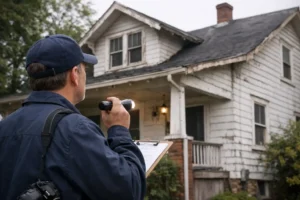
A deal can feel solid right up until a report lands in your inbox and raises a different question than the one you meant to answer. That is where the engineer report vs inspection decision matters. These are not interchangeable services, and choosing the wrong one can cost time, money, and clarity when you need a confident property decision.
For buyers, owners, investors, and property managers, the real issue is not which option sounds more official. It is which service matches the problem you are trying to solve. An inspection is often the right first step when you need a broad, on-site assessment of a property’s current condition. An engineer’s report is typically more targeted and is used when a specific concern needs technical analysis, formal documentation, or support for insurance, legal, or repair decisions.
Engineer report vs inspection: the core difference
The simplest way to understand engineer report vs inspection is scope. A property inspection is designed to evaluate a building’s accessible systems and components and identify visible defects, performance concerns, deferred maintenance, and conditions that may need further review. It is broad by design. It helps clients understand the overall condition of a home, commercial building, or major building systems before making a decision.
An engineer’s report is usually narrower and more diagnostic. Instead of surveying the property as a whole, it focuses on a defined issue or question. That may involve foundation movement concerns, moisture intrusion patterns, floor settlement, cracking, roof framing performance, building envelope distress, storm damage, fire damage, or another condition where the client needs deeper technical analysis and documented conclusions.
That difference in scope changes everything else, including cost, turnaround expectations, and how the report gets used.
What a property inspection is designed to do
A professional inspection is about practical decision support. The inspector evaluates the condition of key systems and building elements, documents findings with photos, and explains what is functioning as expected, what is deficient, and what deserves attention soon. For a homebuyer, that means fewer surprises after closing. For a commercial client, it may support acquisition planning, reserve budgeting, or maintenance prioritization.
An inspection is especially useful when the question is broad. Is this property in acceptable condition for purchase? What major defects are visible today? Which repairs are likely to become near-term costs? Is there evidence of moisture problems, roofing concerns, electrical issues, HVAC deficiencies, drainage problems, or unsafe conditions?
Because the inspection covers many areas in one visit, it is often the most efficient starting point. It gives clients a reliable picture of what is present and what should happen next. In many cases, that is enough to move forward confidently.
What an engineer’s report is designed to do
An engineer’s report is different because it is meant to answer a more focused technical question. It does not replace a broad inspection. It addresses a specific condition that needs analysis beyond a standard inspection scope.
For example, an owner may already know there are recurring wall cracks, sloping floors, chronic water intrusion, or damage after a storm or impact event. At that stage, the client may not need another broad overview. They may need an expert opinion on cause, severity, expected progression, and recommended corrective action. They may also need documentation that stands up better in an insurance claim, legal dispute, contractor disagreement, or major repair planning process.
That is why engineer reports are often requested later in the decision chain. The concern has usually already been identified. Now the goal is technical clarification.
When an inspection is the better first step
In many situations, an inspection should come before any specialized report. If you are buying a home, evaluating a commercial property, preparing to sell, or trying to understand a building’s general condition, starting with a comprehensive inspection is usually the more practical move.
The reason is simple. Most property concerns are not isolated. A moisture stain may relate to roofing, flashing, ventilation, plumbing, or drainage. Uneven floors may involve framing, moisture exposure, age, or prior repairs. A broad inspection captures the surrounding context so you do not fixate on one symptom while missing the larger pattern.
This is also where experienced inspectors add value. Good reporting does not just list defects. It helps you separate routine maintenance from meaningful risk, immediate concerns from watch items, and cosmetic issues from conditions that deserve further specialist review.
When an engineer’s report makes more sense
There are times when a targeted report is the better fit from the start. If the property has known damage, active movement, repeated water entry, disputed repair quality, or a failure that may affect safety, insurability, or legal responsibility, a specialized engineering evaluation may be necessary.
This can also apply when another party has asked for more formal technical documentation. Lenders, insurers, attorneys, contractors, and institutional owners sometimes need a report that addresses a clearly defined issue with technical conclusions and recommendations.
The key point is that these reports are not usually ordered because someone wants more paperwork. They are ordered because a general condition assessment is no longer enough.
The reporting difference matters
Clients often assume the main difference is who writes the report. In practice, the bigger distinction is what the report is built to do.
An inspection report is organized for decision-making across a wide range of property systems. It is practical, visual, and action-oriented. It helps buyers negotiate, owners plan repairs, and managers prioritize maintenance. Clear photos, concise descriptions, and specific recommendations are what make it valuable.
An engineer’s report is more analytical and issue-specific. It may discuss causation, performance implications, observed patterns, and recommended corrective paths in more technical language. Depending on the purpose, it may be used in a claim file, a dispute, or a repair design process.
Neither format is better in every case. Each is stronger when matched to the right need.
Cost, speed, and scope trade-offs
If you are comparing engineer report vs inspection, cost is usually part of the conversation. A broad inspection is generally more cost-effective when you need a full picture of the property. It can cover many systems in one engagement and often delivers actionable results quickly.
A specialized report tends to cost more because it is narrower, more technical, and often tied to a higher-stakes problem. It may also require more analysis after the site visit. That added cost can be worthwhile when the issue affects liability, major repair expense, or whether a transaction should proceed at all.
Speed is another trade-off. A standard inspection process is usually optimized for fast turnaround because clients are often on a contract deadline. A targeted engineering analysis may take longer depending on the complexity of the issue and the level of documentation required.
How to choose the right service
Start with the question you actually need answered. If you need to understand a property’s overall condition, likely repair items, and visible risks, book an inspection. If you already know the problem area and need technical analysis of that specific issue, a specialized report may be the better path.
It also helps to ask how the findings will be used. If the report is mainly for your own purchase decision or maintenance planning, an inspection may be exactly what you need. If it is going to an insurer, attorney, or contractor in a disputed situation, the documentation requirements may be different.
For many clients, the smartest path is sequential. Start with a thorough inspection. Then, if the findings point to a condition that needs deeper analysis, move to a targeted engineering evaluation. That approach avoids overspending too early while still giving you a path to stronger documentation when the facts require it.
At Archer Professional Inspections, this is where careful scoping matters. The best service is not the most complex one. It is the one that gives you the clearest answer, in the right format, for the decision in front of you.
A good property assessment should reduce uncertainty, not add to it. If you are weighing engineer report vs inspection, focus less on labels and more on the outcome you need. The right report should help you act with clarity, whether that means moving ahead, negotiating repairs, planning improvements, or pressing pause before a costly mistake becomes your problem.