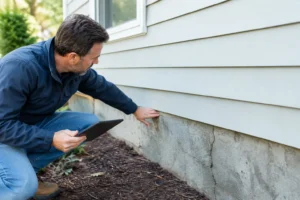
A sale can go sideways fast when the buyer’s inspection turns up problems no one expected. That is why many homeowners ask, when should sellers inspect homes – before listing, after repairs, or only if the house is older? The short answer is that sellers usually benefit most from an inspection before the property goes on the market, but the right timing depends on the home’s condition, your repair budget, and how much uncertainty you want to remove from the transaction.
For most sellers, a pre-listing inspection creates clarity early. Instead of waiting for the buyer’s inspector to define the condition of the home, you get a detailed look at major systems and visible defects before negotiations begin. That can change the tone of the entire sale. You are no longer reacting under deadline pressure. You are making informed decisions with time to compare repair options, gather documentation, and price the property with better support.
When should sellers inspect homes before listing?
In many cases, the best window is two to six weeks before the home hits the market. That timing gives sellers enough room to review findings, make worthwhile repairs, and update disclosures without creating unnecessary delay. If the inspection uncovers moisture intrusion, roofing concerns, aging HVAC equipment, electrical defects, or plumbing issues, you still have time to address them before buyers are walking through the property.
If you inspect too early, the report can become stale, especially if the house sits for months before listing. Conditions change. New leaks appear, appliances fail, and deferred maintenance continues. If you inspect too late, you may not have enough time to act on the report, which limits the value of getting ahead of buyer objections.
A practical middle ground is to schedule the inspection once you are seriously preparing to sell. That usually means you have already decided on a likely listing timeline, started cleaning and decluttering, and have a sense of whether you want to make updates before going live.
Why timing matters more than many sellers expect
A seller inspection is not just about finding defects. It is about controlling the sequence of events in a transaction. Once a buyer is under contract, every issue feels more urgent. Repair requests come with deadlines. Credits affect net proceeds. Emotions rise because both sides are trying to protect their interests while staying on schedule.
By inspecting first, sellers can slow that process down and make better decisions. Some issues are worth repairing because they are likely to concern nearly every buyer. Others may be better handled through pricing, disclosure, or a repair credit. Without an inspection, those choices are based on assumptions. With one, they are based on documented conditions.
This matters even more in transactions involving older homes, inherited properties, rental homes, or houses that have not had a recent professional evaluation. In those situations, there is often a gap between what the seller believes is true and what a buyer’s inspector is likely to report.
When should sellers inspect homes in specific situations?
There is no single rule for every property. The answer changes with the facts of the sale.
If the home is older, a pre-listing inspection is often a smart move. Older homes can have layered maintenance issues that are not obvious during day-to-day living. A seller may know the house functions well while still being unaware of safety concerns, hidden moisture, worn components, or installation defects that will appear in a buyer’s report.
If the seller recently completed major repairs or improvements, an inspection before listing can help verify current condition and identify any remaining concerns nearby. For example, a roof replacement, plumbing work, or HVAC update may solve one problem while leaving other age-related issues in place. Knowing that distinction helps sellers present the property more accurately.
If the home is being sold as part of an estate or after a long rental period, a seller inspection can be especially valuable. In these cases, the current owner may not have lived in the property recently, so their knowledge of its condition may be limited. An inspection provides a clearer baseline and supports more accurate disclosure.
If the market is moving quickly, some sellers assume they can skip a pre-listing inspection because demand is high. That can work, but it does not remove risk. Even in a competitive market, buyers may still inspect, renegotiate, or walk away over serious findings. Fast markets reduce some friction, but they do not eliminate the impact of material defects.
What a pre-listing inspection helps sellers do
A good inspection report gives sellers options. That is the real advantage.
First, it helps prioritize repairs. Not every issue needs to be fixed before listing. A detailed report can help separate defects that are likely to disrupt financing, trigger buyer concern, or raise safety questions from smaller maintenance items that are less likely to affect the deal.
Second, it supports more confident pricing. Sellers and agents can evaluate the home’s condition with better precision instead of relying only on cosmetic appearance or past assumptions. If the report shows the house is in stronger condition than expected, that can reinforce pricing strategy. If it reveals costly concerns, it is better to know that before the market does.
Third, it reduces surprises during escrow. No inspection can guarantee a completely smooth transaction, because buyers may still order their own inspection and different inspectors may emphasize different items. But pre-listing knowledge often leads to fewer last-minute repair demands and more productive negotiation.
Finally, it improves disclosure quality. Sellers are generally expected to disclose known issues honestly. A professional inspection can help identify conditions that should be documented clearly, which protects everyone involved and lowers the chance of future disputes.
Should sellers fix everything before listing?
Usually, no. That is one of the most common misconceptions.
A seller inspection does not create an obligation to make every recommended repair. It creates an opportunity to decide what is worth doing. Some items should be addressed because they affect habitability, function, or buyer confidence. Others may not deliver a meaningful return. Spending heavily on low-impact fixes can reduce your net proceeds without making the sale easier.
This is where professional reporting matters. A well-organized inspection with clear photos and practical explanations helps sellers understand severity and likely buyer reaction. That is very different from working off guesswork or a contractor’s verbal opinion alone.
In many cases, the best approach is selective repair paired with accurate disclosure. Handle the issues most likely to raise concern, keep records of completed work, and be transparent about the rest. Buyers tend to respond better when they see a seller who has taken the condition of the home seriously.
Cases where waiting may make sense
There are situations where a seller may choose not to inspect before listing, or may delay the inspection.
If the property is being marketed primarily for land value, major renovation, or investor purchase, the seller may decide that a traditional pre-listing inspection offers limited strategic value. If the expected buyer already plans to overhaul the property, detailed findings may have less influence on negotiations.
A seller may also wait if they are still deciding whether to complete substantial updates first. In that case, an inspection after the work is finished may provide a more accurate picture of the home’s market-ready condition.
Even then, waiting should be a deliberate choice, not just a way to avoid uncomfortable information. Unknown defects do not become less significant because they were discovered later.
Choosing the right inspection partner
For sellers, speed and clarity matter almost as much as technical accuracy. The report needs to be detailed enough to support decisions, but organized in a way that makes next steps obvious. High-resolution photos, clearly labeled findings, and plain-language recommendations are essential when real estate timelines are tight.
This is also why many sellers prefer an inspection company that can identify moisture-related concerns, evaluate major systems carefully, and deliver reporting quickly. Archer Professional Inspections approaches pre-listing evaluations with that decision-support mindset, giving sellers a thorough assessment they can actually use.
The best time is before the deal gets complicated
If you are asking when should sellers inspect homes, the most useful answer is this: inspect before the listing goes live if you want the broadest set of options. That timing gives you room to repair, disclose, price, or negotiate from a position of knowledge instead of pressure.
Selling a property always involves trade-offs. You may choose speed over perfection, or credits over repairs, or disclosure over further investment. The key is making those choices with reliable information. A good inspection does not just identify problems. It gives you a clearer path forward when the stakes are high.