A report lands in your inbox, it is 40 pages long, and the first photo shows staining, cracking, or a damaged panel. For many buyers, owners, and property managers, that is the moment anxiety spikes. Knowing how to read inspection findings can turn that reaction into a practical next step. A good report is not just a list of defects. It is a decision tool that helps you understand condition, risk, timing, and what deserves attention now versus later.
The most common mistake is reading an inspection report like a pass-fail document. Properties do not pass or fail in the way many people expect. Even well-maintained buildings usually have findings. The real job is to sort those findings by significance, confirm what they mean in context, and decide what action fits your situation.
How to read inspection findings without overreacting
Start with the big picture before you study individual comments. Most inspection reports are organized by systems or building areas, and that structure matters. Read the summary first if one is provided, but do not stop there. A summary highlights notable concerns, not every observation that may affect maintenance planning, budgeting, or negotiations.
As you move through the report, pay attention to three things at the same time: what was observed, why it matters, and what action is recommended. Those three pieces together are more useful than the defect alone. For example, a note about elevated moisture is not just about a wet area. It may point to active leakage, previous damage, or conditions that could worsen if left unresolved.
Language also matters. Terms such as deficient, deteriorated, damaged, not functioning as intended, or nearing the end of service life are not interchangeable. They describe different conditions and different levels of urgency. If a component is described as worn, that may indicate routine aging. If it is described as unsafe or actively leaking, that usually moves to the front of the line.
Understand what the inspector is actually saying
Inspection findings are often brief because the report is meant to be clear, not overloaded with unnecessary narrative. That means every sentence tends to carry weight. A typical finding includes the location, the observed condition, and a recommendation. Read all three parts together.
If a report states that an electrical component showed signs of overheating at the main panel, that is more meaningful than simply seeing the word electrical in a summary. The location tells you where the issue exists. The observation tells you what was visible at the time of inspection. The recommendation tells you what should happen next, whether that means repair, monitoring, maintenance, or further evaluation by a qualified specialist.
It also helps to understand the limits of an inspection. Findings are based on visible and accessible conditions at the time of the visit. That does not weaken the report. It defines the scope honestly. If an area is concealed, blocked, or not safely accessible, the report may note that limitation. In practical terms, a limitation is not a defect, but it can still affect your decision because unknown conditions may remain.
Why photos matter more than people realize
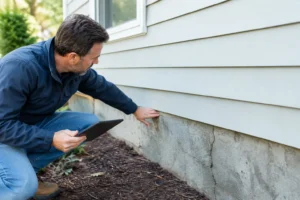
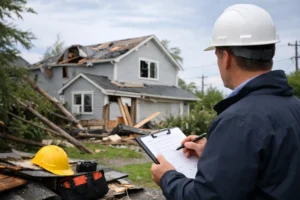
High-resolution photos are not there to make the report look polished. They provide evidence, context, and orientation. A close-up image may show corrosion, separation, staining, or missing material, while a wider shot shows where that issue sits within the property.
When reading a report, compare the written finding to the image. Ask yourself whether the photo supports the description and whether the issue appears isolated or part of a larger pattern. One small water stain under a window can mean something very different from repeated staining at multiple openings. Visual documentation helps you see that difference.
Photos are also useful after the transaction or repair process. They create a baseline. If the same area is reviewed months later, you have a documented point of comparison.
How to read inspection findings by priority
Not every finding deserves the same response. Some are immediate concerns. Some are budgeting items. Some are routine maintenance. If you treat all findings as equally urgent, the report becomes overwhelming.
A practical way to read the report is to sort findings into four buckets: safety concerns, active intrusion or damage, non-functioning components, and deferred maintenance or aging materials. This approach works for both residential and commercial properties because it aligns the report with real-world decisions.
Safety concerns generally come first because they may affect occupants or create immediate liability. Active intrusion or damage, such as ongoing moisture entry, often comes next because delay can make the condition more expensive. Non-functioning components matter because they affect operation and may disrupt occupancy or closing expectations. Deferred maintenance is still important, but it usually belongs in a planning conversation rather than a panic response.
This is where context matters. A worn roof covering on a home purchase may become a negotiation issue. On a commercial asset, the same finding may be more about reserve planning, remaining service life, and repair timing. The condition may be similar, but the decision framework is different.
Watch for wording that signals urgency
Some reports use categories, while others rely more on wording. Phrases like immediate attention recommended, active leakage observed, unsafe condition, or significant deterioration usually indicate higher priority. Phrases like monitor, maintain, budget for replacement, or service as needed tend to indicate lower urgency.
That said, wording is not everything. A minor issue repeated throughout the report can be more meaningful than one isolated defect. Multiple small moisture-related observations across different areas may point to a broader water management problem, even if no single line sounds dramatic.
Read findings in relation to the property decision
The same report can mean different things depending on why you ordered the inspection. A buyer is often focused on risk, repair costs, and negotiation leverage. A seller may be looking for issues to address before listing or before they interrupt a deal. A homeowner may use the findings to prioritize maintenance over the next one to three years. A commercial client may need documentation to support acquisition due diligence, capital planning, tenant improvements, or insurance discussions.
That is why the best way to read findings is not just to ask, Is this bad? Ask, What does this mean for my next decision?
For example, if the report identifies aging HVAC equipment that is still operating, the right question may not be whether it must be replaced tomorrow. The better question may be whether you should budget for replacement soon, request service records, or negotiate based on likely near-term cost. If the report notes moisture indicators at a wall finish, your next step may be less about cosmetic repair and more about identifying the source before damage spreads.
When to ask follow-up questions
A strong report should be plain enough to understand, but that does not mean every finding will be self-explanatory to every reader. Follow-up questions are part of using the report well, not a sign that the inspection failed.
Ask questions when you cannot tell how urgent a finding is, when the recommendation is broader than you expected, or when multiple findings may be related. It is also reasonable to ask whether a condition appears active, long-term, isolated, or likely to affect other areas.
For commercial readers, follow-up may focus on repair scope, operational impact, or documentation standards. For residential readers, it often focuses on cost exposure, timing, and whether a defect should change the purchase decision. In both cases, clarity matters more than jargon.
A firm like Archer Professional Inspections builds reports to support that kind of decision-making, not just to document defects. The goal is practical clarity backed by careful observation.
What not to do when reviewing a report
Do not skim only the summary and assume you have the full picture. Do not fixate on the total number of findings without considering severity. And do not treat inspection findings as a bid document. The report identifies observed conditions and recommended next steps, but repair pricing and repair methods usually require contractors or specialists.
It is also unwise to ignore moderate findings because they are not urgent today. Many expensive property problems begin as manageable maintenance items. The value of a detailed report is that it gives you a chance to act before conditions worsen.
The most productive reading of an inspection report is calm, organized, and tied to action. Read for meaning, not just defects. Look for priority, pattern, and recommended next steps. Once you understand how to read inspection findings that way, the report stops feeling like bad news and starts working the way it should – as a clear guide for making the next property decision with confidence.