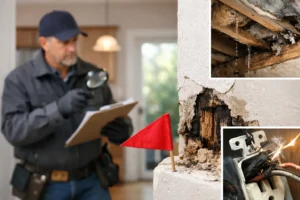
A deal can look solid on paper and still fall apart once the property is examined. That is why home inspection versus appraisal is such a common point of confusion for buyers, sellers, and even investors. Both happen around the same time in many transactions, but they serve very different purposes and answer very different questions.
An appraisal is about value. A home inspection is about condition. If you are buying, selling, refinancing, or reviewing risk before a major decision, knowing the difference helps you interpret the results correctly and avoid expensive assumptions.
Home inspection versus appraisal: the core difference
The simplest way to separate them is this: an appraiser estimates what a property is worth in the current market, while an inspector evaluates how the property is performing and where defects, wear, or hidden concerns may exist.
That distinction matters because a house can appraise at or above the contract price and still have significant issues. The reverse can also happen. A well-maintained home may receive a lower appraisal because of neighborhood sales, market timing, or comparable properties nearby.
In other words, one process protects the lender’s financial position. The other gives the buyer or owner a clearer picture of the building itself.
What an appraisal is designed to do
An appraisal is typically ordered by the lender during a financed real estate transaction. The lender wants an independent opinion of value to confirm the property supports the loan amount. If the contract price is $450,000 and the appraisal comes in at $420,000, the lender may not finance the full amount the buyer expected.
The appraiser considers factors such as square footage, location, recent comparable sales, overall market conditions, site characteristics, room count, and visible property features. The report is focused on market value, not a comprehensive defect analysis.
That last point is where misunderstandings usually start. Buyers sometimes assume an appraisal gives them protection against property problems. It does not. While an appraiser may note obvious issues that affect value or marketability, the assignment is not the same as a full condition assessment.
What a home inspection is designed to do
A home inspection is ordered to evaluate the property’s visible and accessible components and provide practical insight into condition. The purpose is not to set a price. The purpose is to identify concerns, document findings, and help the client make an informed decision.
A thorough inspection typically reviews roofing, exterior surfaces, grading, drainage, foundation performance indicators, windows, doors, attic spaces, insulation, interior rooms, plumbing, electrical systems, HVAC equipment, and signs of moisture intrusion or past damage. Advanced methods such as thermal imaging and moisture detection can add another layer of insight where conditions warrant it.
The value of the inspection is not just in finding defects. It is in understanding their significance. Some findings are maintenance items. Some are budget planning issues. Some raise immediate safety or functional concerns. A strong inspection report helps the client sort those categories clearly instead of reacting to every note with the same level of concern.
Why lenders care about one and buyers need the other
The lender is primarily concerned with collateral. If the borrower defaults, the lender wants confidence that the property has sufficient market value relative to the loan. That is why appraisals are often required.
The buyer, on the other hand, is taking on the day-to-day reality of ownership. A buyer needs to know whether the electrical panel shows concerns, whether the roof may be near the end of its service life, whether drainage is directing water toward the home, or whether HVAC equipment is operating as expected. Those details influence negotiation, budgeting, timing, and peace of mind.
This is why skipping an inspection because the appraisal came back fine is a risky move. The appraisal may support the purchase price while leaving major repair costs undiscovered.
Home inspection versus appraisal in a real transaction
Picture a buyer under contract for a home that appraises exactly at asking price. On the surface, that sounds like good news. The financing is likely still on track, and the contract price appears supported by the market.
Then the inspection reveals active moisture staining in the attic, deferred exterior maintenance, an aging water heater, and cooling equipment with poor performance. None of those findings automatically change the appraised value in a meaningful way, but they absolutely affect the buyer’s decision and future expenses.
Now flip the scenario. The inspection report is clean overall, with only typical maintenance recommendations, but the appraisal comes in low because recent comparable sales do not support the contract amount. In that case, the condition may be acceptable, but the financing and deal structure still need to be addressed.
Both examples show the same point: value and condition overlap sometimes, but they are not interchangeable.
Who attends and what the process feels like
A home inspection is usually a more interactive process for the client. Buyers often attend at least part of the inspection, ask questions, and walk through major findings on site. The report that follows should be organized, detailed, and easy to act on, with clear visual documentation and practical recommendations.
An appraisal is typically less interactive for the buyer. The appraiser inspects the property, gathers market data, completes the valuation analysis, and sends the report through the lender’s process. The buyer may not be directly involved beyond receiving the result later.
That difference shapes expectations. An inspection is a decision-support tool. An appraisal is a valuation product used in lending and transaction review.
What sellers should know before listing
Sellers benefit from understanding home inspection versus appraisal as well. If you are preparing to list, a pre-listing inspection can surface issues early, giving you time to make repairs, gather documentation, or price the property with fewer surprises during escrow.
An appraisal may still become part of the transaction once a buyer’s lender orders one, but sellers have less control over that step. What they can control is condition, presentation, and documentation. Addressing known issues before listing often reduces renegotiation pressure later.
This is especially useful when a property has older systems, deferred maintenance, or a history of moisture problems. Clear information almost always creates a smoother negotiation environment than uncertainty does.
Where people make costly mistakes
One common mistake is treating the appraisal as a lighter version of an inspection. It is not. Another is assuming every inspection finding should reduce the sale price dollar for dollar. That is not always reasonable either.
Real estate decisions live in the middle ground. A worn but functioning system is different from a failed one. A maintenance recommendation is different from a safety concern. Cosmetic wear is different from active water intrusion. Good reporting helps clients separate those issues and respond proportionally.
There is also the mistake of focusing only on closing. Buyers sometimes ask, “Will this kill the deal?” A better question is, “What will ownership look like over the next one to five years if I move forward?” That is where an inspection becomes especially valuable. It turns a short-term transaction question into a longer-term planning tool.
When both matter beyond a home purchase
The same distinction applies outside a standard residential sale. Owners may need an appraisal for refinancing, estate planning, tax disputes, or asset management. They may need an inspection for maintenance planning, insurance documentation, due diligence, or evaluating building performance before making repairs.
For commercial stakeholders, the gap between value and condition can be even more significant. A property may appear financially attractive based on income or comparable sales while still carrying deferred maintenance, moisture concerns, roofing issues, or aging systems that affect operating costs. That is why many experienced buyers want both valuation insight and a thorough physical assessment before committing capital.
So which one do you need?
If your question is about market value, lending support, or how a property compares to recent sales, you are talking about an appraisal. If your question is about defects, performance, repair exposure, or whether the property is actually in the condition you expect, you are talking about an inspection.
In many transactions, the answer is not one or the other. It is both. They simply do different jobs.
The better approach is to stop asking which one is more important and start asking which risk you are trying to reduce. Price risk and condition risk are not the same thing. When you understand that, you make better decisions, negotiate more effectively, and walk into ownership with fewer surprises.
If you are evaluating a property, clear information is never extra. It is part of protecting the investment before the paperwork becomes permanent.