A wall can look clean, dry, and recently painted while moisture is active behind it. An electrical panel can appear orderly while one connection is running hotter than the surrounding components. Thermal imaging gives an inspector another way to look for these conditions before they become expensive surprises.
For buyers, owners, investors, and property managers, the value is not a colorful camera image. It is the added evidence that helps direct attention to areas requiring closer evaluation. Used correctly, infrared technology can reveal temperature differences that may point to moisture intrusion, insulation gaps, air leakage, electrical concerns, or roof-related issues.
What Thermal Imaging Actually Shows
Thermal imaging detects infrared energy and translates surface temperature differences into a visual image. Warmer and cooler areas appear in contrasting colors or shades, allowing an inspector to identify patterns that are difficult or impossible to see with the naked eye.
The camera does not see through walls, roofs, or floors. That distinction matters. It records temperatures at the surface it can view, then a trained inspector interprets whether an unusual pattern may be connected to a concern behind or within that surface.
A cool area on a ceiling, for example, may suggest moisture, but it could also be caused by missing insulation, an air leak, a recently cooled surface, or changing outdoor conditions. A warm electrical component may indicate excess resistance, but the finding must be considered alongside load conditions, component type, age, and visible evidence. Thermal images are diagnostic clues, not stand-alone conclusions.
Where Thermal Imaging Adds Value During an Inspection
A thorough property inspection combines visual observation, experience, moisture detection, accessible-system evaluation, and clear documentation. Infrared scanning is especially useful because it can help identify where additional investigation is warranted without opening finished surfaces.
Moisture patterns behind finished surfaces
Water does not always announce itself with staining or obvious damage. A slow plumbing leak, window leak, flashing issue, or roof leak may create a cooler pattern as moisture evaporates from a surface. In some cases, a damp area may present differently depending on the weather, the material involved, and how long the moisture has been present.
When a thermal pattern raises concern, an inspector may compare the area with nearby surfaces, use a moisture meter where appropriate, examine accessible components, and document the location carefully. This layered approach helps distinguish a meaningful finding from a normal temperature variation.
Insulation gaps and air leakage
Uneven insulation, open penetrations, poorly sealed attic access panels, and gaps around windows or doors can create noticeable temperature differences. These conditions may contribute to comfort complaints, higher heating and cooling costs, condensation risk, or uneven room temperatures.
Timing affects what the camera can detect. A strong temperature difference between indoors and outdoors often makes insulation and air-leak patterns easier to identify. During mild weather, those patterns may be less pronounced. That does not make the inspection less valuable, but it does affect what can reasonably be observed on that particular day.
Electrical components with unusual heat
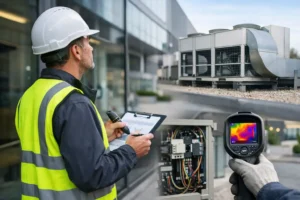
Electrical issues deserve careful attention because excessive heat can be associated with loose connections, overloaded components, failing equipment, or other defects. During an inspection, thermal scanning may identify a breaker, conductor, receptacle, or connection that is noticeably warmer than comparable components.
Interpretation requires judgment. Electrical equipment must be operating under sufficient load for heat patterns to develop, and some components naturally run warmer than others. When an unusual condition is observed, the report should clearly identify its location, describe the evidence, and recommend the appropriate next step, such as evaluation or repair by a qualified electrician.
Roof, exterior, and building-envelope concerns
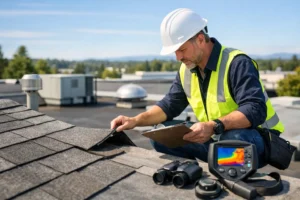
On certain properties, infrared observations can help identify areas that warrant closer review for moisture intrusion, heat transfer, or concealed defects. Flat roofs, exterior wall assemblies, window openings, and transitions between materials can be common areas of concern, particularly when there is a history of leakage or occupant complaints.
Results depend heavily on site conditions. Recent rain, direct sunlight, cloud cover, surface material, wind, and the time of day can all influence thermal patterns. A quality inspection does not overstate what a single image proves. It documents the observation, explains its significance, and recommends further evaluation when the evidence supports it.
Why Training Matters More Than the Camera
Infrared cameras are more accessible than ever, but equipment alone does not create a reliable inspection result. A camera can capture a temperature difference. It cannot determine why that difference exists.
Accurate interpretation requires an understanding of how materials absorb and release heat, how reflective surfaces can create misleading images, and how weather conditions influence readings. Metal, glass, glossy finishes, and reflective roofing materials can display reflected temperatures rather than their own actual surface conditions. Without proper training, it is easy to mistake a reflection for a defect.
The inspector must also understand the property systems being evaluated. A thermal anomaly should be considered in context: What is on the other side of the surface? Is there an active heat source nearby? Has the HVAC system been operating? Is the area exposed to sunlight? Are moisture readings elevated? These questions turn a colorful image into useful decision-support information.
What to Expect in a Professional Report
A useful inspection report should not overwhelm a client with infrared images that lack explanation. It should connect the finding to the property, the potential concern, and a practical recommendation.
For example, a report may document an anomalous cooler area at a ceiling below a plumbing fixture, note whether elevated moisture was detected, include visual and thermal images, and recommend timely evaluation by the appropriate qualified professional. That is far more useful than simply labeling the image “possible leak.”
For commercial clients, thermal observations can support maintenance planning, due diligence, repair prioritization, and discussions with contractors or insurers. For homebuyers, the same information can help clarify whether a concern should be addressed before closing, budgeted after purchase, or investigated further before a decision is made.
Clear reporting also includes limitations. Not every surface is accessible, not every issue creates a detectable temperature difference, and environmental conditions may limit the scope of thermal observations. Candor about those boundaries is part of a careful inspection process.
When Thermal Imaging Is Most Useful
Thermal imaging can add value during buyer inspections, homeowner evaluations, commercial property assessments, leak investigations, and targeted reviews of recurring comfort or moisture concerns. It is particularly helpful when a property has limited visible evidence but there is reason to look more closely.
It should not be treated as a substitute for invasive testing, laboratory analysis, electrical testing, or specialty evaluation when those services are needed. If a thermal pattern suggests a concealed issue, further investigation may still be necessary to confirm the source, extent, and repair method.
At Archer Professional Inspections, thermal imaging is used as part of a broader, evidence-based inspection process. The goal is not to create alarm from a temperature variation. It is to identify credible concerns, document them clearly, and provide recommendations that help clients make informed property decisions.
A good inspection does more than identify what is visible at first glance. It helps you ask the right next question before a hidden condition has the chance to become a costly one.