A commercial building can look lease-ready from the parking lot and still carry expensive problems behind ceiling panels, inside mechanical rooms, or below finished flooring. Commercial inspection services give buyers, owners, lenders, and property managers a documented view of the conditions that can affect cost, operations, and future decisions. The purpose is not to create alarm. It is to replace assumptions with clear evidence before a commitment becomes harder or more expensive to change.
For a small retail suite, a multi-tenant office building, an industrial facility, or a portfolio acquisition, the right scope depends on the decision at hand. A transaction may require a broad property condition assessment. A recurring maintenance concern may call for a targeted evaluation. The most useful inspection is the one designed around the property, its use, its age, and the questions decision-makers need answered.
What Commercial Inspection Services Evaluate
A commercial inspection is a systematic assessment of accessible building components, site conditions, and major systems. The inspection team documents observable conditions, identifies defects or signs of deterioration, and explains where further review, repair, monitoring, or budgeting may be appropriate.
The exact work varies by property and agreement, but a comprehensive commercial scope commonly considers the building exterior, roof coverings and drainage, interior spaces, accessible electrical components, plumbing, heating and cooling equipment, fire and life-safety features, paving, walkways, grading, and visible moisture concerns. It may also address site amenities, loading areas, retaining features, or specialized systems that matter to the property’s operation.
The distinction between an inspection and a guarantee matters. Inspectors evaluate conditions that are visible and accessible at the time of the visit. They do not dismantle finishes, predict the precise remaining life of every component, or test every device in a large facility unless the scope specifically calls for it. Clear limitations are not a weakness in the report. They define what was examined and help clients decide whether additional specialty evaluation is warranted.
Why a Building Walkthrough Is Not Enough
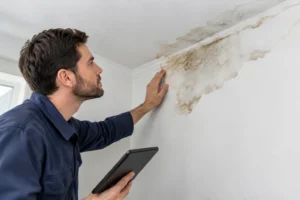
Experienced investors and facility managers know how to spot obvious issues. A walkthrough can reveal stained ceiling tiles, cracked pavement, aging equipment, or a neglected roofline. It may not show whether a stain reflects an active moisture source, whether equipment is operating as expected under current conditions, or whether several minor findings point to a larger maintenance pattern.
Professional commercial inspection services add process and documentation to the visual review. Inspectors organize observations by system and location, capture high-resolution images, distinguish between immediate concerns and items to plan for, and translate technical conditions into practical next steps. This gives the client something more useful than a list of defects: a decision-support record.
That record can support negotiations during an acquisition, clarify repair requests before a lease commitment, guide capital planning, or establish a baseline for a newly managed property. For organizations with multiple stakeholders, it also creates a shared reference point. The owner, asset manager, lender, contractor, and insurer can work from the same documented conditions rather than separate impressions of the property.
The Questions to Settle Before Scheduling
The strongest inspection begins before anyone arrives on site. Clients should identify the decision the report needs to support. Is the goal to understand acquisition risk? Build a repair budget? Investigate recurring water intrusion? Document current conditions for an insurance matter? Verify work after a renovation? Each goal calls for a different level of detail.
Property information also affects the scope. Providing available plans, prior reports, repair records, equipment lists, leases, and known problem areas can make the on-site review more efficient and focused. A vacant warehouse, an occupied medical office, and a restaurant have different access requirements and different systems that may deserve attention.
Access is especially important. Roof hatches, electrical rooms, mechanical spaces, tenant areas, and secure utility areas should be arranged in advance whenever possible. If a critical area cannot be accessed, the final report should say so plainly. A report that hides access limitations can create false confidence. A report that documents them gives the client a clear follow-up task.
How to Read a Commercial Inspection Report
A valuable report does more than state that an item is deficient. It identifies where the condition was observed, describes what was seen, includes photographs when helpful, and explains the likely operational or financial relevance. It should also separate observed facts from recommendations and avoid presenting assumptions as certainty.
Prioritization is where many reports either become useful or become overwhelming. Not every finding deserves the same response. A damaged handrail, active water entry, exposed wiring, or a condition affecting occupant safety may require prompt action. Aging finishes, minor sealant wear, or a component nearing the end of its expected service period may be better handled through planned maintenance or a future capital budget.
The appropriate response depends on occupancy, building use, local requirements, financing terms, and risk tolerance. A condition that is manageable in a vacant property may demand faster action in a busy facility serving the public. The report should help clients understand that difference without overstating what can be known from a noninvasive inspection.
When reviewing findings, ask practical questions: What needs attention now? What can be monitored? What should be priced by a qualified contractor? What records or testing would reduce uncertainty? These questions turn the report into an action plan.
Technology Helps, but Judgment Leads
Advanced tools can improve an inspection when they are used for the right purpose. Thermal imaging may help identify temperature variations associated with missing insulation, moisture patterns, or electrical irregularities. Moisture detection tools can help assess areas with staining, odor, or suspected water entry. High-resolution imaging provides a reliable visual record of conditions observed on site.
These tools do not replace experience or confirm every cause on their own. A temperature variation is an observation, not an automatic diagnosis. A moisture reading requires context, including material type, recent weather, plumbing activity, and the location of the affected area. The value comes from combining tools with careful observation, sound building knowledge, and a report that explains what the findings do and do not establish.
That balance is particularly important when a report may be used in a transaction, insurance claim, or dispute. Clear documentation can be highly valuable, but it must remain accurate about the scope of the evaluation and the limits of the available evidence.
Choosing the Right Commercial Inspection Partner
Commercial properties are not interchangeable, and neither are inspection providers. Look for a firm that can explain its proposed scope in plain language, identify what is included and excluded, and adjust the work to the property’s purpose. The provider should be prepared to coordinate with property contacts, respect operating schedules, and deliver reporting that is organized enough for both nontechnical decision-makers and experienced real estate professionals.
Speed matters, particularly during due diligence periods, but speed should not mean thin documentation. Archer Professional Inspections pairs thorough on-site assessment with detailed reporting, high-resolution visual documentation, and actionable recommendations so clients can move from findings to informed next steps. For many commercial decisions, timely reporting within 24 hours can keep negotiations, repair planning, and approvals moving without sacrificing clarity.
It is also reasonable to ask how the firm handles specialized concerns. A general commercial inspection may identify conditions that should be reviewed by a roofing contractor, electrician, HVAC professional, environmental consultant, or another qualified specialist. A dependable inspector does not blur those lines. They identify the concern, document why it matters, and recommend the appropriate next level of evaluation when needed.
Use Findings Before They Become Surprises
The best time to address a building condition is often before it interrupts operations, affects a transaction, or becomes visible to customers and tenants. That does not mean every finding needs an immediate repair. It means every finding should receive an intentional decision: repair it, monitor it, obtain further evaluation, or incorporate it into the budget.
A well-executed inspection gives commercial property stakeholders the evidence to make that decision with greater confidence. Schedule the assessment early enough for the findings to be useful, make key areas accessible, and treat the final report as a working document for the property rather than a file to be stored away.