A showing can look spotless at 2 p.m. and still hide moisture issues in the attic, aging electrical components, or roofing wear that only shows up under close evaluation. That is why choosing the right Missouri home inspection company matters so much. When a property decision involves six figures, timelines, and negotiation pressure, you need more than a checklist. You need reliable findings, clear documentation, and reporting that helps you act.
For most buyers and sellers, the real question is not whether to get an inspection. It is how to tell the difference between a basic service and one that gives you meaningful decision support. In Missouri, that difference can be significant because homes vary widely by age, construction style, maintenance history, and exposure to heat, humidity, storms, and seasonal moisture.
What a Missouri home inspection company should actually deliver
A strong inspection service does more than point out visible defects. It evaluates the condition of major systems and accessible components, documents concerns with clarity, and explains what the findings mean in practical terms. That last part is often where the value becomes obvious.
A report should help a buyer understand whether an issue is cosmetic, a maintenance item, or something that deserves prompt repair. It should help a seller identify conditions that may affect negotiations. It should help a homeowner prioritize upkeep before small issues become expensive ones.
Thoroughness matters, but so does communication. If an inspector collects a long list of photos and technical observations without translating them into plain language, the client is left with information but not much direction. The best inspection experience combines technical depth with usable clarity.
How to evaluate a Missouri home inspection company
Not all inspection firms approach the job with the same level of rigor. Some are fast but shallow. Others are technically capable but difficult to understand. A dependable company should be able to do both: inspect carefully and communicate clearly.
Start with the scope of the inspection. Ask what systems and areas are included, how findings are documented, and whether the report explains recommended next steps. A well-organized report is not just a convenience. It becomes part of your transaction strategy, maintenance planning, or repair discussion.
Turnaround time also matters. In real estate transactions, delays create stress and can compress decision windows. A detailed report delivered within 24 hours is often ideal because it gives clients time to review findings, ask questions, and respond without losing momentum.
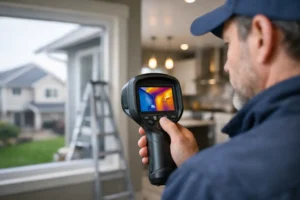
Credentials and experience deserve attention too, but not as a marketing phrase. What matters is whether the inspector has the training, field experience, and diagnostic capability to recognize issues that are easy to miss during a routine walkthrough. Advanced tools such as thermal imaging and moisture detection can add real value when used appropriately, especially in properties where hidden water intrusion or insulation concerns may not be visible at the surface.
Why reporting quality matters as much as inspection quality
Many clients assume the inspection itself is the whole service. In practice, the report is what carries the value forward. It is what you review with your agent, use in discussions with contractors, reference during ownership, or present in support of a repair request.
A strong report should be easy to scan and easy to trust. That means clear organization, high-resolution photos, concise descriptions, and practical recommendations. Vague wording creates confusion. Overly dramatic wording creates unnecessary alarm. The right approach is factual, precise, and calm.
This is especially important for first-time buyers. They often do not need every detail simplified, but they do need context. A loose handrail, an aging HVAC system, and active moisture staining do not carry the same urgency. Good reporting helps clients sort findings by significance so they can make informed choices instead of reacting emotionally.
Buyers, sellers, and homeowners need different things
The right inspection process depends on why you are ordering it. Buyers usually need risk visibility before closing. They want to know what they are taking on now, what may need near-term repair, and what should be budgeted over time.
Sellers often benefit from understanding issues before listing or before negotiations tighten. A pre-listing inspection can reduce surprises and help present the property more confidently. It can also give the seller a chance to address concerns on their own schedule rather than under contract pressure.
Homeowners who are not buying or selling still have good reasons to schedule an inspection. Many use inspections to plan maintenance, investigate recurring moisture concerns, document property condition, or assess systems after storms or other damage events. In those cases, the goal is less about a transaction and more about protecting the asset and making repair decisions with better information.
Missouri properties come with local realities
A Missouri home inspection company should understand that the same inspection template does not fit every property. Older homes may have long service histories, layered repairs, and deferred maintenance hidden behind fresh finishes. Newer homes can still present issues related to installation quality, drainage, ventilation, or incomplete work.
Climate also matters. Missouri properties deal with humidity, seasonal temperature swings, storms, and periods of heavy rain. Those conditions can affect roofing materials, exterior components, drainage patterns, crawlspaces, basements, windows, and attic performance. An inspection should account for how these patterns show up in real buildings, not just how a manual says a component should look.
That does not mean every home will have major problems. It means the inspection should be grounded in what properties in this region commonly experience and how those conditions affect ownership costs and repair priorities.
Red flags when comparing inspection companies
Some warning signs are easy to miss because they sound convenient at first. Extremely low pricing can mean a shorter inspection, a thinner report, or less time spent documenting concerns. A rushed service may still produce a report, but not one that supports a confident decision.
Another red flag is unclear scope. If a company is vague about what is inspected, what tools are used, or how findings are communicated, that uncertainty often shows up later in the process. The same goes for reports that are hard to read, overloaded with boilerplate, or missing useful photos.
You should also be cautious of services that lean too far toward reassurance or too far toward alarm. A professional inspector is there to evaluate and explain, not to sell fear and not to gloss over concerns. Neutral, evidence-based communication is what protects the client.
What good inspection support feels like
A well-run inspection process lowers uncertainty. Scheduling is straightforward. The on-site work is methodical. Questions are answered clearly. The report arrives on time and makes sense the first time you read it.
That kind of process is valuable because real estate decisions rarely happen in ideal conditions. Buyers may be balancing deadlines, financing, and negotiation strategy. Sellers may be trying to keep a transaction moving. Homeowners may be dealing with a suspected issue that needs confirmation before they spend money on repairs.
In each case, the inspection should reduce guesswork. It should give you a reliable picture of current conditions and help you decide what to do next. That is where a company like Archer Professional Inspections stands apart – not just in thorough on-site assessment, but in delivering clear, decision-ready reporting backed by strong documentation.
Choosing the right Missouri home inspection company for the job
The best choice is not always the cheapest, the fastest, or the one with the most generic promises. It is the company that combines careful fieldwork, practical communication, prompt reporting, and diagnostic depth suited to the property you are evaluating.
If you are comparing providers, focus on what you will actually receive: the thoroughness of the inspection, the clarity of the report, the quality of the visual documentation, and the company’s ability to explain findings in plain language. Those factors have a direct effect on whether the inspection helps you move forward with confidence or leaves you with more questions than answers.
A property can look fine on the surface and still carry risks that affect cost, timing, and peace of mind. The right inspection company helps bring those risks into view early, while you still have options. That kind of clarity is worth seeking before any next step becomes final.