An older home can win you over in five minutes. Original millwork, solid doors, mature trees, and details newer construction rarely matches can make a property feel worth the extra effort. But if you are figuring out how to inspect an older home, charm has to take a back seat to evidence. The goal is not to talk yourself out of a purchase. It is to understand condition, repair needs, and future costs before you commit.
Older homes often age unevenly. One system may have been updated recently while another has been deferred for decades. A remodeled kitchen does not tell you much about hidden moisture, aging drain lines, attic ventilation, or outdated electrical components. A careful inspection helps separate cosmetic appeal from real building performance.
How to inspect an older home with the right mindset
Start with a simple assumption: every older property has a history, and that history matters. Renovations, patch repairs, additions, weather exposure, and maintenance habits all leave clues. Your job is not to find a perfect house. It is to identify material defects, safety concerns, and components nearing the end of useful life.
That means looking at the house as a system rather than a collection of finishes. Water management, roofing, electrical, plumbing, heating and cooling, windows, insulation, and foundation conditions all affect one another. If moisture has been getting in for years, the damage may show up far from the entry point. If ventilation is poor, you may see the result in the attic, bathroom ceilings, window trim, or crawlspace.
Photos in a listing and a seller disclosure can be useful, but neither replaces a thorough on-site evaluation. Disclosures may be limited by what the seller knows, and cosmetic updates can hide older conditions. This is where a detailed inspection process becomes valuable.
Start outside and follow the path of water
When inspecting an older home, the exterior often tells the clearest story. Begin with the roof, not just the shingles. Look at flashing details, roof penetrations, chimney intersections, gutters, downspouts, and the way water is directed away from the home. In older properties, persistent drainage problems are common and often more expensive than buyers expect.
Pay attention to grading around the perimeter. Soil should slope away from the home, and downspouts should discharge well away from the foundation. If water is allowed to collect near the exterior walls, it can contribute to basement seepage, masonry deterioration, wood rot, and interior humidity problems.
Siding and trim deserve a close look as well. Peeling paint, soft wood, open joints, damaged caulking, and staining below windows can indicate prolonged moisture exposure. Brick and stone exteriors should be checked for cracking, failed mortar, and signs of prior patching. Repairs are not necessarily a problem, but they should make sense and appear consistent with the age and construction of the home.
Windows and doors can reveal both maintenance issues and energy performance concerns. In older homes, it is common to find a mix of original units and replacements. Drafts, damaged glazing, deteriorated sills, and painted-shut windows may seem minor during a showing, but they can affect comfort, safety, and repair budgets.
Inside, look past finishes
Fresh paint is not a defect, but it can hide one. Inside the home, pay attention to patterns rather than isolated blemishes. A single hairline crack in plaster may be routine aging. Repeated stains, repaired drywall in the same area, sloping floors, or doors that rub can point to larger condition issues worth documenting.
Basements and crawlspaces are especially important in older homes because they expose the building’s working parts. Look for water staining, efflorescence on masonry surfaces, musty odors, rust on metal components, damaged insulation, and signs of active leaks. These spaces often reveal whether moisture is a one-time event or an ongoing problem.
Attics matter just as much. Inadequate ventilation, past roof leaks, compressed insulation, and amateur wiring changes are all common findings. Even if the finished living spaces look pristine, the attic may show whether the home has been maintained carefully or simply updated for appearance.
Electrical systems need close attention
Electrical evaluation is one of the most important parts of learning how to inspect an older home. Many older houses have a mix of original wiring, partial upgrades, and additions made over time. That mix can create reliability and safety concerns.
The service panel should be reviewed for capacity, labeling, workmanship, and compatibility with the home’s current demands. Double-tapped breakers, missing knockouts, overheating indicators, and improper connections are all warning signs. Two-prong receptacles, ungrounded outlets, limited GFCI protection, and extension-cord-style permanent solutions also deserve attention.
This is an area where age alone does not determine risk. Some older systems perform adequately if they have been properly maintained and updated. Others may require prompt correction even if the home appears otherwise well cared for. A professional inspection helps distinguish between manageable improvements and higher-priority concerns.
Plumbing tells you a lot about future costs
Older homes frequently contain a combination of supply and drain materials from different eras. That matters because plumbing performance is not just about whether a faucet turns on during the showing. Pipe material, visible corrosion, past leak repairs, water pressure, drainage speed, and moisture readings near fixtures can all indicate what may come next.
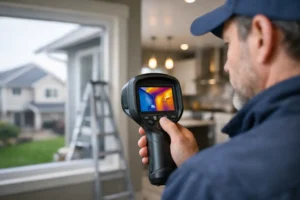
Look beneath sinks, around tubs and showers, at exposed basement piping, and near water heaters. Staining, patched sections, active drips, and corrosion at valves are obvious issues, but less visible moisture can be just as significant. Advanced inspection methods such as moisture detection and thermal imaging can help identify hidden leak patterns behind finished surfaces.
Water heaters in older homes should also be checked carefully for age, installation quality, venting where applicable, and signs of leakage. A unit nearing the end of its service life may not stop a transaction, but it should absolutely factor into your repair planning.
Heating, cooling, and ventilation often show deferred maintenance
In an older property, HVAC equipment may have been replaced more recently than the house itself, but installation quality still matters. The system should be evaluated for approximate age, visible condition, operation, air filter status, duct issues, and signs of poor maintenance.
Ventilation is easy to overlook and expensive to ignore. Bathrooms should exhaust properly. Dryers should vent correctly. Attics and crawlspaces should not trap excess moisture. Poor airflow can contribute to staining, mold-like growth, wood damage, and shortened equipment life. These issues often build gradually, which is why buyers may miss them during a brief walkthrough.
Know what is normal for age and what is not
One of the biggest mistakes buyers make is treating every older-home finding as a deal breaker or, just as risky, dismissing everything as normal old-house character. The truth is usually somewhere in the middle.
Minor settlement cracks, aged finishes, and some unevenness may be expected in a home that has stood for decades. Active water intrusion, unsafe electrical conditions, failing roofing materials, or widespread rot are different matters. The value of a thorough inspection is context. It tells you which findings are common for age, which ones need repair soon, and which ones deserve immediate attention before closing.
That distinction matters in negotiations too. If you do not understand the severity or likely cost of a problem, it is hard to make a smart request for repairs, credits, or price adjustments.
Why a professional inspection matters for older homes
If you are serious about how to inspect an older home, a general walkthrough is not enough. Older properties reward careful, methodical evaluation. They also benefit from better documentation. High-resolution photos, clear narratives, and organized reporting make it easier to understand the property and plan next steps.
A professional inspection should give you more than a list of defects. It should explain what was observed, why it matters, and what action is recommended. That might mean monitoring a condition, budgeting for replacement, requesting repairs, or seeking further evaluation in a specific area. For buyers, sellers, and owners alike, that clarity supports better decisions and fewer surprises.
At Archer Professional Inspections, that means combining hands-on field experience with tools like thermal imaging and moisture detection to provide a more complete picture of the property’s condition.
When an older home has been maintained well, the inspection often confirms that the house is worth pursuing with eyes open. When it has hidden issues, the inspection gives you the information you need before those issues become your responsibility. Either result is useful.
The best older homes are not the ones with no flaws. They are the ones whose condition is understood clearly enough that you can move forward with confidence.