A property can look move-in ready during a showing and still have active moisture intrusion, aging electrical components, unsafe conditions, or costly deferred maintenance. That is why people ask, are inspections required before purchasing a home or commercial building? The short answer is: sometimes by law, lender, insurer, lease, or contract, but not always as a general condition of buying.
The more useful question is not simply whether an inspection is mandatory. It is which evaluations protect your decision, what they can reveal before closing, and whether you have the right contractual path to respond to the findings. A professional inspection is often optional in a legal sense, yet skipping it can turn an avoidable surprise into an expensive ownership problem.
Are Inspections Required for a Property Purchase?
In many residential transactions, a general home inspection is not required by federal law or by the fact that a buyer is obtaining a mortgage. A buyer may choose to purchase a property without one. Sellers also are not universally required to order a pre-listing inspection, although they may have disclosure obligations under state law.
Commercial acquisitions work similarly. A buyer may not be legally required to obtain a property condition assessment, but lenders, investors, partners, and risk-management policies frequently make professional due diligence a practical requirement. The larger and more complex the asset, the less reasonable it becomes to rely on a walkthrough, seller representations, or a short contractor visit alone.
Requirements vary by location and transaction type. Municipalities may require inspections before a change in occupancy, after certain permits, before utility activation, or when transferring particular property types. Condominiums, rental properties, manufactured homes, and properties served by private wells or onsite wastewater systems can also trigger additional rules.
Because local requirements can change, confirm them with the applicable municipality, lender, insurer, and real estate professional. Do not assume that a neighboring community follows the same process.
When an Inspection Becomes Effectively Necessary
Even when no rule compels an inspection, other parties can make one necessary to keep a transaction moving.
A lender may require specialized evaluations when an appraisal, prior report, or visible condition raises concerns. For example, the lender could request documentation related to roof condition, moisture damage, electrical safety, pest activity, or a repair estimate before final loan approval. An appraisal establishes an opinion of value for lending purposes. It is not a substitute for a detailed condition assessment.
Insurance carriers may also require inspections or ask for proof of updates before issuing or renewing coverage. Older roofs, aging electrical panels, vacant buildings, commercial facilities, and properties with prior claims can receive closer review. The carrier’s focus is insurability, not a complete assessment of every component, so buyers should not treat an insurance review as their only due-diligence step.
Contracts matter just as much. A well-written inspection contingency gives a buyer time to obtain an inspection, review the findings, request repairs or credits when appropriate, renegotiate, or withdraw according to the contract terms. Without that protection, a buyer may still order an inspection, but the options after a serious finding can be limited.
For commercial properties, purchase agreements often set a formal due-diligence period. This window may include a property condition assessment, document review, site observations, maintenance-history review, environmental work, and targeted evaluations. Missing that deadline can reduce leverage or leave the buyer committed before critical questions are answered.
What a Professional Inspection Actually Provides
A professional inspection is not a guarantee that a property has no defects, and it does not predict every future repair. Buildings age, hidden areas can be inaccessible, and some conditions emerge only under certain weather or operating conditions. Its value is in replacing assumptions with documented observations.
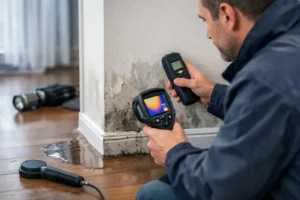
A thorough inspection typically evaluates readily accessible systems and components, identifies visible deficiencies, explains their significance, and supports the report with clear photographs. Advanced tools such as thermal imaging and moisture detection can help identify concerns that are not obvious during a standard visual review, including patterns consistent with concealed moisture or abnormal temperature differences.
The strongest reports do more than produce a long list of minor items. They separate routine maintenance from safety concerns, active damage, material defects, and issues that may warrant further evaluation or repair. That distinction helps buyers focus on what could affect cost, function, safety, negotiations, and long-term planning.
For commercial clients, the report should support business decisions as well as property knowledge. Investors and property managers often need a defensible picture of immediate repair needs, likely capital planning considerations, building-system condition, and documentation for negotiations, budgeting, insurance, or portfolio records.
Inspection Types That May Apply
The right scope depends on the property. A general inspection is a sound starting point, but it is not a universal answer for every building or concern. If the initial assessment identifies a condition outside the scope of the inspection, targeted follow-up may be appropriate.
Common additional evaluations include:
- Wood-destroying insect inspections where required by a lender, contract, or local practice.
- Radon testing, particularly in areas where elevated levels are common or where buyers want objective measurement.
- Well-water quality and quantity testing for private water systems.
- Onsite wastewater system inspections for properties not connected to public sewer.
- Roof, electrical, HVAC, plumbing, moisture, or drainage evaluations when conditions warrant a closer review.
- Commercial property condition reports for acquisitions, lease decisions, maintenance planning, and portfolio due diligence.
The goal is not to order every possible service automatically. It is to match the inspection plan to the age, type, location, use, and visible condition of the property. A newly built retail space, a historic residence, and an occupied multi-tenant building carry different risks and deserve different levels of investigation.
The Risk of Treating an Inspection as Optional
Calling an inspection optional can create the wrong impression. Optional does not mean unnecessary. It means the buyer must decide whether the cost of obtaining reliable information is justified by the risk of proceeding without it.
For a homebuyer, the inspection fee is small compared with the cost of replacing a roof, correcting widespread moisture damage, upgrading a problematic electrical system, or addressing a failing heating and cooling unit. For a commercial buyer, incomplete due diligence can affect acquisition pricing, lease obligations, operating budgets, financing, and the timeline for opening or occupying a property.
There are situations in which buyers are tempted to waive inspections, especially in competitive markets. Some buyers believe a newer property needs less review, while others feel pressure to make an offer more attractive. Those choices can be made, but they should be deliberate. A buyer who waives an inspection should understand that they are accepting more unknowns, not eliminating the property’s risks.
A stronger approach is to preserve inspection rights whenever possible and schedule the inspection promptly after the contract is accepted. That creates time to review the report carefully, ask clarifying questions, gather repair estimates if needed, and make decisions before deadlines expire.
How to Use Inspection Findings Well
An inspection report is a decision-support document, not a repair punch list for every cosmetic imperfection. Properties, especially older ones, will have maintenance needs. The key is to understand which findings require immediate attention, which should be budgeted for, and which are normal ownership responsibilities.
After receiving the report, review the major findings first. Ask whether a condition presents a safety issue, ongoing damage, impaired function, or a significant near-term expense. Then consider the property’s price, your available budget, your intended use, and the terms of the contract.
For sellers and property owners, an inspection can also be useful before listing, renovating, refinancing, or renewing insurance. Identifying issues early gives you more control over repairs, documentation, and timing. It can also reduce last-minute surprises after a buyer’s inspection.
The best property decisions are rarely based on a single requirement or checkbox. They are based on clear evidence, realistic cost expectations, and enough time to act on what the evidence shows. When the stakes involve a home, an investment, or an operating business, a careful inspection is often the clearest way to move forward with confidence.