A property can look profitable on a spreadsheet and still become an expensive problem the day after closing. Why do investors need inspections before they commit? Because the condition of the building determines whether projected income, repair reserves, financing terms, and exit plans are realistic.
For an investor, an inspection is not simply a box to check before a purchase. It is a fact-finding process that turns assumptions into documented conditions. A thorough evaluation can identify active moisture concerns, aging mechanical equipment, roofing issues, electrical deficiencies, drainage problems, safety hazards, and evidence of deferred maintenance that listing photos and a walkthrough may not reveal.
Inspections protect the numbers behind the investment
Purchase price is only one part of an acquisition cost. Investors also need to account for immediate repairs, capital improvements, operating interruptions, insurance requirements, and the possibility that a defect will become more expensive if it is left unaddressed.
An inspection helps separate manageable maintenance from conditions that could materially change the deal. A water heater nearing the end of its service life may be a planned replacement. Widespread moisture intrusion, however, can point to a larger repair scope, damaged finishes, indoor air concerns, or recurring tenant complaints. The difference matters when calculating reserves and expected returns.
Without clear information, investors often rely on seller disclosures, visible appearance, contractor estimates made from limited observations, or assumptions based on the property’s age. Those sources may be useful, but they are not substitutes for a systematic on-site assessment and detailed documentation.
Better due diligence produces better underwriting
A strong inspection report gives investors information they can use in underwriting. It can help answer practical questions: What needs attention now? What can be budgeted over the next one to five years? Which conditions may affect occupancy, safety, lending, or insurance? Are there signs that prior repairs addressed the cause of a problem or only covered its symptoms?
This is particularly valuable when evaluating older buildings, properties that have been vacant, distressed assets, or sites with incomplete maintenance records. In those situations, the visible condition can be misleading. Fresh paint, new flooring, or an updated lobby does not confirm that underlying systems have been properly maintained.
Why do investors need inspections before negotiations?
An inspection does not automatically mean a buyer should walk away. It gives the buyer a credible basis for deciding what should happen next. Depending on the findings, an investor may proceed at the original price, seek a price adjustment, request repairs, negotiate a credit, extend the due diligence period, or decide the risk does not fit the investment strategy.
The quality of the documentation matters. General statements such as “roof concerns” or “possible leak” are difficult to use in negotiations or budget planning. Clear reports that include photographs, locations, observed conditions, and actionable recommendations are far more useful. They give investors a record they can share with partners, lenders, contractors, property managers, and insurers.
A timely report also protects the transaction schedule. Archer Professional Inspections provides detailed reporting within 24 hours, helping clients evaluate findings while contingencies and negotiations are still active. Speed matters, but it must be paired with careful fieldwork and clear explanations. A rushed opinion without supporting evidence does not provide the same decision-making value.
The inspection scope should match the property and the plan
Not every investor needs the same type of inspection. The right scope depends on the asset, its condition, the intended use, the age of major components, and the buyer’s risk tolerance.
A residential investor buying a single rental home may need a comprehensive home inspection that evaluates readily accessible systems and components. The goal is often to identify immediate repairs, tenant-safety concerns, and major upcoming expenses before closing.
A buyer acquiring an apartment building, retail center, office property, warehouse, or mixed-use asset may need a commercial inspection or property condition report. These assessments are designed to support broader acquisition decisions, including maintenance priorities, observed deficiencies, replacement planning, and anticipated capital needs. For properties with unusual damage patterns, water intrusion, repeated failures, or disputed conditions, a more specialized investigation may be appropriate.
The key is to avoid treating inspection services as interchangeable. A limited walkthrough may be appropriate for an experienced owner reviewing a small, recently maintained property. It is less appropriate when the investment depends on tight margins, a renovation schedule, or a long-term hold with limited reserves.
Advanced tools help find conditions that are not obvious
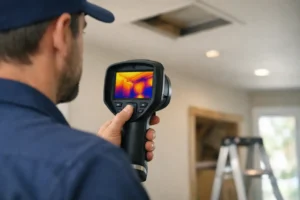
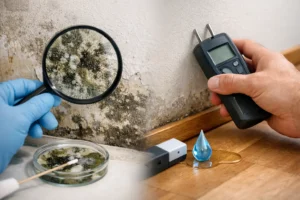
Some property issues are visible during a normal walkthrough. Others are not. Thermal imaging and moisture detection can help identify temperature differences or elevated moisture levels that warrant closer attention. These tools are especially useful around roofs, exterior walls, plumbing areas, windows, and other locations where water can travel behind finished surfaces.
Technology does not replace professional judgment. A thermal image, for example, is an indicator rather than a diagnosis by itself. Its value comes from using it alongside visual observations, moisture readings, property history, and knowledge of building performance. That combination helps distinguish a minor anomaly from a condition that needs further evaluation or repair.
Inspections help investors plan after closing
The value of an inspection extends beyond the purchase decision. Once an investor owns the property, the report can become a working reference for maintenance planning.
Rather than reacting to failures, owners can prioritize work based on urgency, likely cost, tenant impact, and the remaining service life of equipment. This is useful for both residential rentals and commercial portfolios. Replacing an aging component during a planned turnover or scheduled improvement is often less disruptive than addressing it after a failure affects occupants.
For commercial owners and property managers, documented conditions can also support communication with stakeholders. A well-organized report helps explain why a repair is needed, what was observed, and why a reserve or capital project should be approved. It replaces vague concerns with evidence.
They also reduce avoidable risk
No inspection can guarantee that a property will have no future issues. Buildings age, weather changes, equipment fails, and conditions can develop after the inspection date. An inspection is a snapshot of accessible conditions at a specific time, not a warranty or insurance policy.
Even so, that snapshot is highly valuable. It reduces the chance that an investor is surprised by conditions that were present and observable before closing. It also establishes a baseline. If concerns arise later, the investor has documented information about the property’s reported condition at acquisition.
Investors should review reports carefully, ask questions about findings they do not understand, and obtain qualified repair estimates when significant issues are identified. The inspection professional identifies and documents observed conditions; repair pricing and repair design may require input from the appropriate trade professional. Treating those roles as complementary leads to better decisions.
What investors should look for in an inspection partner
The lowest inspection fee is not always the lowest-cost choice. A report that misses material conditions, lacks photographs, arrives too late, or uses unclear language can cost far more than the difference between inspection prices.
Look for an inspection provider with relevant property experience, a defined scope of work, detailed visual documentation, practical recommendations, and a track record of responsive communication. Investors should also confirm that the inspector can handle the property type and the level of complexity involved, whether that is a residential rental, a multi-site commercial acquisition, or a property with suspected water or damage concerns.
A good report should be understandable to a first-time investor without oversimplifying the issues experienced owners need to evaluate. It should identify what was observed, explain why it matters, and help the client determine reasonable next steps.
Before committing capital, give the property the same level of scrutiny you would give the financial model. An inspection cannot make an investment risk-free, but it can replace uncertainty with evidence and help you buy, negotiate, budget, and operate with far greater confidence.