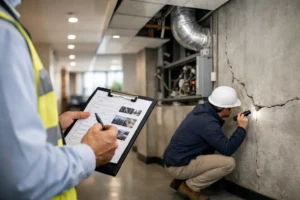
A wall can look clean, dry, and finished while a slow leak is spreading behind it. That is where knowing how to use thermal scans changes the inspection process. Thermal imaging gives an inspector a noninvasive view of temperature differences across surfaces, helping direct attention to conditions that may otherwise remain hidden.
A thermal scan is not a shortcut to a diagnosis. It is a diagnostic tool that produces evidence to investigate further. Used correctly, it can help identify suspected moisture intrusion, missing insulation, air leakage, overheating electrical components, and HVAC performance concerns. Used without context, it can produce misleading images and unnecessary alarm.
How to Use Thermal Scans With a Clear Inspection Process
Thermal cameras detect infrared energy, which is displayed as a pattern of temperatures. Warmer and cooler areas appear as different colors or shades on the screen. Those patterns can reveal anomalies, but the camera cannot tell an inspector why the temperature difference exists.
For example, a cool area on a ceiling may suggest moisture from above. It may also be caused by an air-conditioning duct, a change in insulation, or a recent shift in outdoor temperature. The proper process is to scan, interpret the pattern, inspect the surrounding area, and verify the finding with appropriate tools and observations.
At Archer Professional Inspections, thermal imaging is used as part of a thorough evaluation, not as a stand-alone service that substitutes for hands-on inspection. The goal is to produce clear, decision-support information rather than a dramatic image without an explanation.
Start With the Right Conditions
Thermal imaging works best when there is a meaningful temperature difference between the inside and outside of the building. This difference, often called a thermal gradient, makes areas of heat loss, air movement, and insulation variation easier to see.
A scan performed after the HVAC system has been operating may reveal more than one performed when interior and exterior temperatures are nearly equal. Weather, sun exposure, wind, recent rainfall, and the time of day can all affect results. A west-facing wall warmed by afternoon sunlight, for instance, may appear unusually warm even when no defect is present.
The inspector should understand those conditions before drawing conclusions. Recording the weather, operating the relevant systems when practical, and allowing enough time for temperatures to stabilize all improve the value of the scan.
Establish a Visual Baseline First
A thermal camera should not be the first and only tool used in an area. Begin with a careful visual review of the roof covering where visible, exterior walls, windows, ceilings, plumbing fixtures, electrical panels, HVAC equipment, and accessible interior finishes.
This baseline creates context. Water staining below a bathroom, deteriorated caulk around a window, or corrosion near a pipe connection gives meaning to an unusual thermal pattern. Conversely, a surface that appears different on camera but has no supporting evidence may require monitoring or additional testing rather than a definitive repair recommendation.
Thermal imaging is most useful when it confirms or refines what the inspection is already showing.
Where Thermal Scans Provide the Most Value
The best use of thermal imaging is targeted. Sweeping every surface can be helpful during a comprehensive inspection, but high-value areas deserve particular attention because hidden defects there can affect safety, durability, comfort, and repair planning.
Moisture Intrusion and Plumbing Concerns
Moisture commonly changes the temperature of a material. A wet drywall ceiling may cool differently than dry drywall, especially when a plumbing line is leaking or water has entered after rain. Thermal imaging can help an inspector trace the extent of a suspected affected area beyond visible staining.
Confirmation still matters. A moisture meter, visual review, accessible plumbing inspection, and discussion of recent weather or plumbing use help distinguish active moisture from an old stain, condensation, or another temperature-related condition. Thermal scans can reduce unnecessary opening of finished surfaces, but they cannot identify every leak or prove the precise source on their own.
Insulation Gaps and Air Leakage
Cold or warm patterns along exterior walls, attic transitions, windows, doors, and penetrations may point to insulation gaps or air leakage. These conditions can contribute to uncomfortable rooms, elevated energy use, and condensation risk.
The pattern matters. A narrow line around a window may be consistent with air movement, while a broad irregular area in a wall may suggest inconsistent insulation coverage. However, framing members, reflective surfaces, and sun exposure can create similar visual effects. The report should describe what was observed, where it was observed, and what follow-up is appropriate.
Electrical Components
Electrical connections that are carrying excessive resistance can generate heat. Under suitable load conditions, a thermal scan of accessible electrical equipment may reveal a breaker, conductor, or connection that is warmer than comparable components.
This is a valuable safety screening method, but it must be handled carefully. Equipment should not be opened or touched beyond the scope of a safe inspection, and a temperature difference alone does not establish the cause of overheating. When a concerning condition is observed, the appropriate next step is evaluation and repair by a qualified licensed electrician.
HVAC Performance
Thermal scans can help show whether supply registers are delivering conditioned air and whether temperature patterns near equipment and ductwork warrant closer review. They can also identify uneven conditions that may align with disconnected ducts, insulation problems, or air leakage.
A thermal camera does not replace measurements of airflow, refrigerant performance, or full system diagnostics. It helps identify where additional HVAC evaluation may be worthwhile, particularly when occupants report rooms that do not heat or cool consistently.
Avoid Common Thermal Imaging Mistakes
The most common mistake is treating color as a verdict. A bright red area is not automatically dangerous, and a dark blue area is not automatically wet. Camera palettes can be adjusted, and apparent color differences depend on the temperature range selected for the image.
Reflective materials create another challenge. Metal, glass, glossy tile, and polished surfaces may reflect temperatures from nearby objects rather than accurately represent their own surface temperature. An inspector should change viewing angles, compare similar materials, and use visual evidence before reporting a concern.
Emissivity also affects accuracy. Different materials release infrared energy differently, which can alter their apparent temperature. Experienced use of thermal equipment requires knowledge of material behavior, not simply pointing a camera at a wall.
Finally, thermal scans cannot see through walls. They read surface temperatures. The value comes from recognizing surface patterns that may be associated with conditions behind or within the assembly, then confirming those conditions through sound inspection practice.
Document Findings So They Support Decisions
A useful thermal image should be paired with a standard photograph of the same area and a plain-language explanation. The documentation should identify the location, observed pattern, likely concern when supported by evidence, limitations, and recommended next step.
For a homebuyer, that may mean knowing whether to seek a plumbing evaluation before the end of an inspection period. For a property manager or investor, it may mean prioritizing repairs, budgeting for maintenance, or documenting a condition for insurance or dispute-related purposes.
The most helpful reports do not overstate what the camera can prove. They turn technical observations into clear action: monitor the area, correct a visible maintenance issue, obtain a qualified trade evaluation, or investigate further before making a major property decision.
When a Professional Scan Is Worthwhile
Thermal imaging is especially useful when a property has a history of leaks, unexplained stains, uneven room temperatures, recurring condensation, electrical concerns, or recent repairs that need closer review. It can also add value during pre-purchase inspections, commercial due diligence, and assessments after weather-related damage.
The right question is not whether a thermal scan will find every hidden problem. No inspection method can make that promise. The question is whether thermal imaging, used alongside careful visual inspection and moisture detection, can provide better evidence for the decision in front of you.
A well-interpreted scan brings hidden temperature patterns into view. A careful inspection turns those patterns into practical next steps, helping you protect the property and proceed with greater confidence.