A showing can make a house feel right in ten minutes. A buyer home inspection checklist review is what slows that feeling down long enough to test it against reality. Before you commit to a purchase, you need more than a clean kitchen, fresh paint, and good staging. You need a clear, organized way to evaluate the home’s condition, understand where risks may be hiding, and decide what deserves closer attention.
For most buyers, the checklist itself is not the inspection. It is a decision tool. It helps you notice visible concerns during tours, prepare smarter questions for the inspector, and read the final report with better context. That matters because not every issue carries the same weight. Some findings are routine maintenance items. Others point to moisture intrusion, unsafe systems, aging components, or deferred upkeep that can become expensive after closing.
What a buyer home inspection checklist review should actually do
A useful buyer home inspection checklist review should separate appearance from performance. Cosmetic updates can distract from older roofing materials, worn mechanical systems, drainage problems, or electrical concerns. A good checklist brings your attention back to the home’s major components and to the conditions that affect cost, safety, and future maintenance.
It should also help you organize what you are seeing into categories. That usually means exterior conditions, roofing, interior rooms, plumbing, electrical, heating and cooling, attic spaces, insulation, windows and doors, grading and drainage, and signs of moisture. When those categories are reviewed consistently, buyers are less likely to miss a pattern that matters.
Just as important, a checklist should help you understand limits. A walkthrough checklist is not a substitute for a professional inspection. Buyers can observe staining, cracking, uneven floors, or poor drainage, but identifying cause, severity, and recommended next steps takes training, experience, and the right equipment.
Start with the outside, not the countertops
Many costly issues begin outside the living space. That is why the first part of a buyer home inspection checklist review should focus on how the property handles weather and water.
Look at grading around the home. If the ground slopes toward the foundation, water may collect where it should not. Notice whether downspouts discharge too close to the house. Check for damaged gutters, loose soffits, missing exterior sealant, rotted trim, or areas where siding meets the ground. These conditions do not always mean major failure, but they often signal ongoing moisture exposure and neglected maintenance.
The roof deserves close attention, even from the ground. Missing shingles, sagging sections, worn flashing, patchwork repairs, and heavy granule loss are all worth noting. Buyers do not need to diagnose roofing systems during a tour, but they should flag visible wear and ask about age, prior repairs, and leak history.
Driveways, walkways, porches, decks, and stairs should also be part of the review. Uneven settlement, loose rails, damaged surfaces, and poor drainage can indicate both safety concerns and repair costs that deserve planning.
Inside the home, watch for patterns
Once you move indoors, the checklist should shift from finishes to function. Fresh flooring and new paint can make rooms feel updated, but they do not tell you whether windows operate properly, whether bathrooms vent as they should, or whether there are recurring moisture issues behind the scenes.
Stains on ceilings or around windows deserve attention, especially if they appear recently painted over. Doors that do not latch, sloping floors, cracked tile, and separated trim may be isolated cosmetic issues, or they may reflect movement, moisture, or installation problems. The key is pattern recognition. One sticky door may be nothing. Several doors and windows that bind in the same area deserve a closer look.
Bathrooms and kitchens should be reviewed carefully because they combine water, fixtures, cabinetry, and ventilation in small spaces. Open sink cabinets and look for staining, corrosion, active leaks, or swelling in the cabinet base. Run faucets if possible. Check whether tubs and showers appear properly sealed. Notice whether exhaust fans are present and whether moisture lingers.
Electrical and plumbing deserve more than a quick glance
A buyer home inspection checklist review should always include the home’s core systems, even if those systems are out of sight during a casual showing.
For electrical, look for practical warning signs. Missing cover plates, scorched outlets, double-tapped breakers visible at the panel, extension-cord dependence, or a lack of GFCI protection in kitchens, baths, garages, and exterior areas can point to safety and upgrade concerns. Buyers should not remove panel covers themselves, but they should ask whether the system has been updated and whether any known issues exist.
For plumbing, age and material matter as much as visible leaks. Corrosion at shutoff valves, slow drains, low water pressure, water heater rust, and signs of past repairs are all worth noting. If the home has older supply or drain materials, that does not automatically make it a bad purchase. It does mean future budgeting and repair planning should be part of the conversation.
Heating and cooling equipment should be reviewed with the same mindset. Buyers should ask the age of the furnace, air conditioner, and water heater, along with service history. A system can still be operating while nearing the end of its expected service life. That is a different issue from active failure, but it still affects your short-term costs after closing.
Attics, crawlspaces, and basements often tell the real story
These areas are less glamorous and more revealing. If they are accessible during the inspection, they often provide some of the clearest evidence of moisture issues, ventilation problems, air leakage, pest activity, and deferred maintenance.
In basements, look for water staining, efflorescence, musty odors, sump pump conditions, and patched cracks. In attics, insulation coverage, signs of past leaks, dark staining, and improper venting can say a lot about how the home has performed over time. Crawlspaces can reveal moisture conditions, drainage concerns, damaged insulation, and plumbing leaks that are not visible from the main living areas.
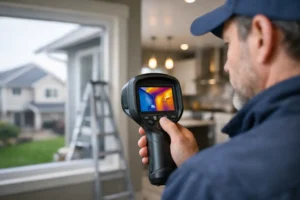
This is where advanced tools make a difference. Moisture detection and thermal imaging can help identify hidden concerns that are not obvious to the naked eye. Used correctly, they add another layer of evidence and help buyers make decisions with more confidence.
How to review the final inspection report without getting overwhelmed
Once the inspection is complete, the checklist phase turns into report review. This is where many buyers make one of two mistakes. They either panic over every line item or they focus only on the biggest headline findings and skip the rest.
A better approach is to sort findings into three groups: safety concerns, active defects, and maintenance or aging items. Safety concerns deserve prompt attention. Active defects affecting water intrusion, electrical performance, roofing, HVAC operation, or plumbing leaks usually belong high on the list as well. Maintenance items matter too, but they should be read in context. A home can have a long report and still be a solid purchase if the issues are understood, documented clearly, and priced appropriately.
Pay attention to photos and language. The best reports do not just name a problem. They show where it is, explain why it matters, and outline recommended next steps in plain language. That clarity helps buyers decide whether to request repairs, negotiate credits, plan future work, or walk away.
What buyers should ask after the checklist review
The most valuable follow-up questions are specific. Ask which findings need attention before move-in, which items should be budgeted within the first year, and which conditions need further evaluation by a qualified contractor. Ask whether observed moisture staining appears active or historical. Ask which systems are functional today but nearing replacement age.
That level of discussion is where a detailed inspection becomes real decision support. Archer Professional Inspections builds reports around that principle, combining technical detail with practical guidance so buyers can understand not just what was found, but what it means for timing, cost, and next steps.
There is no perfect house, even in a competitive market. What buyers need is a reliable picture of condition, a realistic sense of risk, and enough clarity to move forward without guessing. A careful checklist review will not make the decision for you, but it will make the decision better. The right home is not the one with zero findings. It is the one you understand well enough to buy with open eyes.