A building can look clean, updated, and market-ready while still hiding moisture intrusion, aging systems, deferred maintenance, or documentation gaps that turn a promising deal into an expensive problem. That is why a solid property due diligence guide matters. It gives buyers, investors, sellers, and property managers a clear process for verifying what they are actually taking on before money changes hands.
Due diligence is not just about checking a box for a transaction. It is about understanding condition, risk, timing, and cost. For a homebuyer, that might mean learning whether a roof is near the end of its service life or whether signs of past leaks were only cosmetically covered. For a commercial buyer, it may mean identifying life-safety concerns, moisture issues, major capital needs, or repair items that affect negotiations and future operating budgets.
What a property due diligence guide should cover
A useful property due diligence guide starts with one basic principle: documents and appearances are not enough on their own. Listing disclosures, rent rolls, seller representations, and maintenance records all have value, but they should be tested against what is actually observed on site.
That means due diligence has two tracks running at the same time. One is paper-based review, which includes permits, repair invoices, insurance history, service records, leases where applicable, and any prior inspection or condition reports. The other is physical evaluation, where the property itself tells the fuller story through visible wear, water staining, drainage issues, system age, and workmanship quality.
When those two tracks line up, confidence increases. When they do not, that gap usually deserves closer attention.
Start with your risk profile, not a generic checklist
Not every property calls for the same level of review. A recently renovated single-family home has a different risk profile than an older office building, retail site, or multifamily asset with a long maintenance history. The right level of diligence depends on age, occupancy, complexity, location, and how the property will be used after closing.
If you are buying a home to live in, your main concerns may be safety, water intrusion, roofing, HVAC performance, electrical issues, and immediate repair costs. If you are acquiring a commercial building, you may also need to think about deferred maintenance, accessibility concerns, roof condition, mechanical systems, site drainage, tenant-related wear, and capital planning over several years.
This is where many buyers make an avoidable mistake. They use a standard checklist pulled from a transaction template and assume it is enough. It rarely is. Good due diligence is tailored. It focuses attention where the property is most likely to create cost, liability, or disruption.
The site visit is where assumptions get tested
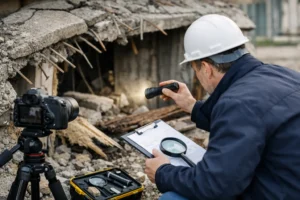
A thorough on-site inspection often changes the conversation. Photos in a listing do not show the full condition of siding, roofing transitions, attic ventilation, drainage patterns, equipment installation quality, or subtle evidence of chronic moisture. Even seller-provided maintenance records may not reveal whether a repair solved the underlying issue or only treated the symptom.
A strong inspection process looks at the property as a system, not as isolated parts. Water management is a good example. A stain on an interior ceiling may lead back to roofing details, flashing, ventilation, exterior grading, clogged gutters, or a plumbing issue. If you only look at the stain, you miss the real decision point.
The same is true for commercial properties. A mechanical unit that still runs may still be nearing replacement age, performing inefficiently, or showing signs of poor maintenance. That distinction matters because a functioning component is not always a low-risk component.
What buyers should verify before closing
Most transactions benefit from focusing on the items that can create the largest surprise after closing. Roofing, moisture intrusion, electrical hazards, HVAC age and operation, plumbing leaks, building envelope wear, drainage, windows, and safety-related concerns tend to rise to the top because they affect both cost and livability.
Documentation matters too. Permits for additions or major updates should be verified where relevant. Service history can help confirm whether systems were maintained consistently or only addressed when they failed. In income-producing property, inspection findings should also be weighed against reserves, repair budgets, and lease obligations.
There is always a judgment call here. Not every issue is a deal-breaker. Some findings support a price adjustment. Some suggest a repair request. Others simply tell you what to budget for in the first one to five years. The value of due diligence is not that it eliminates every issue. It gives you enough verified information to make a decision with open eyes.
Why advanced inspection methods can change the outcome
Some property issues are visible immediately. Others are not. That is where advanced tools can add real value, especially when there are signs of hidden moisture, energy loss, active leaks, or inconsistent system performance.
Thermal imaging can help identify temperature anomalies that may point to missing insulation, moisture patterns, or equipment concerns. Moisture detection tools can help confirm whether an area is dry, actively wet, or showing evidence of a recurring problem. High-resolution visual documentation matters as well because it creates a clear record of what was observed at the time of inspection.
These tools do not replace experience or careful judgment. They support it. Used correctly, they reduce guesswork and help distinguish between a cosmetic issue and a larger condition concern. For clients making major purchase decisions, that difference can affect negotiations, insurance discussions, repair planning, and peace of mind.
Residential and commercial due diligence are related, but not identical
The core purpose is the same in both settings: identify risk, verify condition, and support informed decisions. The scope, however, is often very different.
Residential due diligence is usually more personal and immediate. Buyers want to know whether the property is safe, functional, and likely to demand major spending soon after move-in. The timeline is often compressed, and the findings need to be presented clearly enough for non-experts to act on them quickly.
Commercial due diligence tends to involve broader operational and financial questions. Investors and property managers may need a property condition report that not only identifies deficiencies but also helps prioritize repairs and forecast future capital needs. In that setting, the reporting has to be technically sound, well organized, and decision-ready.
That is why the best inspection reports do more than list defects. They explain significance, location, likely implications, and recommended next steps in plain language.
Common mistakes that weaken due diligence
One common mistake is waiting too long to schedule the inspection. When due diligence periods are tight, delays create pressure, and pressure leads to rushed decisions. Another is relying too heavily on seller disclosures or prior reports without an updated evaluation. Conditions change, repairs fail, and new issues develop.
Buyers also sometimes focus only on dramatic defects and overlook cumulative maintenance concerns. A property may not have one catastrophic issue, but several moderate issues arriving at the same time can still create a serious budget hit.
The last mistake is treating the report as the end of the process. It should be the basis for follow-up questions, repair estimates, negotiation strategy, and planning. A careful report gives you leverage only if you use it well.
Choosing the right inspection partner
The quality of due diligence depends heavily on the quality of the inspection and reporting. You want a provider who is detailed, responsive, and able to translate findings into practical next steps. Speed matters, but speed without clarity is not very useful. A fast report should still be complete, organized, and supported by strong visual documentation.
This is especially important when the audience includes both decision-makers and advisors. A buyer may need straightforward explanations, while an attorney, insurer, contractor, or lender may need precise records. A well-prepared inspection report can serve all of those needs if it is built around accuracy and plain-language communication.
At Archer Professional Inspections, that balance between technical depth and practical clarity is central to the work. Whether the client is evaluating a home purchase or a larger commercial asset, the goal is the same: reduce uncertainty and support the next decision with credible, usable information.
A good property decision is rarely based on instinct alone. It is built on verified facts, careful observation, and a report that helps you see what the property is really saying before you commit to it.