A house can look clean, updated, and move-in ready, yet still hide problems that turn a good deal into an expensive one. That is why home inspection red flags matter so much. They are not just defects on a report. They are warning signs that can affect safety, repair costs, insurance, financing, and your confidence in the property.
For buyers, the challenge is knowing which findings are routine and which ones deserve a harder look. For sellers, the issue is different but just as important: small neglected conditions can raise bigger questions about how the home has been maintained overall. A careful inspection helps separate manageable repairs from problems that may change the terms of a transaction.
What counts as a home inspection red flag?
Not every defect is a deal breaker. Most homes, including well-maintained ones, have some deferred maintenance. An aging water heater, worn caulk, or a few damaged shingles may be expected depending on the home’s age. A red flag is different. It points to a condition that may signal hidden damage, active moisture, unsafe systems, or a pattern of poor upkeep.
The key is context. One issue by itself may be straightforward to repair. Several related issues in the same home can suggest a broader problem. That is where a thorough inspection and clear reporting make a real difference.
10 home inspection red flags that deserve attention
1. Water intrusion and moisture staining
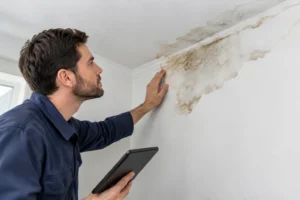
Moisture is one of the most common and costly concerns found during inspections. Stains on ceilings or walls, damp materials, musty odors, or active leakage around windows, roofs, plumbing fixtures, or below-grade areas can point to ongoing water entry.
The reason this matters goes beyond cosmetic damage. Persistent moisture can damage finishes, framing materials, insulation, and indoor air quality. In some cases, the visible stain is only the symptom. The actual source may be above, behind, or below the area where damage appears.
2. Electrical safety issues
Electrical problems are among the most serious home inspection red flags because they can involve fire and shock hazards. Common examples include double-tapped breakers, overheated wiring, missing cover plates, improper splices, outdated panels with known performance concerns, and receptacles near water that lack proper protection.
Some electrical defects are inexpensive to correct. Others may indicate a system that has been modified over time without consistent workmanship. When multiple electrical concerns appear in one property, it is wise to treat that pattern seriously.
3. Roof wear that is beyond routine aging
Every roof ages, but certain signs suggest more than normal wear. Missing shingles, exposed fasteners, deteriorated flashing, sagging rooflines, repeated patchwork, and signs of leakage in the attic or ceilings deserve close review.
A roof issue can quickly become an interior issue if water begins entering the home. Replacement cost is often significant, so this is one finding that can affect negotiations, insurance questions, and near-term budgeting.
4. Foundation movement or cracking patterns
Minor cracking can be normal in some materials, but larger cracks, stair-step cracking in masonry, sloping floors, sticking doors and windows, and visible displacement can indicate movement that should not be ignored.
This is where experience matters. Not every crack means major failure, but not every crack is cosmetic either. The inspector’s role is to document what is observed, explain why it may matter, and recommend next steps when the signs point to a bigger concern.
5. HVAC systems with poor performance or deferred maintenance
Heating and cooling systems do not have to be brand new to function well, but they should operate safely and as intended. Red flags include systems that do not respond properly, unusual noises, rusted components, blocked condensate drainage, dirty filters that suggest long-term neglect, or evidence of leakage around equipment.
An older unit may still have useful life left. On the other hand, a newer system that has not been installed or maintained correctly can create problems much sooner than expected. Age matters, but condition matters more.
6. Plumbing leaks and drain issues
Visible leaks under sinks, corroded supply lines, low water pressure, slow drains, damaged shutoff valves, and water damage around fixtures all deserve attention. Plumbing issues often appear small at first and then become expensive once hidden damage is opened up.
A single leaking trap is usually manageable. A pattern of leaks, corrosion, poor drainage, and prior repairs in multiple areas suggests a broader maintenance problem. Buyers should look at both the immediate repair and the possibility of additional work after move-in.
7. Mold-like growth or conditions that support it
Inspectors are careful about how they describe microbial growth, but visible organic growth, persistent dampness, staining, and poor ventilation can all point to conditions that support mold development.
The bigger issue is often moisture control. If growth is present, the question is not just how to clean it. The question is why the area has stayed wet long enough for it to develop. Without correcting the source, surface treatment alone may not solve the problem.
8. Windows and doors that show movement, leakage, or failed seals
Windows and doors provide useful clues about a home’s overall condition. Failed insulated glass seals, damaged frames, water intrusion at openings, and units that do not open, close, or latch correctly can indicate installation issues, moisture problems, or movement in the building.
Individually, these may seem minor. Collectively, they can point to larger concerns related to water management, energy loss, and deferred maintenance. They also affect comfort and long-term durability.
9. Attic problems that signal ventilation or moisture concerns
The attic often tells the story of how a home has been performing over time. Inadequate ventilation, compressed or missing insulation, staining on roof sheathing, rusted fasteners, and evidence of prior leaks are all worth noting.
Because many buyers rarely enter the attic before an inspection, these findings can come as a surprise. They also tend to connect with other issues, such as roof wear, bathroom exhaust discharge problems, or seasonal condensation.
10. Signs of amateur repairs
Fresh paint can hide a lot, and so can improvised repairs. Uneven flooring transitions, patched-over staining, mismatched materials, unsupported fixtures, exposed wiring, and makeshift plumbing modifications often raise questions about what was repaired, why it was needed, and whether the work was done correctly.
This does not mean every DIY repair is unsafe. It does mean undocumented or poorly executed work should be evaluated carefully. When workmanship appears inconsistent, buyers and sellers alike benefit from clear documentation and realistic expectations.
Why home inspection red flags matter differently for buyers and sellers
For buyers, red flags affect leverage, timing, and risk tolerance. A defect may be acceptable if the price reflects it, the repair is straightforward, and the rest of the home is sound. The same defect may be a reason to pause if it appears alongside multiple unresolved issues or if the repair timeline could delay occupancy.
For sellers, red flags often influence trust more than cost alone. Buyers get nervous when they see preventable issues that suggest ongoing neglect. Addressing obvious defects before listing can reduce friction, support smoother negotiations, and help the home present as well maintained.
What to do when a report identifies major concerns
The first step is not to panic. A good inspection report should explain the condition in plain language, include visual documentation, and separate observations from recommendations. That clarity matters because not every alarming-sounding issue leads to a major repair bill.
Next, look for patterns. Is the concern isolated, or does it connect to other findings in the same area? For example, a roof leak, attic staining, and damaged ceiling finishes tell a more complete story together than any one item alone.
Then focus on decision-making, not just defect-counting. Ask what needs immediate attention, what can be planned for later, and what may require additional evaluation before moving forward. This is where a meticulous inspection process becomes valuable. Firms such as Archer Professional Inspections help clients move from uncertainty to action by documenting conditions thoroughly and organizing findings in a way that supports real decisions.
The real value of finding red flags early
A home inspection is not about finding reasons to walk away from every imperfect property. It is about reducing blind spots. When major concerns are identified early, buyers can renegotiate, budget accurately, or decide the property no longer fits their risk level. Sellers can correct issues before they disrupt a deal. Homeowners can prioritize repairs before minor defects grow into costly damage.
The most useful inspection reports do more than point out defects. They help people understand what they are seeing, what it may lead to, and what to do next. That is what turns information into protection.
If a property raises questions, pay close attention to the warning signs that affect safety, moisture control, and core building performance. A clear picture now is almost always less expensive than a surprise later.