The first serious buyer who walks through your home will notice the dripping faucet, the missing handrail, and the stain on the ceiling you stopped seeing months ago. A smart pre listing home inspection checklist helps you catch those issues before they show up in a buyer’s report, affect negotiations, or delay closing.
For sellers, the goal is not to make a house look perfect. The goal is to understand its current condition well enough to price it realistically, decide what to repair, and disclose concerns with confidence. That is where a pre-listing inspection becomes useful. It turns guesswork into documented information and gives you time to respond on your terms.
Why a pre listing home inspection checklist matters
When sellers wait for the buyer’s inspection, they often lose control of the timeline. Problems are found late, repair requests arrive under pressure, and even minor defects can feel bigger because they appear during a critical stage of the transaction. A pre-listing review changes that sequence.
It gives you a clearer picture of the home’s major systems, visible safety concerns, moisture-related issues, and deferred maintenance. Just as important, it helps separate the items that truly need attention from the ones that are largely cosmetic. That distinction matters because not every issue should trigger a repair. Some are best handled with disclosure, a pricing adjustment, or supporting documentation.
An inspection before listing can also improve how your home is presented. If you know the roof is nearing the end of its service life, the air conditioning has been recently serviced, or a plumbing leak was repaired professionally, those facts can be communicated accurately. Buyers tend to respond better when the condition of the property is documented rather than vague.
Pre listing home inspection checklist: where to focus first
A useful checklist starts with the areas most likely to affect buyer confidence, financing, or repair negotiations. Sellers do not need to become inspectors, but they should look at the home the way an experienced professional would – system by system, not room by room.
Roof, drainage, and exterior surfaces
Start outside. Look for damaged or missing shingles, worn flashing, clogged gutters, and downspouts that discharge too close to the home. Check siding, trim, soffits, fascia, and exterior paint for visible deterioration. Walkways, steps, and driveways should also be reviewed for trip hazards or areas of significant cracking.
Drainage deserves special attention. Water that collects near the foundation, erodes soil, or flows back toward the home can lead to moisture problems and buyer concern. Even simple corrections, such as extending downspouts or cleaning gutters, can make a meaningful difference.
Windows, doors, and visible moisture concerns
Open and close windows and exterior doors. Sticking, damaged seals, failed glass panes, and missing screens are common issues. Around doors and windows, look for staining, soft materials, or gaps where water or air may be getting in.
Inside the home, pay attention to discoloration on ceilings, walls, and around baseboards. Not every stain means an active leak, but stains without explanation tend to raise immediate questions. If there has been a past issue, it helps to have records of the repair and confirmation that the source was corrected.
Plumbing fixtures and water-related issues
Run faucets, flush toilets, and look under sinks. Slow drains, leaks at supply lines, loose toilets, and worn caulking in baths and showers often appear on inspection reports. Water heater age, visible corrosion, and missing discharge piping can also become points of concern.
This is one area where small repairs can prevent outsized reactions. A minor drip may be inexpensive to fix, but if a buyer sees several small plumbing issues at once, they may assume maintenance has been inconsistent elsewhere too.
Electrical components and visible safety items
Test a representative sample of lights, switches, and receptacles. Make sure cover plates are in place and that obvious defects, such as exposed wiring or non-functioning fixtures, are addressed. Electrical panels should be accessible, clearly labeled where possible, and free of obvious signs of overheating or moisture.
Safety items matter here as well. Confirm that smoke alarms and carbon monoxide alarms are installed where required and appear functional. Missing or outdated life-safety devices are easy for buyers to notice and easy for sellers to correct before listing.
Heating and cooling performance
Operate the heating and cooling systems under normal conditions if weather allows. Replace dirty filters, clean around mechanical equipment, and note any unusual noise, odors, or weak airflow. If the system has been serviced recently, keep documentation available.
A pre-listing inspection is especially helpful when HVAC equipment is older. Age alone is not a defect, but buyers will want to know whether the system is performing as intended and whether maintenance appears current.
Attic, insulation, and ventilation
These areas are often overlooked by sellers and heavily scrutinized during inspection. In the attic, visible signs of past leaks, insufficient insulation, poor ventilation, or disconnected exhaust ducts can create concerns about moisture and energy performance.
You may not be able to evaluate every detail yourself, but even a basic check for staining, musty odors, and blocked ventilation paths is worthwhile. If access is limited or conditions are unclear, that is exactly where a professional inspection adds value.
What sellers should repair before listing
There is no universal answer because every home, market, and budget is different. The best candidates for repair are items that affect safety, function, or moisture control. These issues tend to carry the most weight in negotiations and are most likely to concern both buyers and lenders.
Cosmetic imperfections are more situational. Worn paint, a cracked tile, or an older but functioning appliance may not justify the cost of repair if the home is priced accordingly. On the other hand, a series of small visible defects can create the impression that larger unseen problems exist. That is the trade-off sellers have to consider.
A practical rule is this: if the item is inexpensive to correct, easy for a buyer to notice, and likely to appear in the report, it is often worth handling in advance. If the issue is larger and the return on repair is uncertain, you may be better served by getting professional documentation, disclosing clearly, and adjusting expectations accordingly.
Why a professional pre-listing inspection is different from a seller walkthrough
A seller checklist is useful, but it is not a substitute for a trained inspection. Most sellers know their home as occupants. Inspectors evaluate it as a system of components with predictable failure points, maintenance patterns, and risk indicators.
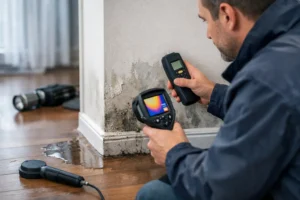
That outside perspective matters. A professional inspector can identify conditions that are easy to miss, especially in areas like moisture intrusion, roofing details, electrical concerns, or attic ventilation. Advanced tools such as thermal imaging and moisture detection can also reveal hidden issues that a visual walkthrough alone may not catch.
Equally important is the reporting. Clear documentation with photos and practical recommendations helps sellers decide what to repair now, what to monitor, and what to disclose. At Archer Professional Inspections, that emphasis on detailed findings and plain-language reporting is designed to support decisions, not just produce a list of defects.
How to use the inspection findings without overreacting
One of the biggest mistakes sellers make is treating every inspection item as equally urgent. They are not. Some findings are routine maintenance. Others are common age-related conditions. A smaller group deserves prompt action because it affects performance, safety, or buyer confidence.
The right response depends on cost, visibility, timing, and market conditions. In a competitive market, a seller may decide to disclose an older component and let the price reflect it. In a slower market, making that repair upfront may remove a reason for buyers to hesitate. The inspection gives you the information. Strategy still requires judgment.
It also helps to think beyond the repair itself. If work is completed, keep invoices and service records. Buyers are often reassured not simply by the fix, but by evidence that the work was handled professionally and recently.
A practical timeline before your home hits the market
Ideally, schedule a pre-listing inspection before photos, staging, and final pricing decisions. That gives you enough time to review findings, get contractor estimates if needed, complete selected repairs, and gather documentation.
If time is short, focus first on visible defects, moisture-related issues, active leaks, unsafe conditions, and anything that affects the home’s major systems. Those are the items most likely to reshape a buyer’s perception of the property.
A house does not need to be flawless to sell well. It needs to be understood. When sellers take the time to work through a pre listing home inspection checklist and back it up with a thorough professional evaluation, they put themselves in a stronger position to price accurately, answer questions clearly, and move through the transaction with fewer surprises.
Before you list, give yourself the advantage of knowing what the next inspection is likely to say.