A purchase contract is signed, the inspection window is short, and decisions start stacking up fast. In that moment, a 24 hour inspection report is not just a convenience. It is part of how buyers, sellers, investors, and property managers keep a transaction moving without losing sight of real building conditions.
Speed matters, but speed by itself is not the goal. A fast report only helps if it is also accurate, organized, and clear enough to support action. Whether the property is a single-family home in Missouri or a commercial asset under review anywhere in the country, the real value of a quick turnaround is better decision-making while timelines are still on your side.
What a 24 hour inspection report actually does
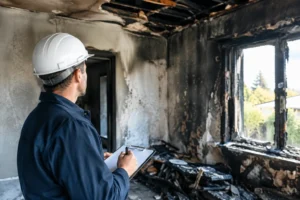
A quality inspection report turns on-site observations into usable information. It documents visible defects, signs of deferred maintenance, safety concerns, performance issues, and conditions that may need further evaluation. When that report arrives within 24 hours, clients can review findings while the inspection is still fresh and while contract deadlines, repair discussions, and budgeting decisions are still active.
For residential clients, that can mean understanding whether roof wear, electrical concerns, moisture intrusion, or foundation movement are minor maintenance items or issues serious enough to affect negotiations. For commercial clients, a fast report can help clarify repair liabilities, support due diligence, and identify conditions that may change operating costs or capital planning.
The timeline matters because real estate decisions rarely wait. Buyers often have limited time to respond. Sellers may need to address concerns quickly to keep a deal together. Investors and property managers may be coordinating lenders, contractors, attorneys, insurers, or internal stakeholders. A delayed report can create friction across that entire process.
Why fast reporting matters after an inspection
The best inspection is only as useful as the client’s ability to act on it. That is why a 24 hour inspection report carries real practical value.
First, it protects the decision window. Residential contracts often include inspection contingencies with firm deadlines. If the report comes in late, the client has less time to review findings, ask follow-up questions, obtain specialist opinions, or negotiate repairs and credits. Fast delivery preserves options.
Second, it reduces confusion. Property details are easier to understand when clients can connect report findings to what was discussed on-site. If an inspector pointed out elevated moisture levels, deteriorated sealants, unsafe wiring practices, or HVAC performance concerns, a prompt report helps the client revisit those observations with photos and written explanations before details start to blur.
Third, it supports coordination. In commercial settings especially, one report may be reviewed by acquisition teams, ownership groups, legal counsel, maintenance leads, and financial decision-makers. Getting the report quickly keeps those conversations moving.
That said, not every rapid report is a good report. If speed comes at the expense of documentation or careful analysis, clients can end up with a shorter timeline and weaker information. The right balance is fast turnaround with technical discipline.
What to expect in a strong 24 hour inspection report
Not all reports are built the same. A professional report should do more than list defects. It should help the client understand condition, significance, and likely next steps.
A strong report usually includes clear narratives, high-resolution photos, and a logical structure that separates major concerns from routine maintenance observations. That distinction matters. A buyer should not have to guess whether a note about worn weatherstripping belongs in the same category as active water intrusion, structural movement, or unsafe electrical conditions.
Good reporting also uses plain language. Technical credibility is essential, but clarity is what makes the report useful. The best reports explain what was observed, why it matters, and what type of response may be appropriate. Sometimes that response is simple repair. Sometimes it is monitoring. Sometimes it is further evaluation by a licensed specialist. Those differences are important.
For more complex inspections, advanced tools may also shape the quality of the report. Thermal imaging can help identify temperature anomalies that suggest missing insulation, overheating components, or hidden moisture patterns. Moisture detection tools can support more precise documentation when leaks or water damage are suspected. These methods do not replace visual inspection, but they can improve the depth and reliability of the final report.
24 hour inspection report for homebuyers and sellers
For homebuyers, the report often becomes the working document for one of the biggest financial decisions they will ever make. The main question is rarely, “Is this house perfect?” It is usually, “What am I really buying, and what will it cost me to address the problems?”
A timely report helps answer that before deadlines close in. Buyers can sort issues into categories: immediate safety concerns, material defects, maintenance items, and future planning concerns. That makes negotiation more focused and more reasonable.
For sellers, a fast report can also be useful. If concerns are identified early, there is more time to gather estimates, complete repairs, or respond with documentation. Delays tend to increase stress and reduce flexibility. Prompt reporting gives both sides a better chance to move forward on facts instead of assumptions.
Homeowners outside of a sale can benefit too. A 24 hour inspection report can support repair planning, annual maintenance prioritization, or investigation of specific concerns such as moisture intrusion, settlement cracks, roofing wear, or recurring HVAC issues.
Why commercial clients rely on fast, detailed reporting
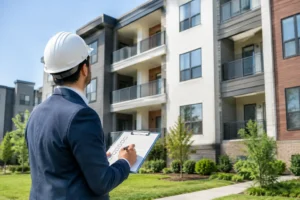
Commercial properties add another layer of complexity. The stakes are often higher, the systems are broader, and the decision-making group is larger. In that environment, a 24 hour inspection report can help keep due diligence on track while still providing the level of detail serious stakeholders expect.
For investors, timing affects acquisition strategy. For property managers, it affects budgeting and repair coordination. For lenders and ownership groups, it affects risk visibility. A slow report can hold up internal approvals or compress the time available to interpret findings.
But commercial reporting also requires judgment. A roof issue on a warehouse, drainage failure at a retail site, deferred maintenance in a multifamily asset, or signs of structural distress in an institutional building may carry different operational and financial implications. A useful report does not just identify problems. It frames them in a way that supports action.
This is where experience matters. A report should reflect not only what was seen, but what deserves immediate attention and what belongs in a longer-term capital plan. That distinction helps stakeholders avoid both underreacting and overspending.
How to judge the quality of a 24 hour inspection report
If you are comparing inspection providers, ask more than whether they can send a report quickly. Ask what the report includes and how findings are communicated.
A reliable provider should be able to explain the inspection scope, the reporting format, the level of photo documentation, and how major issues are highlighted. It is also reasonable to ask whether the inspector is available for questions after delivery. A report is most valuable when clients can discuss findings and clarify what matters most.
Look for a provider that combines thorough fieldwork with disciplined reporting. Fast turnaround should come from an organized process, not rushed judgment. That means careful note-taking, strong documentation practices, and a report format designed to make information easy to review.
For clients who need both technical depth and practical clarity, that combination is exactly what makes a report useful. Archer Professional Inspections builds its process around that standard, delivering detailed findings within 24 hours so clients can act with confidence instead of scrambling for answers.
The real advantage is better timing for better decisions
A 24 hour inspection report is not valuable because it is fast. It is valuable because property decisions are time-sensitive, and good information loses power when it arrives too late.
When reporting is prompt, accurate, and easy to understand, clients can negotiate with better footing, plan repairs more realistically, and move forward with fewer unknowns. That applies whether you are buying your first home, managing a portfolio, reviewing a commercial asset, or trying to understand the true condition of a building before the next step becomes expensive.
If an inspection is meant to reduce uncertainty, the report should do the same. The best time to get clear answers is while those answers can still change the outcome.