A commercial deal can look solid on paper and still hide six figures in deferred maintenance, water intrusion, or structural repair exposure. That is why a property condition report commercial real estate buyers rely on is not just another box to check during due diligence. It is a decision tool that helps investors, lenders, owners, and property managers understand what they are actually buying, inheriting, or operating.
In commercial real estate, the stakes are different from a typical home purchase. A minor roofing issue on a small office building can affect tenant comfort, insurance concerns, lease obligations, and capital planning all at once. HVAC deficiencies in a retail center are not just equipment problems – they can become occupancy risks and budget problems fast. A well-prepared report brings those issues into clear view before they become expensive surprises.
What a property condition report in commercial real estate actually does
A property condition report is a professional assessment of a building’s observable physical condition. In commercial real estate, it is typically used to support acquisitions, ownership decisions, lease planning, reserve studies, maintenance strategy, and risk management.
The key value is clarity. A strong report documents the present condition of major systems and components, identifies visible deficiencies, and explains which findings are routine, which require monitoring, and which deserve prompt action. For a buyer, that may shape negotiation strategy. For an owner, it may guide repair scheduling and capital budgeting. For an asset manager, it may support a more realistic hold strategy.
This is where many clients benefit from experience and reporting discipline. The best reports do not overwhelm decision-makers with raw observations. They organize findings into a format that helps people act.
What should be included in a commercial property condition report?
The scope depends on the property type, age, size, and client goals, but several categories are usually central. Site conditions matter first. Parking lots, sidewalks, drainage patterns, retaining walls, curbs, and exterior lighting often reveal both maintenance needs and safety concerns.
The building envelope is another major focus. Roofing, exterior walls, windows, doors, flashing, and visible signs of moisture intrusion can signal current defects or future repair liabilities. Water entry is especially important because it often affects multiple systems at once, including finishes, insulation, framing, and indoor air quality.
Interior conditions also deserve careful attention. Common areas, tenant spaces where accessible, restrooms, utility rooms, stairwells, and service areas can reveal wear patterns, operational problems, and evidence of deferred maintenance. Structural observations, when visible and within scope, may include framing concerns, settlement indicators, cracking, or deflection that warrant further review.
Mechanical, electrical, and plumbing systems are usually among the highest-cost components in the report. Inspectors look at observable conditions, apparent age, signs of improper installation, visible leaks, corrosion, and performance concerns. Life safety items may also be documented, such as emergency lighting, fire protection observations, and basic accessibility concerns, depending on the assignment.
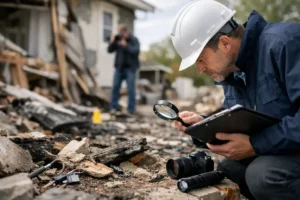
A high-quality report also includes photos, location-specific descriptions, and practical recommendations. That last part matters. If a report simply says a system is old, it is not especially useful. If it explains the apparent condition, likely implications, and whether repair, replacement, monitoring, or specialist evaluation is advisable, the client can make a better decision.
Why investors and lenders pay close attention
Commercial real estate decisions are rarely based on one issue alone. An investor might accept an aging roof if the pricing reflects it and the replacement timeline is manageable. The same investor may walk away if that roof problem is paired with drainage failures, recurring moisture intrusion, and outdated HVAC equipment nearing the end of service life.
That is why the report matters beyond simple defect identification. It helps quantify exposure. Not always to the dollar on its own, but enough to inform reserve assumptions, negotiation points, and further specialist review.
Lenders and institutional stakeholders also value consistency and documentation. A property may appear functional during a walk-through, but professional reporting creates a record of observed conditions at a specific point in time. That record can support underwriting, ownership planning, and internal risk discussions.
There is also a speed factor. In many transactions, due diligence windows are tight. Delayed reporting can compress decision time and create unnecessary pressure. Fast turnaround only helps if the report remains clear, complete, and usable.
The difference between a quick walk-through and a meaningful assessment
Not all inspections provide the same level of value. Some assessments are little more than a general site visit with broad comments. Others are methodical, photo-documented evaluations that give clients a clear picture of condition, maintenance posture, and likely near-term concerns.
The difference often comes down to process. A meaningful assessment is organized, system-based, and grounded in careful observation. It may also use tools such as thermal imaging or moisture detection when conditions warrant further investigation. Those tools do not replace inspector judgment, but they can help identify hidden concerns that a standard visual review might miss.
Experience also matters when findings need context. A crack in masonry may be cosmetic, or it may reflect movement worth monitoring. Roof wear may be age-appropriate, or it may indicate poor drainage and shortened service life. The client needs more than data points. They need informed interpretation in plain language.
Common issues a property condition report can uncover
Commercial buildings tend to reveal patterns rather than isolated defects. Deferred maintenance is one of the most common. Instead of one major failure, there may be a collection of smaller issues that signal weak maintenance practices over time.
Moisture-related problems are another frequent finding. Staining, damaged finishes, musty odors, failed sealants, and drainage issues often point to water intrusion that has not been fully addressed. In some cases, what looks minor on the surface can lead to much larger repair needs once invasive work begins.
Aging building systems are also a major concern, especially in older office, industrial, hospitality, and multifamily properties. Equipment may still be operating, but that does not mean it is reliable or budget-friendly. A report helps clients distinguish between systems that are serviceable and systems that are likely to demand capital soon.
Life safety and accessibility observations can affect operations, tenant satisfaction, and liability exposure. These may not always stop a deal, but they often affect immediate repair priorities.
When a report should lead to more investigation
A property condition report is highly useful, but it is not the same as destructive testing, engineering design analysis, or specialty environmental consulting. That distinction matters.
If an inspection reveals structural movement indicators, chronic water intrusion, significant facade concerns, or signs of system failure, a more specialized follow-up may be the right next step. The report should help identify those thresholds clearly. Good reporting does not pretend every issue can be resolved in one visit. It tells the client where the visible evidence ends and where deeper investigation may be necessary.
That is especially important in larger or more complex properties. A warehouse with roof leaks and slab movement presents different risk questions than a small retail building with finish wear and aging rooftop units. The right next step depends on severity, timing, intended ownership strategy, and tolerance for repair risk.
Choosing the right inspection partner
For commercial clients, technical depth and report usability should carry equal weight. A report can be very detailed and still fail if the findings are disorganized or hard to interpret. On the other hand, a clean-looking summary without enough field documentation may leave too many unanswered questions.
Look for an inspection firm that understands transaction timelines, communicates clearly, and documents findings with precision. Strong visual support, organized narratives, practical recommendations, and dependable turnaround all matter. So does the ability to adapt the scope to the asset and the client’s objectives.
That is the standard Archer Professional Inspections aims to meet. For commercial stakeholders, the goal is not just to identify defects. It is to provide reliable, decision-ready reporting that supports acquisitions, maintenance planning, and long-term asset protection.
A property can lease well, appraise well, and still carry physical risks that deserve a closer look. The right report gives you the facts in time to do something useful with them, which is often the difference between a confident decision and an expensive lesson after closing.