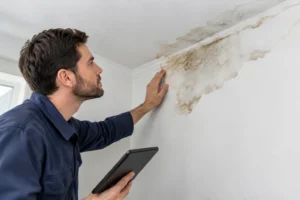
A ceiling stain may be old, active, or simply cosmetic. An outlet may look normal while operating warmer than surrounding components. Insulation gaps can be hidden behind finished walls. A thermal imaging inspection guide helps property owners understand how infrared technology can identify these differences before they become expensive surprises.
Thermal imaging does not see through walls or diagnose every defect on its own. It records surface-temperature patterns, which can point an experienced inspector toward moisture, air leakage, electrical concerns, insulation deficiencies, and other conditions that deserve closer evaluation. Used with visual observations, moisture testing, and sound professional judgment, it adds valuable evidence to a property assessment.
What Thermal Imaging Actually Measures
A thermal camera converts infrared energy from a surface into a visible image. Warmer and cooler areas appear as contrasting colors or shades, allowing an inspector to see temperature variations that may not be apparent under normal lighting.
That distinction matters. The camera does not show water inside a wall, a failed component, or the exact cause of a temperature difference. It shows a pattern. A cooler area beneath a roofline, for example, may be related to moisture evaporation, missing insulation, air movement, or outdoor temperature effects. The next step is confirming what the pattern means.
This is why a thermal image without context can be misleading. Accurate interpretation depends on the building materials, weather, heating or cooling operation, recent sun exposure, occupancy, and the inspector’s understanding of how buildings perform. A dependable inspection process treats thermal imaging as a diagnostic tool, not a shortcut to a conclusion.
When a Thermal Imaging Inspection Adds Value
Infrared scanning is especially useful when a property decision depends on information that cannot be confirmed through a visual review alone. For buyers, it can provide added perspective during a home inspection, particularly in areas with limited visibility. For homeowners and sellers, it can help prioritize maintenance or investigate a recurring concern before listing or making repairs.
In commercial settings, thermal imaging can support due diligence, maintenance planning, and investigation of reported conditions. Larger buildings often contain broad roof areas, extensive electrical systems, mechanical equipment, and concealed finishes where early identification of unusual temperature patterns can help focus further evaluation.
Common areas that may benefit from thermal scanning include:
- Exterior walls, ceilings, and attic areas for insulation gaps, air leakage, or moisture-related patterns
- Plumbing-adjacent walls and ceilings where an active leak may produce a temperature difference
- Electrical panels, breakers, receptacles, and accessible connections that may show abnormal heat
- Roof and ceiling areas where water intrusion is suspected
- Heating and cooling components where temperature readings can help assess operation
The value is not in generating dramatic images. It is in finding the right questions early enough to make a better repair, negotiation, maintenance, or risk-management decision.
Conditions That Affect Thermal Results
Thermal imaging works best when there is a meaningful temperature difference between the interior and exterior of a building. During cooling season, the indoor environment may be cooler than the outdoors. During heating season, it is often warmer. That contrast can make insulation and air-leakage patterns easier to recognize.
Weather can limit what an inspector can see. Heavy rain, direct sunlight, strong wind, recent changes in HVAC operation, or an unusually mild day can affect surface temperatures. A sun-warmed wall may appear hotter because of solar exposure rather than an issue within the wall. Similarly, a recently used shower or appliance may create normal temperature variations nearby.
Timing also matters for electrical observations. A panel with little or no load may not reveal the same heat pattern it would under normal operation. Commercial electrical surveys often require coordination so equipment is operating under a representative load. In residential work, an inspector can document accessible conditions at the time of the inspection, but cannot create or guarantee every operating scenario.
A careful report should explain these limitations. Clear documentation protects against overstatement and gives the client a realistic understanding of what was observed and what may require follow-up.
How Inspectors Confirm a Thermal Finding
A temperature anomaly is the beginning of an investigation, not the final answer. An experienced inspector first compares the area with nearby surfaces and considers whether the pattern matches the building layout, expected system operation, and current weather conditions.
If moisture is a concern, a moisture meter may be used on appropriate materials to help determine whether elevated moisture is present. The inspector may also review the area for staining, deteriorated finishes, plumbing fixtures above or nearby, roof penetrations, drainage concerns, or other visible clues.
For electrical concerns, the inspector considers the component’s condition, the heat pattern, accessibility, and whether the temperature appears unusual compared with similar components. Recommendations may include evaluation by a qualified electrician, particularly when overheating, damage, or safety concerns are observed.
This confirmation process is essential because similar thermal patterns can have different causes. A cold vertical line on a wall might indicate an insulation gap, a framing member, an air leak, or a normal material transition. The goal is not to label every color difference as a defect. The goal is to distinguish ordinary conditions from evidence that warrants action.
What to Expect in a Thermal Imaging Inspection Report
Useful reporting connects the image to the decision you need to make. A high-quality report should include clear photographs, thermal images when they support the finding, the location of the observed condition, and a plain-language explanation of why it matters.
It should also identify the recommended next step. Depending on the condition, that may mean monitoring an area, repairing a known source of water entry, improving insulation, or obtaining evaluation from an appropriately qualified contractor. For a buyer, the report can support focused questions during the inspection period. For an owner or property manager, it can help establish repair priorities and document conditions for maintenance records, insurance discussions, or other property matters.
The strongest reports avoid exaggerated claims. Saying that a thermal pattern is “consistent with possible moisture” is more accurate than declaring a hidden leak without confirmation. Precision is not vague language. It is the discipline to state what the evidence supports, what remains uncertain, and what should happen next.
Questions to Ask Before Scheduling
Not every inspection includes thermal imaging in the same way. Before scheduling, ask whether infrared scanning is included, which accessible areas are typically evaluated, and how findings are verified. It is also reasonable to ask about the inspector’s training, experience with moisture and electrical observations, and the format and timing of the report.
For a commercial property, clarify the scope in advance. A targeted scan of selected equipment or reported problem areas is different from a broader building assessment. Roof access, electrical safety requirements, operating loads, tenant coordination, and site conditions may all affect the scope and usefulness of the work.
For a home purchase, thermal imaging is most useful when it is part of a complete inspection rather than a stand-alone promise to find every hidden issue. Finished walls, furnishings, stored belongings, closed panels, and weather conditions can all limit visibility. A professional inspection identifies those limitations instead of pretending they do not exist.
Using Findings to Make a Clearer Decision
The right response depends on the severity and certainty of the finding. A confirmed active moisture condition generally calls for prompt source identification and repair. An insulation deficiency may be a maintenance or energy-efficiency consideration rather than an urgent concern. An unusual electrical heat pattern deserves timely attention because the potential consequences can be more significant.
Archer Professional Inspections uses advanced diagnostic methods to add clarity where a visual review alone may leave questions unanswered. The purpose is straightforward: provide documented observations and practical recommendations that help clients move forward with confidence.
A thermal image is most valuable when it leads to the right next question. Whether you are evaluating a home, planning commercial maintenance, or investigating a persistent concern, insist on evidence that is carefully interpreted, clearly reported, and tied to a practical path forward.