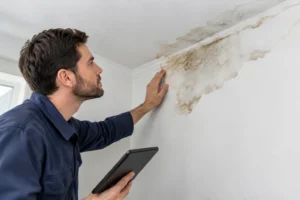
A property can look clean, staged, and move-in ready while carrying years of postponed repairs behind the paint. Learning how to spot deferred maintenance helps buyers, owners, investors, and property managers distinguish a manageable repair list from a building that has been allowed to decline over time.
Deferred maintenance is not simply an older roof, a worn appliance, or a few cosmetic flaws. It is a pattern: needed service, replacement, or repair was delayed until deterioration spread, performance dropped, or a smaller defect created a larger one. Finding that pattern early gives you the information needed to negotiate, plan capital expenses, or decide whether the property fits your risk tolerance.
What Deferred Maintenance Looks Like in Practice
Every property ages. A well-maintained 30-year-old building may be a better investment than a newer one with neglected systems. The concern is not age alone. The concern is whether normal upkeep has been consistently postponed.
For example, a roof near the end of its expected service life is not automatically deferred maintenance if it has been monitored, repaired as needed, and budgeted for replacement. A roof with recurring leaks, damaged flashing, stained ceilings, and no repair history is different. The visible stain may be minor, but it can indicate a longer-running moisture issue.
The same principle applies throughout a property. One worn component may be routine. Multiple systems showing overdue service, temporary repairs, active damage, or incomplete work often point to a broader maintenance problem.
How to Spot Deferred Maintenance During a Walk-Through
A buyer or investor does not need to diagnose every defect during an initial visit. The goal is to notice inconsistencies and ask better questions before making a final decision.
Start outside. Look for peeling paint, open gaps at trim, deteriorated sealant around windows and doors, damaged gutters, and downspouts that discharge too close to the foundation. These conditions can allow water to reach places it should not. Also watch for uneven settlement of exterior walks, poorly maintained retaining areas, deteriorated masonry joints, or vegetation growing against the building.
Inside, look beyond the finishes. Fresh paint in one isolated area can be a routine update, but it deserves a closer look when paired with staining, a musty odor, soft drywall, warped flooring, or visible patchwork. Pay attention to cabinet bases below sinks, ceilings below bathrooms, window sills, utility rooms, and areas around mechanical equipment. These are common locations for evidence of prior or ongoing moisture exposure.
In commercial properties, inspect accessible common areas, stairwells, electrical and mechanical rooms, roofs, parking surfaces, loading areas, and tenant improvement transitions. Deferred maintenance is often most visible in spaces visitors do not regularly see. A polished lobby does not confirm that the rest of the building has received the same level of care.
Warning Signs That Deserve a Closer Look
Individual items may have simple explanations, but the following conditions should prompt further evaluation:
- Repeated patches, mismatched materials, or repairs that appear unfinished
- Active leaks, water staining, corrosion, mold-like growth, or persistent musty odors
- Inoperable windows, doors, fixtures, outlets, fans, or safety devices
- HVAC equipment that is excessively dirty, noisy, poorly drained, or missing service documentation
- Electrical panels with missing covers, unmarked circuits, exposed wiring, or evidence of overheating
- Plumbing leaks, slow drainage, water damage below fixtures, or aged supply connections
- Roof wear, clogged drainage components, damaged flashing, or interior staining near exterior walls and ceilings
- Cracked pavement, trip hazards, failing caulk joints, and neglected exterior coatings
The key is to evaluate the pattern, not just the count. A building with five small concerns in unrelated areas may only need routine upkeep. A building with visible moisture damage, aging equipment, neglected drainage, and incomplete repairs may require a significantly larger repair budget than its appearance suggests.
Review Maintenance Records, Not Just Seller Statements
Maintenance documentation can be one of the clearest indicators of how a property has been managed. Ask for invoices, service agreements, warranties, replacement dates, repair logs, and any available capital planning records. For commercial assets, request work orders, maintenance contracts, roof reports, HVAC service histories, and records of prior water intrusion or insurance claims when available.
A lack of records does not prove neglect. Homeowners and smaller property owners do not always keep organized files. Still, missing documentation changes the level of uncertainty. If an owner cannot establish when major systems were serviced or replaced, assume additional investigation may be needed.
Be cautious with broad statements such as “everything works,” “the roof was repaired,” or “the building has been maintained.” Ask what was done, when it was done, who performed the work, and whether the repair addressed the cause or only the visible symptom. A repaired ceiling does not confirm that the source of a leak was corrected.
Pay Attention to Water Management and Moisture Clues
Water is one of the most expensive forms of deferred maintenance because its effects can travel. A small roof leak, failed sealant joint, plumbing drip, or poor drainage condition can damage finishes, insulation, wood components, electrical equipment, and indoor air quality over time.
Look for staining that has been painted over, bubbling finishes, rusted fasteners, swollen trim, loose flooring, damp odors, and discoloration around vents or ceiling fixtures. Outside, check whether gutters are clean and securely attached, downspouts direct water away from the building, and grading appears to move surface water away from exterior walls.
Some moisture conditions are hidden. Thermal imaging and moisture detection can help identify temperature differences and elevated moisture levels that are not obvious during a visual review. These tools do not replace a full inspection or confirm every cause on their own, but they can direct attention to areas that warrant further investigation.
Evaluate Major Systems as a Group
Deferred maintenance often becomes clear when you compare the condition of several major systems. Consider the age, observed condition, service history, and remaining useful life of roofing, heating and cooling equipment, electrical components, plumbing, windows, exterior finishes, and drainage systems.
If several components are near or beyond their typical service life, the property may still be viable. The financial question is whether the purchase price, reserves, or operating plan accounts for the work ahead. This is particularly important for investors and commercial buyers, where replacement timing can affect cash flow, tenant operations, and financing decisions.
Avoid relying on age alone. Properly maintained equipment can sometimes perform well beyond a typical lifecycle, while newer equipment can fail prematurely when installation, drainage, ventilation, or service practices are poor. A careful inspection assesses present condition and visible evidence of maintenance rather than making assumptions from a manufacture date.
Distinguish Cosmetic Updates From Real Maintenance
Cosmetic improvements can add value, but they should not distract from core condition issues. New flooring, countertops, fixtures, and paint may make a property more appealing without addressing water intrusion, aging mechanical equipment, electrical deficiencies, or exterior deterioration.
During due diligence, ask whether updates included the systems behind the finishes. If a bathroom was remodeled, were supply lines, shutoffs, exhaust ventilation, and surrounding moisture conditions evaluated? If a commercial suite was renovated, were affected electrical, plumbing, and HVAC components properly addressed? A high-quality renovation usually has documentation, permits when required, and a consistent level of workmanship.
Poorly executed repairs are also informative. Excessive caulk, visible patching, loose fixtures, makeshift supports, and unprofessional wiring may indicate that maintenance was handled reactively rather than planned and completed correctly.
Use a Professional Inspection to Turn Clues Into Decisions
A thorough professional inspection does more than produce a list of defects. It organizes findings by condition, urgency, likely consequence, and recommended next steps. That clarity matters when a property has multiple concerns competing for attention.
For a residential purchase, the findings can support repair requests, price discussions, contingency decisions, or a realistic first-year maintenance plan. For commercial properties, a detailed property condition assessment can help decision-makers forecast capital needs, prioritize repairs, and document conditions for acquisitions, operations, insurance matters, or lease planning.
Archer Professional Inspections uses detailed on-site evaluation, high-resolution visual documentation, and advanced diagnostic methods where conditions warrant them. The objective is not to create alarm over normal aging. It is to identify material conditions, explain what they mean in plain language, and provide evidence that supports an informed decision.
When Deferred Maintenance Changes the Deal
Not every deferred item should end a transaction. Some properties are priced appropriately for their condition, and experienced buyers may have the budget and team to address known work. The concern rises when the extent of needed repairs is unclear, water-related damage may be ongoing, major systems are overdue at the same time, or the seller cannot provide credible maintenance information.
Before proceeding, obtain qualified evaluations for specialized concerns and build a repair budget with contingency funds. For commercial acquisitions, consider how the work could affect occupancy, operations, accessibility, and future capital planning. A lower purchase price may not offset a repair program that disrupts revenue or creates immediate safety concerns.
A well-documented inspection gives you something more useful than a vague feeling that a property has been neglected: a clear basis for deciding what to investigate, what to budget, and what to address first. That is the kind of information that protects a property decision long after closing.