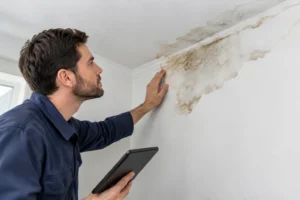
A wall can look perfectly dry and still be hiding active moisture. An electrical panel can appear normal at a glance while one connection is running hotter than it should. That is where thermal imaging building inspection adds real value. It gives property owners, buyers, investors, and managers a way to see temperature patterns that often point to problems still invisible to the naked eye.
For high-stakes property decisions, that matters. A standard visual inspection remains the foundation of a sound evaluation, but some defects do not announce themselves with stains, cracks, or obvious failure. Infrared technology helps an inspector identify areas that deserve closer testing, documentation, and practical recommendations.
What thermal imaging building inspection actually does
A thermal camera detects surface temperature differences and converts them into a visual image. Warmer and cooler areas appear as different colors or shades, allowing the inspector to spot anomalies across walls, ceilings, floors, roofs, mechanical components, and electrical systems.
That does not mean the camera sees through walls or diagnoses a problem by itself. It shows patterns. Those patterns then have to be interpreted in context, using building science, field experience, moisture verification tools, and direct observation.
This distinction is important because infrared is a precision tool, not a shortcut. Used correctly, it can help locate hidden moisture intrusion, missing or disturbed insulation, air leakage, overheating electrical components, and HVAC performance concerns. Used casually, it can produce images that look dramatic but mean very little.
Where thermal imaging building inspection is most useful
In residential properties, infrared imaging is especially helpful when a buyer wants a clearer picture of hidden conditions before closing. It can reveal cooler areas around windows and doors where air leakage is occurring, irregular ceiling patterns that suggest moisture activity, or insulation gaps that may be affecting comfort and efficiency.
For homeowners, the value often comes after move-in. Rooms that are hard to heat or cool, unexplained musty odors, recurring ceiling stains, and elevated utility bills all benefit from a more targeted inspection approach. Thermal imaging can help narrow the search so repairs are based on evidence instead of guesswork.
In commercial buildings, the applications are broader. Large roof areas, electrical distribution equipment, wall assemblies, and HVAC systems can all show thermal anomalies that support maintenance planning, due diligence, or risk evaluation. For investors and property managers, this can mean identifying issues earlier, prioritizing repairs better, and documenting conditions more clearly.
What an infrared image can reveal
Moisture is one of the most common reasons clients request infrared evaluation. When water enters a building envelope, affected materials often cool differently than surrounding areas because of evaporation and changes in thermal behavior. That can create a pattern on the camera image that prompts the inspector to verify moisture with a meter or other tools.
Insulation issues also stand out well under the right conditions. Missing batt insulation, compressed insulation, or areas where outside air is entering can create noticeable temperature differences. In a house, that may explain why one bedroom is always uncomfortable. In a commercial property, it may point to avoidable energy loss across a much larger area.
Electrical concerns are another major use case. A breaker, fuse, conductor, or connection that is hotter than adjacent components may indicate overloading, resistance, imbalance, or a developing defect. Not every warm component is a problem, and not every problem is visible thermally, but infrared can help identify areas that warrant prompt attention.
HVAC performance can also be evaluated more effectively with thermal imaging. Supply registers, return paths, duct runs, and equipment components may show temperature patterns that suggest airflow restrictions, leakage, or uneven performance. Again, the image is not the final answer. It is a piece of evidence that helps direct the next step.
Why interpretation matters more than the camera
A high-quality thermal camera is useful, but the real value comes from the person holding it. Surface temperatures change for many reasons, including weather, sun exposure, occupancy, material type, recent equipment operation, and interior conditions. Two areas with the same color pattern can represent very different issues.
For example, a cool spot on a ceiling might indicate moisture intrusion, but it could also be caused by an air-conditioning register, thermal bridging, or recent shading. A warm breaker might be carrying a normal load at the time of inspection, or it might be signaling a more serious condition. The difference comes down to training, method, and verification.
That is why a careful inspection process matters. Reliable infrared findings are typically supported by direct visual review, moisture testing where appropriate, operational checks, and documented observations in plain language. Clients need more than interesting images. They need defensible findings and clear guidance on what to do next.
Limits and trade-offs clients should understand
Thermal imaging is powerful, but it has limits. It only detects temperature differences at the surface. If conditions are not favorable, a hidden issue may not produce a visible thermal pattern during the inspection window.
Weather can affect results. So can recent rain, HVAC operation, sunlight, occupancy, and the difference between indoor and outdoor temperatures. In some cases, the best time to perform infrared scanning is not the same as the most convenient time for a transaction or site visit.
It is also possible to find anomalies that require follow-up but do not turn into major repairs. That is not a failure of the process. It is part of good risk management. A thorough inspection should identify concerns early, even when the final outcome is relatively minor.
The other trade-off is scope. Thermal imaging strengthens an inspection, but it does not replace broader building evaluation. A sound assessment still depends on accessible conditions, component operation, maintenance history, and experienced reporting. Infrared works best as part of a complete process, not as a stand-alone promise to find everything.
What to expect from the inspection process
A professional thermal imaging building inspection should begin with the property context. The inspector considers the building type, age, occupancy, current concerns, and environmental conditions before using infrared equipment. That keeps the scan focused on meaningful risk areas instead of turning it into a generic sweep.
During the site visit, the inspector captures thermal images where temperature anomalies appear relevant, then compares those images with standard visual photos and field observations. If moisture is suspected, confirmation testing is often performed. If an electrical component appears abnormally warm, the finding is documented in relation to the observed conditions at that moment.
Reporting is where the value becomes practical. The best reports do not simply include colorful images. They explain what was observed, why it matters, how confident the interpretation is, and what action is recommended. For clients making purchase, repair, or maintenance decisions, that clarity is just as important as the technology itself.
Who benefits most from thermal imaging
Homebuyers benefit when they want fewer unknowns before committing to a property. Sellers benefit when they want to understand issues before listing or negotiation. Homeowners benefit when comfort, moisture, or energy concerns have no obvious source.
Commercial clients often see value on a larger scale. Investors can use infrared findings to support due diligence and repair budgeting. Property managers can use them to target maintenance. Facility decision-makers can use them to document conditions and reduce the chance that hidden issues become expensive disruptions.
This is one reason firms like Archer Professional Inspections integrate thermal imaging into a broader inspection strategy. Clients are not paying for technology for its own sake. They are paying for better information, clearer documentation, and more confident decisions.
If you are considering infrared as part of a property inspection, the key question is not whether thermal images look impressive. It is whether the inspection process turns those images into clear, verified, decision-ready insight. That is what helps protect a purchase, guide repairs, and bring hidden conditions into view before they become costly surprises.